


 SK Hynix Soars 13% in Nasdaq Debut After Record $26.5 Billion IPO
  OpenAI Executive Fidji Simo to Step Down Amid Health Challenges Ahead of IPO
  Yaskawa Electric Shares Slide as Weak Profit Overshadows Strong AI Demand
  DOJ Grand Jury Investigates UAW President Shawn Fain Ahead of Union Election
  Samsung to Launch First Yongin Chip Plant by 2029 as South Korea Speeds Up Semiconductor Hub
  Levi Strauss Raises 2026 Outlook After Q2 Earnings Beat, Shares Drop Despite Strong Results
  Mastercard Explores Sale of Majority Stake in UK Payments Firm Vocalink: Report
  SK Hynix Prices Record U.S. ADR Offering at $149 After $200 Billion Investor Demand
  Fast Retailing Raises Full-Year Forecast After Uniqlo Owner Beats Q3 Profit Estimates
  Paramount-Warner Bros. Discovery Merger Faces Lawsuit From 12 States
  SK Hynix Shares Drop After Strong Nasdaq Debut Despite $26 Billion ADR Listing
  Apple Sues OpenAI, Former Employees Over Alleged Trade Secret Theft
  Deutsche Bank Fined A$2 Million by ASIC Over OTC Derivatives Reporting Errors
  Nvidia Tightens AI Chip Sales in Asia With Stricter Customer Approval Process
  Genesis Minerals to Acquire Vault in A$5.6 Billion Deal After Regis Withdraws
  Elon Musk Says Anthropic Leads AI Race as Claude Models Challenge OpenAI
  Muji Owner Ryohin Keikaku Stock Soars After Raising Full-Year Earnings Forecast


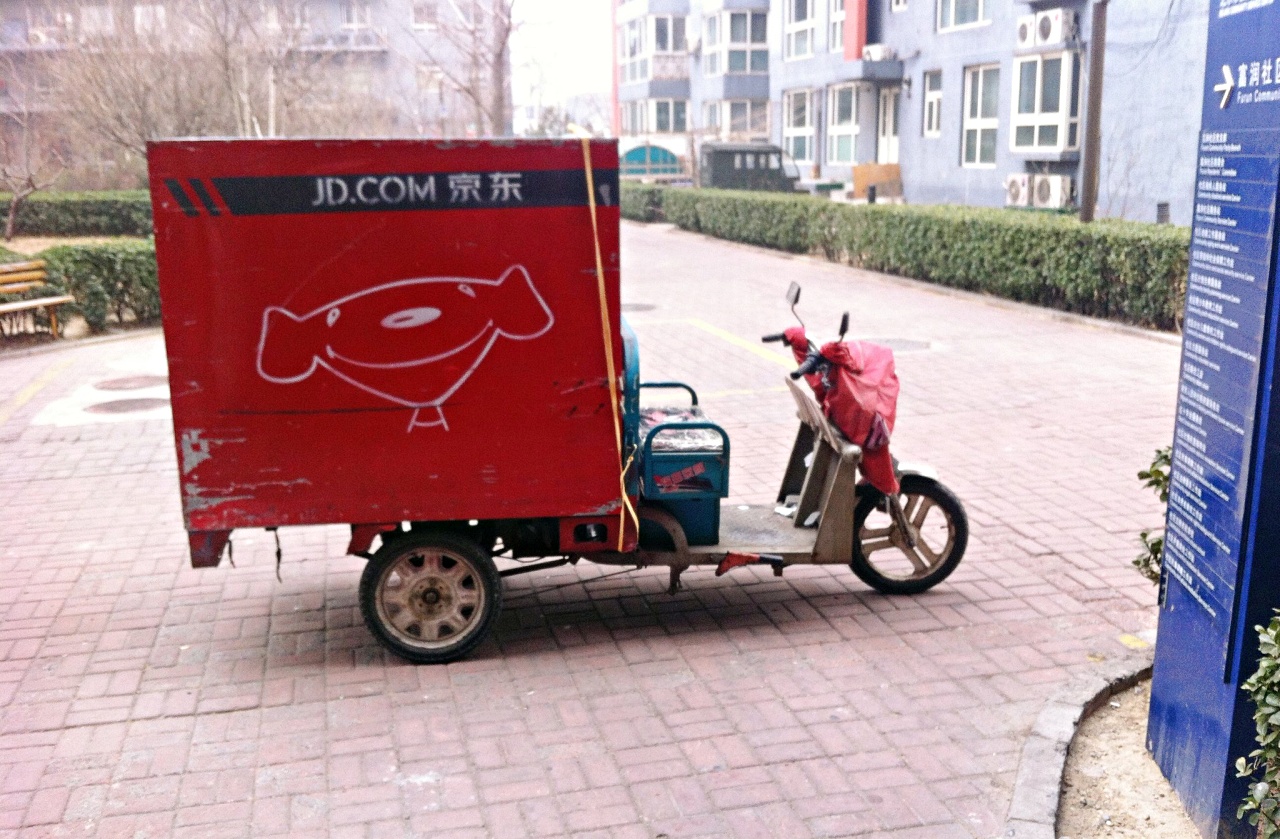
JD.com, one of China’s largest e-commerce companies, has announced a major investment of 22 billion yuan ($3.12 billion) to provide housing support for its courier workforce, highlighting the growing pressure on platforms competing in China’s fast-expanding instant retail market. The pledge was revealed through JD.com’s official WeChat account and comes shortly after a similar commitment from food delivery giant Meituan.
The move reflects intensifying competition among JD.com, Meituan, and Alibaba, which are locked in a fierce battle for dominance in instant retail, a segment focused on delivering goods within one hour. As consumer demand for faster delivery continues to grow, companies are spending billions of yuan on subsidies, discounts, and worker incentives to gain market share. While these strategies attract users, they have also squeezed profit margins and drawn closer attention from regulators.
Chinese authorities have recently summoned JD.com, Meituan, and Alibaba, urging them to curb excessive rivalry and return to what officials describe as “rational competition.” This intervention comes amid rising concerns over market stability and the welfare of delivery workers, who are increasingly bearing the brunt of the competitive pressure.
JD.com stated that it has already provided 28,000 housing units for front-line employees and plans to expand this number to 150,000 units over the next five years. The initiative aims to improve living conditions for couriers, who make up a significant portion of China’s estimated 12 million delivery workers. These couriers are a familiar sight in cities nationwide, navigating traffic on bikes while delivering everything from food and groceries to electronics.
Meituan has also stepped up its efforts, pledging 10 billion yuan over five years to enhance welfare for delivery riders. Its “Rider Apartments” program in major cities such as Beijing, Shenzhen, and Chongqing offers subsidized housing, with rents in some Beijing locations priced at roughly half the market rate.
The challenges faced by delivery workers have gained widespread public attention in China through films, books, and viral social media content. In response, platforms have begun improving social insurance coverage and adjusting incentive systems to reward on-time deliveries rather than punishing delays, signaling a gradual shift toward better protection for gig economy workers.







