


 Panama Defends Port Takeover Amid U.S.-China Tensions and Canal Dispute
  Lula Plans New Supreme Court Nomination After Historic Senate Rejection
  U.S. Flags Vietnam as “Priority Foreign Country” Over Intellectual Property Concerns
  Stock Market Update: Fed Holds Rates Steady as Tech Earnings and Geopolitical Tensions Shape Outlook
  Tokyo Inflation Slows Despite Energy Pressures and BOJ Policy Outlook
  U.S. Warns Allies Over Alleged Chinese AI IP Theft Linked to DeepSeek
  Taiwan Activates Backup Communications After Undersea Cable Break on Dongyin Island
  RFK Jr. Faces Scrutiny Over David Geier’s HHS Role and Vaccine Review Work
  US Stock Futures Mixed as Fed Holds Rates, Oil Prices Surge, and Big Tech Earnings Drive Market Moves
  Asian Stock Markets Rise Amid Wall Street Rally and U.S.-Iran Tensions
  US House Advances $70 Billion Immigration Enforcement Budget Plan
  Asian Stocks Slip as Oil Prices Surge and Fed Signals Inflation Risks
  China Factory Activity Extends Growth in April Despite Global Pressures
  Gold Prices Hold Steady as Iran War and Interest Rate Outlook Weigh on Markets
  China Manufacturing PMI Beats Forecasts in April Amid Weak Domestic Demand
  U.S. Sanctions Former DR Congo President Joseph Kabila Over Rebel Support


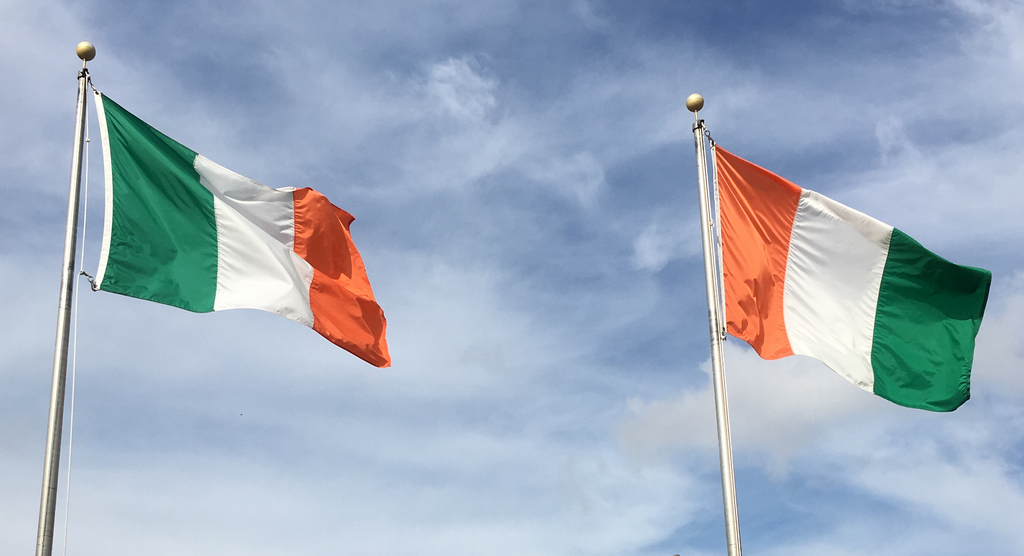
Ireland has clarified that its proposed legislation to curb trade with Israeli settlements in the occupied West Bank will apply strictly to goods, not services, according to a senior minister speaking to Reuters. The announcement offers the clearest indication yet of the scope of the controversial bill, which has drawn international attention and criticism, including accusations of antisemitism that the Irish government firmly rejects.
Thomas Byrne, Ireland’s Minister of State for European Affairs and Defence, said the legislation would prohibit the import of goods produced in illegally occupied territories and stressed that it is an “extremely limited measure.” He also confirmed that the bill will not become law this year, as the government continues to assess its legal and economic implications. Byrne noted that similar restrictions on settlement goods already exist in several European countries, positioning Ireland’s move within a broader European context.
The Irish government has faced strong domestic pressure to expand the ban to include services, particularly from lawmakers and activists who argue that excluding services weakens the law’s impact. However, expanding the scope could have affected multinational technology and financial firms operating in Ireland that do business with Israel, prompting resistance from business lobby groups and concern from U.S. companies with major operations in the country.
By limiting the ban to goods, the economic impact is expected to be minimal. Imports from Israeli settlements are estimated to be worth around €200,000 annually, largely consisting of agricultural products such as dried fruit. Sources previously indicated that the government intentionally narrowed the bill to avoid broader economic and diplomatic fallout.
The legislation comes amid heightened tensions over Ireland’s vocal criticism of Israel’s military campaign in Gaza and its recognition of a Palestinian state. Israeli officials and some U.S. politicians have accused Ireland of antisemitism, claims Byrne described as “nonsense,” emphasizing Ireland’s respect for Jewish history and contributions to Irish society.
Despite the government’s position, Frances Black, the Irish lawmaker who introduced the bill, said she will continue pushing in the new year to extend the ban to services. As Ireland navigates diplomatic pressure and internal debate, the bill is expected to influence how other European nations approach trade with Israeli settlements.







