


 Maria Corina Machado’s Return to Venezuela Faces U.S. Hesitation After Deadly Earthquakes
  Serbia President Aleksandar Vucic to Resign, Calls Early Elections After Months of Protests
  Australia Plans Higher Fines for Social Media Firms Failing to Block Underage Users
  Russian Attacks on Dnipro, Zaporizhzhia, and Kharkiv Kill 10 as Ukraine Vows Response
  Trump Questions Housing Bill as He Prioritizes SAVE America Act
  Mexico, U.S. Launch Sterile Fly Facility to Combat New World Screwworm Outbreak
  Russia Intensifies Assault on Kostiantynivka as Ukraine’s Donetsk Defense Faces Mounting Pressure
  Ukraine Strikes Russian Titan-Barrikady Plant With Long-Range FP-5 Flamingo Missile
  Andy Burnham Sets Out Vision to Decentralize Britain as Labour Leadership Race Begins
  Israeli Airstrike Kills Three in Central Gaza Despite Ceasefire
  Trump Announces September Overhaul of Washington’s East Potomac Golf Links
  Trump Urges Gasoline Retailers to Cut Prices to $2.50 Per Gallon, Warns of Legal Action
  US Strikes Iran Again After Strait of Hormuz Tanker Attack Escalates Ceasefire Tensions
  Despite its best efforts, Iran won’t be able to toll the Strait of Hormuz. Here’s why
  Trump Suspends Some Morocco Fertilizer Tariffs to Ease U.S. Supply Shortage
  Iran Launches Drone Attack on Bahrain After U.S. Strikes, Strait of Hormuz Tensions Escalate


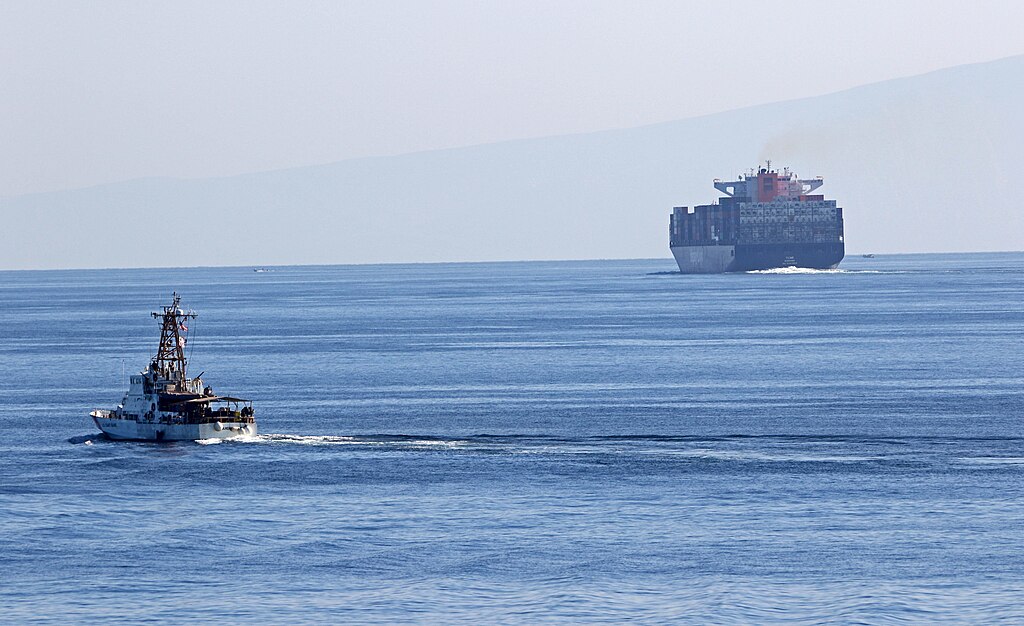
A major obstacle has surfaced in efforts to reopen the Strait of Hormuz after Iran admitted it can no longer locate or recover all of the naval mines it deployed in the critical waterway, according to a New York Times report confirmed by U.S. officials. The disclosure threatens to unravel President Trump's demand for a complete and immediate reopening of the strait as a condition for a two-week ceasefire agreement.
The Iranian Islamic Revolutionary Guards Corps reportedly used hundreds of small, hard-to-detect vessels to scatter mines across the strait following the outbreak of the conflict. U.S. intelligence indicates the operation was poorly coordinated, with many mine positions left undocumented. Making matters worse, a significant number of devices were deployed in ways that allowed them to drift from their original locations, rendering Tehran's previously published navigation charts unreliable and dangerous for commercial use.
Iranian Foreign Minister Abbas Araghchi publicly acknowledged these technical constraints earlier this week, suggesting that while Iran may be open to easing the blockade diplomatically, it simply lacks the specialized minesweeping equipment needed to certify safe passage. Global shipping companies are unlikely to resume normal operations through the channel — which carries roughly 15% of the world's oil supply — without a verified mine-free clearance.
The crisis is expected to take center stage when Vice President JD Vance leads a U.S. delegation to peace talks with Iranian negotiators in Pakistan. Analysts warn that neither side currently possesses the rapid mine-clearing capabilities needed for a swift resolution. As a result, energy markets should brace for sustained volatility, with any gradual reopening of the strait anticipated to stretch across several months and keep global supply chains on edge well into mid-2026.







