


 TrumpRx Website Launches to Offer Discounted Prescription Drugs for Cash-Paying Americans
  India–U.S. Interim Trade Pact Cuts Auto Tariffs but Leaves Tesla Out
  U.S. Announces Additional $6 Million in Humanitarian Aid to Cuba Amid Oil Sanctions and Fuel Shortages
  Trump Endorses Japan’s Sanae Takaichi Ahead of Crucial Election Amid Market and China Tensions
  Trump Allegedly Sought Airport, Penn Station Renaming in Exchange for Hudson River Tunnel Funding
  Nighttime Shelling Causes Serious Damage in Russia’s Belgorod Region Near Ukraine Border
  Ohio Man Indicted for Alleged Threat Against Vice President JD Vance, Faces Additional Federal Charges
  Trump Signs “America First Arms Transfer Strategy” to Prioritize U.S. Weapons Sales
  Trump Backs Nexstar–Tegna Merger Amid Shifting U.S. Media Landscape
  China Warns US Arms Sales to Taiwan Could Disrupt Trump’s Planned Visit
  US Pushes Ukraine-Russia Peace Talks Before Summer Amid Escalating Attacks
  U.S. Lawmakers to Review Unredacted Jeffrey Epstein DOJ Files Starting Monday
  Japan Election 2026: Sanae Takaichi Poised for Landslide Win Despite Record Snowfall
  Netanyahu to Meet Trump in Washington as Iran Nuclear Talks Intensify
  Pentagon Ends Military Education Programs With Harvard University
  Trump Signs Executive Order Threatening 25% Tariffs on Countries Trading With Iran
  Iran–U.S. Nuclear Talks in Oman Face Major Hurdles Amid Rising Regional Tensions


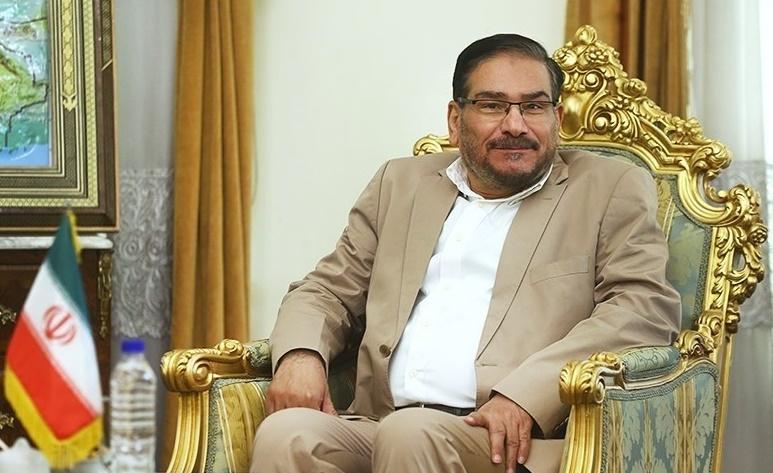
The top Iranian security official and a longtime ally of Supreme Leader Ali Khamenei was announced to be stepping down from the position after serving 10 years. The resignation follows the deal two months prior between Iran and Saudi Arabia to normalize relations and end a political rift.
Ali Shamkhani, the country’s top security official and an ally of Khamenei, would be stepping down as the secretary of Iran’s Supreme National Security Council after serving in the role for ten years, according to state media on Monday. Shamkhani stepped down two months after the signing of a China-brokered deal with Saudi Arabia, ending the political rift between the two countries. State television later reported that Khamenei had made Shamkhani his political adviser and that Revolutionary Guards commander, Ali Akhbar Ahmadian, would be succeeding Shamkhani as national security chief.
An Iranian insider said earlier that the change in leadership in the Supreme National Security Council would unlikely impact policies and that Shamkhani was being considered for a more important position.
Shamkhani was appointed to the Supreme National Security Council in 2013 and previously served as Iran’s defense minister under former Iranian President Mohammad Khatami from 1997 to 2005. Shamkhani also previously joined Iran’s Revolutionary Guards shortly after its formation in 1979 and was its deputy commander from 1981 to 1988.
Ahmadian served as the joint chief of staff of the Revolutionary Guards in the 2000s and became the leader of its strategic center.
Meanwhile, a report by the Associated Press found that a new Iranian atomic facility near its Natanz facility would likely be very deep underground for it to be destroyed by air strikes. Citing experts and satellite images, the report said Iran has been digging tunnels into a mountain near its Natanz nuclear site.
The report said the installation of this new facility is poised to complicate the efforts by the West to curb Iran’s nuclear program, which Tehran has long argued would be used for peaceful purposes. According to the director of the Washington-based Arms Control Association, Kelsey Davenport, completing such a facility “would be a nightmare scenario that risks igniting a new escalatory spiral.”
Photo: Mohammadali Marizad (Tasnim News Agency)/Wikimedia Commons(CC by 2.0)














.jpg)