


 Russian Attacks on Dnipro, Zaporizhzhia, and Kharkiv Kill 10 as Ukraine Vows Response
  US Strikes Iran Again After Strait of Hormuz Tanker Attack Escalates Ceasefire Tensions
  Israeli Airstrike Kills Three in Central Gaza Despite Ceasefire
  Central Banks Eye Gold, Reduce Dollar Exposure as AI Adoption Accelerates: OMFIF Survey
  Serbia Protests Continue as Thousands Rally Despite Vucic’s Resignation Plan
  Oil Prices Slip as U.S.-Iran Peace Talks and Strait of Hormuz Risks Keep Markets on Edge
  Yen Falls to 40-Year Low as Markets Watch Japan Intervention and U.S. Jobs Report
  Iran Skips U.S. Technical Talks Over Unmet MoU Conditions and Frozen Funds Dispute
  Ukraine Strikes Russian Titan-Barrikady Plant With Long-Range FP-5 Flamingo Missile
  Global Financial Firms Shift Asia Expansion Focus to South Korea as China, India Face Caution
  Javier Milei Cabinet Chief Manuel Adorni Resigns Amid Spending Scandal Investigation
  Economic pessimism has set in – but there are reasons for Australians to be hopeful
  Sheinbaum Says No One Is Above the Law After Abuse Video of Ex-Pemex Chief Emerges
  China Manufacturing PMI Edges Higher in June as Exports and AI Investment Boost Growth
  Gold Price Hits Annual Low as Fed Rate Hike Bets and Sticky Inflation Weigh on Bullion


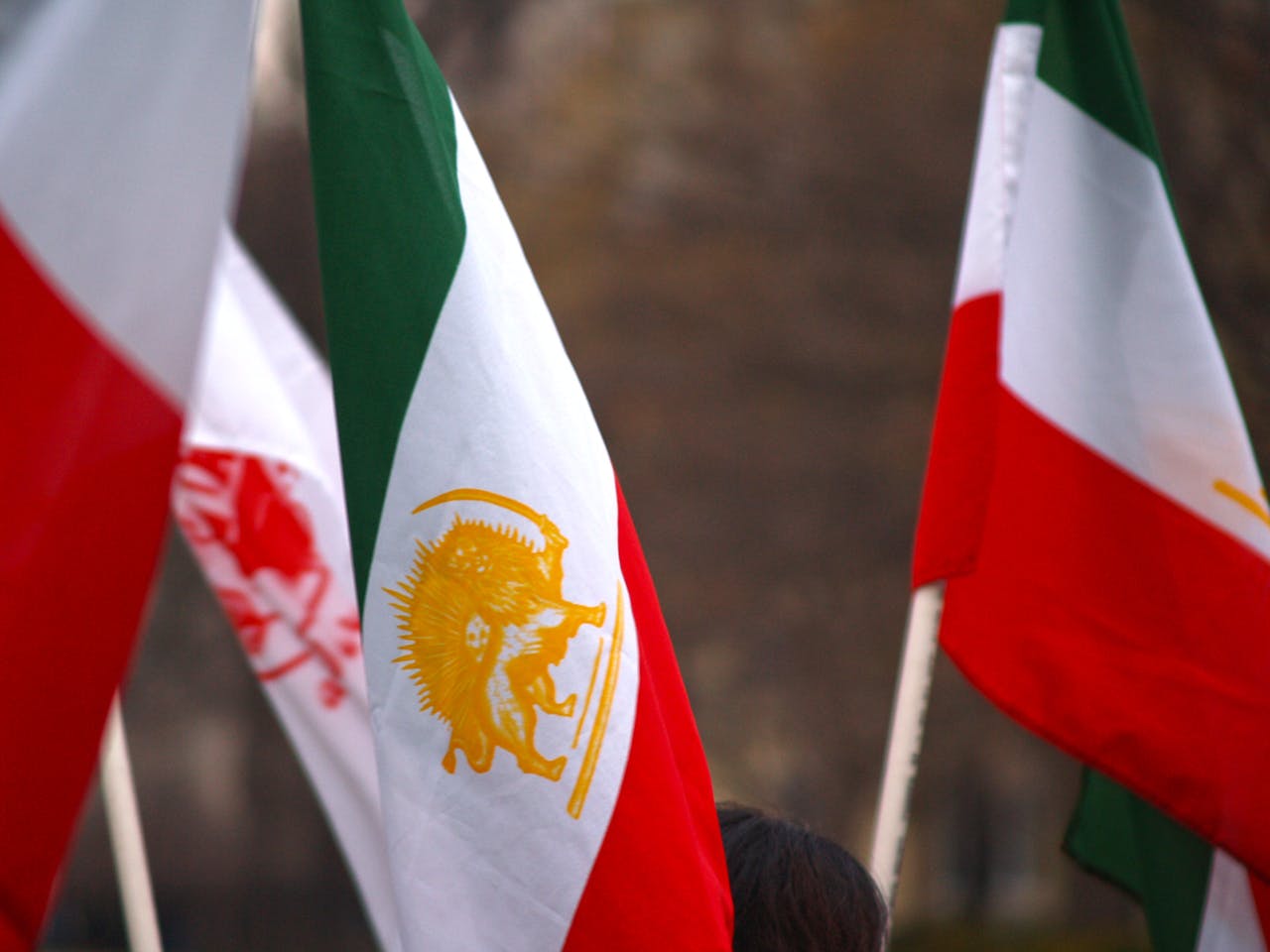
Iran’s Foreign Minister Seyed Araghchi has cautioned that escalating military actions will not resolve the ongoing Hormuz crisis, emphasizing instead the importance of diplomatic negotiations. In a recent statement, Araghchi noted that recent developments in the Strait of Hormuz highlight the absence of a military solution to what he described as a deeply political conflict.
Tensions in the strategic waterway intensified after the United States deployed forces to escort commercial vessels, aiming to secure global shipping routes. Iran responded with a series of actions, including the reported launch of cruise missiles, drones, and small boat operations targeting ships and infrastructure, including an oil port in the United Arab Emirates. These developments have heightened fears of a broader Iran-U.S. conflict and disrupted global energy markets.
The Strait of Hormuz remains a critical chokepoint, responsible for transporting nearly 20% of the world’s oil supply. Since late February, Iran has effectively restricted access to the channel, worsening supply concerns and contributing to volatility in oil prices. Despite recent spikes, crude prices dipped slightly after news emerged that diplomatic talks were progressing.
Araghchi confirmed that negotiations between Iran and the United States, facilitated by Pakistan, are “making progress.” While it remains unclear whether discussions are direct or conducted through intermediaries, the statement has sparked cautious optimism for de-escalation in the Middle East.
However, significant challenges persist. The United States has reportedly rejected Iran’s proposed 14-point peace plan, which aimed to reopen Hormuz and ease tensions. Additionally, disagreements over Iran’s nuclear program continue to strain relations between Washington and Tehran.
U.S. President Donald Trump reiterated a firm stance, warning of severe consequences if Iran targets American vessels. As geopolitical risks remain high, investors are closely monitoring the situation, particularly its impact on oil prices, stock markets, and global economic stability.







