


 Adobe CEO Shantanu Narayen Steps Down After 18 Years as Company Beats Q1 Earnings
  Global PC Market Faces 10% Decline in 2026 as AI PCs Surge
  Ulta Beauty Profit Forecast Misses Wall Street Expectations Amid Rising Costs
  Cuba-U.S. Talks Begin Amid Deepening Energy Crisis
  O'Hare Flight Cuts: Chicago Pushes Back as FAA Weighs Summer Limits
  Meta Faces Major Layoffs Amid $600B AI Infrastructure Push
  Trump Administration Launches Trade Investigations Against 16 Countries Over Industrial Overcapacity
  Microsoft Azure First to Validate NVIDIA's Vera Rubin NVL72, Signaling a New Era in AI Infrastructure
  USMCA Reaffirmed as Canada and Mexico Push Back Against U.S. Bilateral Trade Signals
  Venezuela Names Paula Henao as New Oil Minister Amid U.S.-Led Industry Overhaul
  Dollar Strengthens Amid Oil Price Surge and Inflation Fears
  Anduril's $20B Army Contract Signals Major Tailwind for Palantir
  Global EV Sales Slump in February as China Records Steepest Decline Since COVID-19
  Russian Stock Market Closes Flat as Energy and Fertilizer Stocks Lead Gains
  Rio Tinto Suspends Kennecott Mine Operations After Fatal Contractor Incident
  China Escalates BHP Iron Ore Ban Amid Contract Dispute


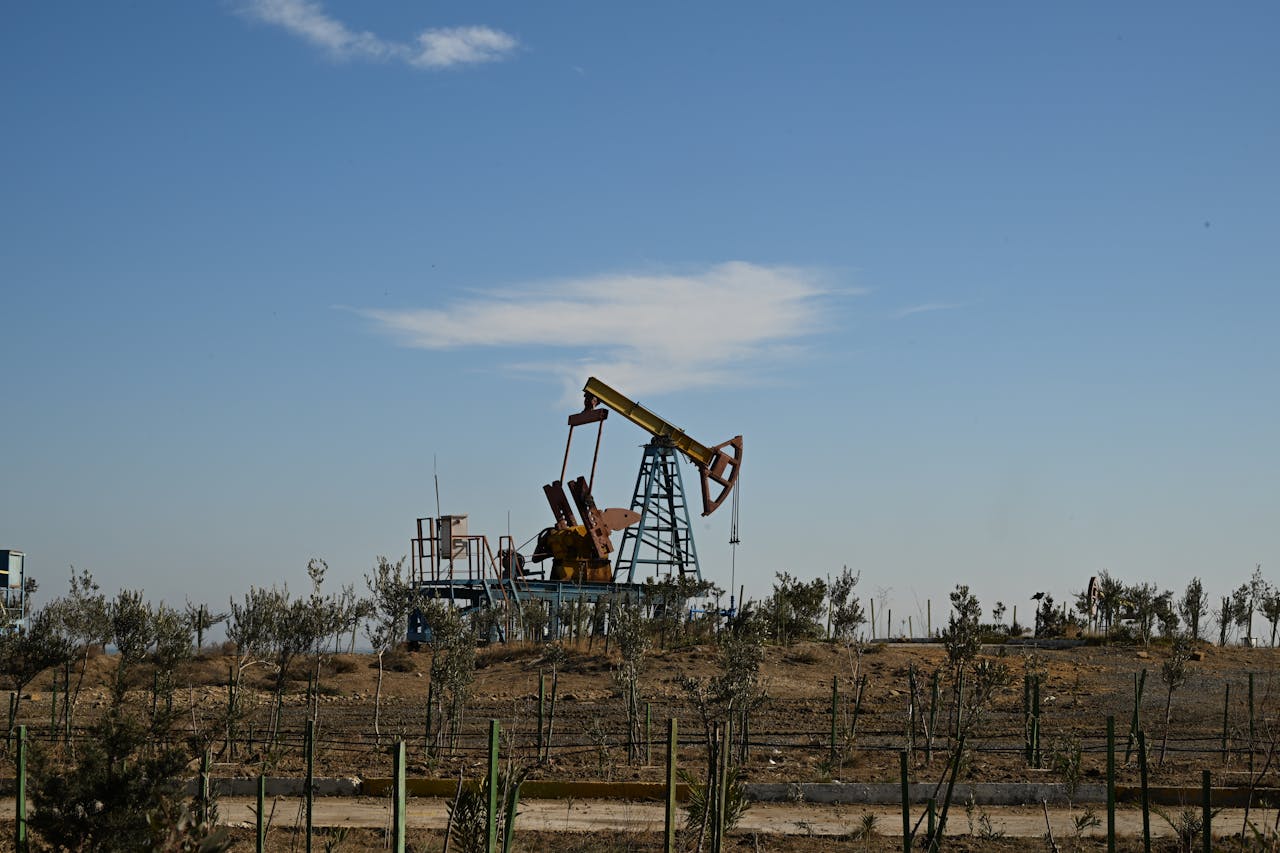
Crude oil prices surging past $100 per barrel amid escalating tensions in the Middle East are raising serious concerns about airline profitability, even as the broader commercial aerospace sector shows signs of resilience, according to Bernstein analysts.
Before the conflict erupted, oil markets were trending toward a supply surplus. That outlook has now reversed, with fears of a potential supply deficit growing — particularly if disruptions spread to the Strait of Hormuz, a vital artery for global energy trade. Jet fuel, already one of the heaviest cost burdens for carriers, has become even more expensive as refining margins spike alongside crude prices.
The core challenge is timing. When oil prices climb due to supply shocks rather than rising consumer demand, airlines typically cannot reprice tickets fast enough to protect their margins. That gap between rising costs and stagnant fare recovery is where profitability erodes.
Not all carriers face equal exposure. Network airlines, which allocate a smaller proportion of revenue to fuel than low-cost carriers, tend to weather oil shocks more effectively. Airlines with solid balance sheets, diversified income streams, and robust fuel hedging strategies for 2026 are better positioned to absorb near-term cost pressures. Carriers serving Asian routes may also gain a competitive edge if travelers reroute away from Middle Eastern transit hubs.
The aerospace manufacturing side looks more insulated. Airbus and Boeing both carry order backlogs spanning nearly a decade of production, making large-scale cancellations unlikely even if airline earnings weaken. The more vulnerable segment is aircraft maintenance and aftermarket services — airlines under financial strain tend to defer engine overhauls and cut fleet utilization, directly impacting supplier revenues.
Ultimately, the conflict's duration will determine the damage. A brief disruption may prove manageable, but a prolonged closure of key energy corridors could push fuel costs to levels that fundamentally reshape aviation economics.













