


 US, Iran Agree to Halt Attacks Ahead of Doha Talks on Strait of Hormuz
  Supreme Court Backs Lisa Cook, Defends Federal Reserve Independence Against Trump Firing Attempt
  Maria Corina Machado’s Return to Venezuela Faces U.S. Hesitation After Deadly Earthquakes
  Trump Suspends Some Morocco Fertilizer Tariffs to Ease U.S. Supply Shortage
  China Expands Export Controls, Adds 20 Japanese Companies to Restricted List
  Javier Milei Cabinet Chief Manuel Adorni Resigns Amid Spending Scandal Investigation
  Australia, Vanuatu Sign Security Pact Amid Pacific Influence Competition
  Trump Questions Housing Bill as He Prioritizes SAVE America Act
  Israeli Airstrike Kills Three in Central Gaza Despite Ceasefire
  Australia Plans Higher Fines for Social Media Firms Failing to Block Underage Users
  Serbia Protests Continue as Thousands Rally Despite Vucic’s Resignation Plan
  Sheinbaum Says No One Is Above the Law After Abuse Video of Ex-Pemex Chief Emerges
  Despite its best efforts, Iran won’t be able to toll the Strait of Hormuz. Here’s why
  Canada Grants C$7 Million to Greenland Molybdenum Mine to Strengthen Critical Minerals Supply
  Ukraine Strikes Russian Titan-Barrikady Plant With Long-Range FP-5 Flamingo Missile
  Taiwan Coast Guard Officer Finds Strength in Faith as China Increases Pressure in Taiwan Strait
  US Strikes Iran Again After Strait of Hormuz Tanker Attack Escalates Ceasefire Tensions


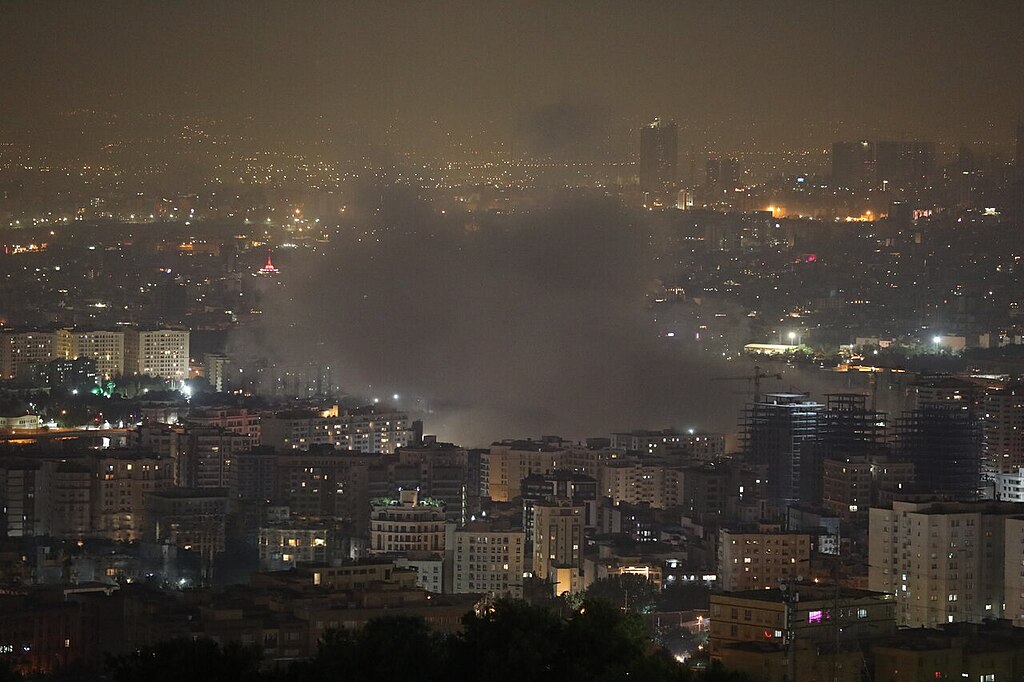
Tensions in the Middle East reached a critical flashpoint as Iran and Israel continued exchanging strikes, with Tehran firmly rejecting a U.S.-brokered ceasefire proposal just hours before a deadline issued by President Donald Trump. The rejection has pushed the region — and global energy markets — to the brink.
Pakistan facilitated a peace proposal on behalf of Washington that called for an immediate halt to hostilities, the reopening of the Strait of Hormuz, and broader peace negotiations within 15 to 20 days. Iran countered with a 10-point response demanding regional conflict resolution, safe maritime passage protocols, the removal of international sanctions, and reconstruction commitments.
Trump responded with stark warnings, threatening to destroy Iranian power plants, bridges, and critical infrastructure by midnight EDT Wednesday if no agreement was reached. "The entire country can be taken out in one night," he declared, dismissing concerns about potential war crimes as unfounded.
Meanwhile, fighting continued without pause. Israeli forces carried out airstrikes on government infrastructure across Tehran and other Iranian cities while defending against incoming Iranian missile barrages. Saudi Arabia also intercepted ballistic missiles aimed at its eastern region, with debris landing near energy facilities. Public safety alerts were simultaneously issued by Saudi Arabia, the UAE, and Bahrain.
The ongoing conflict has sent oil prices surging to approximately $110 per barrel, driven largely by Iran's effective closure of the Strait of Hormuz — a waterway responsible for transporting roughly one-fifth of the world's oil and natural gas supply. Brent crude climbed to $110.19, while West Texas Intermediate reached $113.31.
The human cost continues to mount, with over 3,500 Iranian deaths reported and nearly 1,500 casualties in Lebanon. Thirteen U.S. service members have been killed since the conflict began on February 28, adding significant domestic pressure on the Trump administration as diplomatic efforts stall.







