


 Trump Announces New U.S. Oil Refinery in Texas with Indian Energy Giant Reliance
  After the Iran war, Persian Gulf nations face tough decisions on the US – a former diplomat explains
  Trump Hints at Possible U.S. Takeover of Cuba Amid Deepening Humanitarian Crisis
  Anthropic Sues Pentagon Over AI Blacklist, Citing Free Speech Violations
  Ukraine Strikes Russian Missile Component Factory in Bryansk Using British Weapons
  U.S. and Russia Hold Diplomatic Talks in Florida Amid Ongoing Tensions
  Iran's Government Remains Stable Despite U.S. and Israeli Strikes, Intelligence Shows
  Taiwan's MQ-9B SkyGuardian Drone Order Stays on Schedule Despite Middle East Conflict
  U.S. Patriot Missiles Redeployed From South Korea Amid Middle East Conflict
  Israel-Iran War: Herzog Urges Patience as U.S. and Israeli Strikes Intensify
  U.S. Senate Greenlights AI Chatbots for Official Staff Use
  Mexico's Electoral Reform Bill Fails in Congress as Coalition Fractures
  Bipartisan Housing Bill Advances in Senate, Aims to Tackle U.S. Affordability Crisis
  Trump Doubts Iran Mining Reports as Strait of Hormuz Tensions Escalate
  Japan's BOJ Independence Under Fire as PM Takaichi's Rate Stance Draws Political Heat
  Boeing Secures $289 Million Smart Bomb Contract With Israel
  U.S. Calls for Reassessment of International Aid to Taliban-Ruled Afghanistan


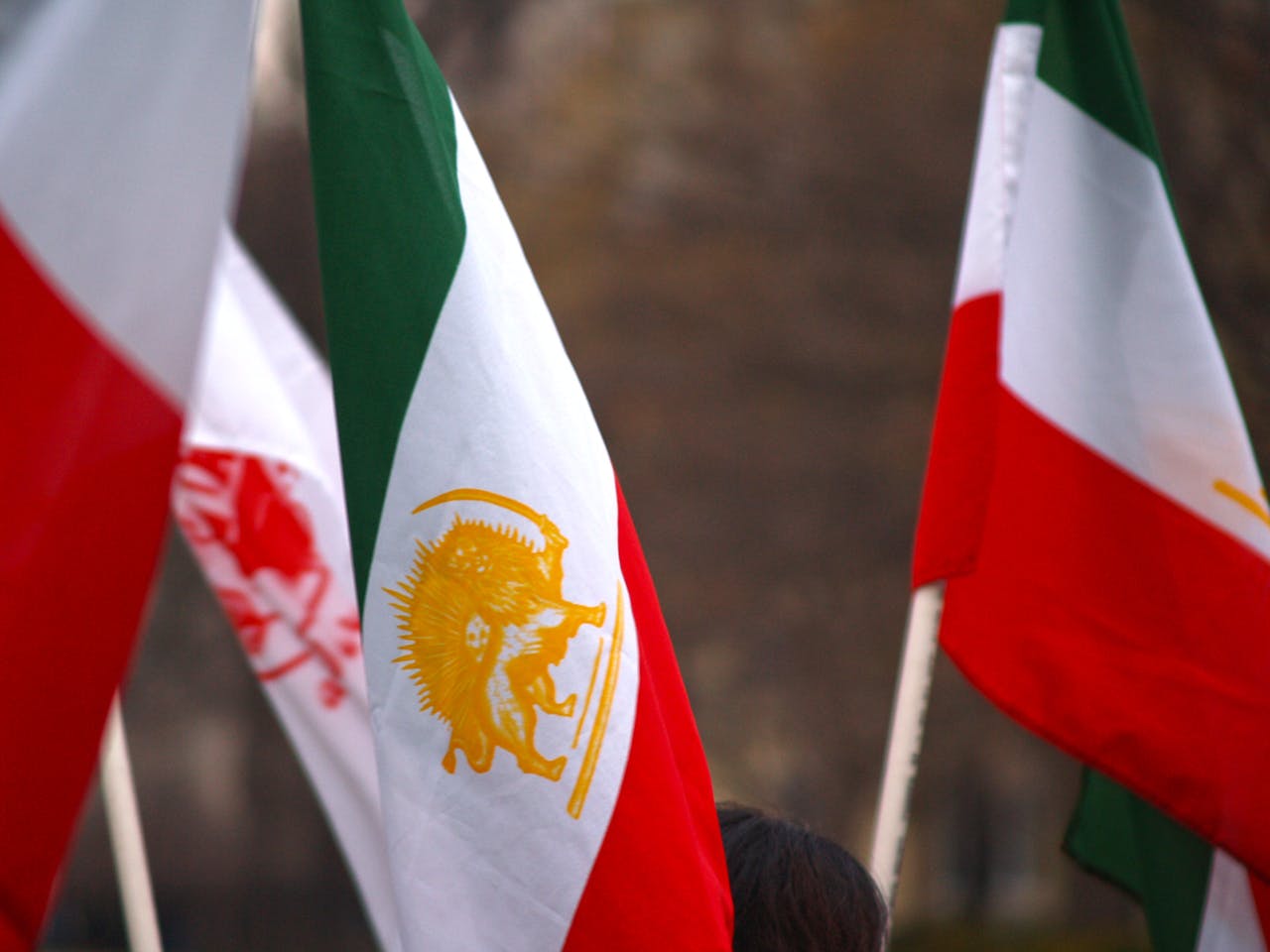
Iran is currently detaining at least six U.S. citizens or lawful permanent residents, according to detainee advocacy groups, sparking renewed concerns that Americans in Iran could be used as bargaining chips as tensions escalate between Tehran, Washington, and Israel. Experts warn that thousands of dual U.S.-Iranian nationals and green-card holders may still be in the country despite repeated U.S. travel advisories cautioning against the risk of arrest and wrongful detention.
Advocates say Iran has a long history of leveraging detained Americans for political negotiations. Ryan Fayhee of the Foley Foundation noted that any American in Iran could potentially be at risk. The situation has become more urgent following U.S. and Israeli military strikes that reportedly killed Supreme Leader Ali Khamenei and other senior Iranian officials, triggering retaliatory attacks across the region.
Iran does not recognize dual citizenship, preventing the United States from providing consular assistance to dual nationals detained there. A source familiar with the matter said the U.S. State Department does not have an accurate count of how many Americans remain in Iran.
Among those reportedly held in Tehran’s Evin Prison are Shahab Dalili, Reza Valizadeh, and Kamran Hekmati, along with three individuals whose identities have not been made public. Evin Prison is known for housing political prisoners and foreign nationals. Several detainees have been sentenced to lengthy prison terms on charges such as espionage or collaboration with hostile governments—allegations advocates argue are politically motivated.
President Donald Trump has prioritized securing the release of wrongfully detained Americans, with more than 70 freed since January 2025, according to the White House. However, it remains unclear how the administration will address the Americans currently detained in Iran as the conflict intensifies. Secretary of State Marco Rubio recently designated Iran as a state sponsor of wrongful detention, a move that could restrict U.S. passport travel and increase diplomatic pressure on Tehran.













