


 Norma Group Posts Revenue Decline in 2025, Eyes Modest Recovery in 2026
  Tesla Q1 2026 Deliveries Miss Estimates as AI Strategy Takes Center Stage
  Fonterra Admits Anchor Butter "Grass-Fed" Label Misled Consumers After Greenpeace Lawsuit
  Apple Turns 50: From Garage Startup to AI Crossroads
  Britain Courts Anthropic Amid US Defense Department Dispute
  CTOC Adds 3,000 Doctors, 500 Hospitals Ahead of Liquidity Push
  Annie Altman Amends Sexual Abuse Lawsuit Against OpenAI CEO Sam Altman
  SpaceX IPO: Retail Investors to Play Historic Role in Record-Breaking Public Offering
  Samsung Electronics Eyes Record Q1 Profit Amid AI-Driven Chip Boom
  MATCH Act Targets ASML and Chinese Chipmakers in New U.S. Export Crackdown
  LG Electronics Posts Record Q1 Revenue Amid Strong Demand and Cost Improvements
  UPS and Teamsters Reach Agreement to Limit Driver Severance Program
  Trump Administration Plans 100% Tariffs on Pharmaceutical Imports
  Apple's Foldable iPhone Faces Engineering Setbacks, Mass Production Timeline at Risk
  RBC Capital: European Medtech Firms Show Minimal Middle East and Energy Risk Exposure
  Elon Musk Ties SpaceX IPO Access to Mandatory Grok AI Subscriptions


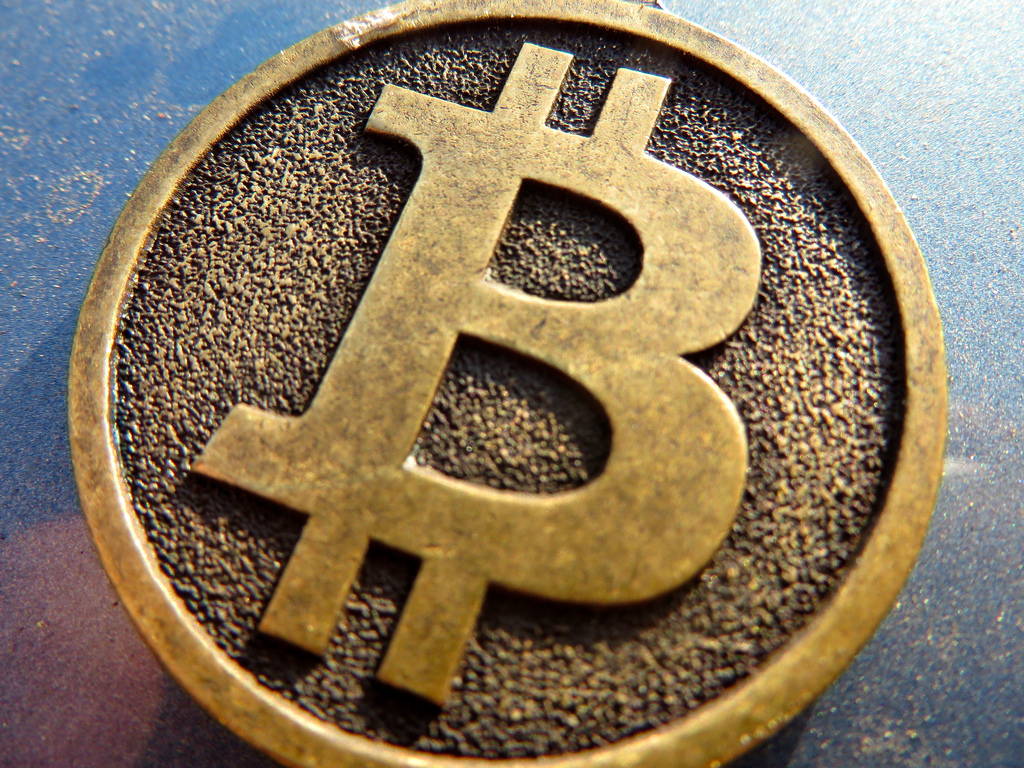
The cryptocurrency bitcoin, which was created by Satoshi Nakamoto in 2008, has been rising in value at an unprecedented rate since its introduction. In 2010 one was worth a meagre $0.07, but seven years later its value now hovers around the dizzying heights of $2500. Could this have far reaching implications for its future? Here are some considerations.
Bubble?
Since bitcoin is such a new phenomenon, it is hard to tell exactly what the future will hold for it. Bar a few minor crashes, its rocketing value has showed no signs of slowing, and there are no historical charts with which to compare its trajectory.
Some believe that its massive price hike over the years may be a financial bubble waiting to burst. Others believe that it looks like a bubble, but is in fact the natural trajectory of its value. The only certainty at the moment is that bitcoin is receiving an immense amount of international attention as its price rises, which will certainly have implications in itself.
Regulation
Bitcoin has existed as an independent entity since its creation. Since it exists solely online, it is an international currency with no borders and no one to regulate it. Its decentralised nature makes it incredibly secure, and blockchain, the technology behind it, is considered one of the greatest innovations of the last decade.
The greater the amount of people who discover and invest in bitcoin, the higher its price will rocket, and this in turn could attract attention from establishments around the world, who may attempt regulation (although this is a seemingly impossible task). Higher prices for bitcoin, however, may well put some people off investing their money in it, so there are numerous potential outcomes for the future.
New Age of Cryptocurrency
New cryptocurrencies (such as Zcash) are already emerging as a result of bitcoin’s popularity, and this could signal the dawn of a golden age for their involvement in the economy. Those trading currencies with brokers like forex.com could well see the currency more widely introduced to the forex market, and some brokers have already introduced it.
Whether rival cryptocurrencies will devalue bitcoin is uncertain, but as of yet they seem to have had little or no effect, potentially even boosting its value. If their popularity continues to rise, then the introduction of new cryptocurrencies could be a regular occurrence, potentially even removing the need for physical currency in the long term future.
Bitcoin is a disruptive and fascinating phenomenon, having gained incredible momentum in recent years. Its rise in value is unprecedented, and as such its future is impossible to accurately predict. If it continues on the same trajectory, it could well be a force for change in the global economy.







