


 Cerebras Revenue Forecast Tops Expectations, but Margin Concerns Weigh on Stock
  Oracle Cuts 21,000 Jobs as AI Reshapes Workforce and Cloud Expansion Accelerates
  Alphabet Stock Slides as AI Talent Exodus and SpaceX Losses Shake Investor Confidence
  Anthropic AI Model Uncovers Vulnerabilities in Classified U.S. Government Systems During Security Test
  WiseTech Global Denies Knowledge of Investigation Into Founder Richard White
  SpaceX Stock Rebounds After Sharp Selloff, But Valuation Concerns Persist
  US-Iran De-Escalation Shifts Washington’s Focus to AI Regulation and Crypto Legislation
  SK Hynix Shares Hit Record High After Shipping Next-Generation HBM4E AI Memory Samples
  Trump’s Quantum Push Lifts IBM Stock as CEO Arvind Krishna Receives White House Praise
  Google’s Open-Source AI Data Center Cooling Design Raises Commoditization Concerns
  Tencent Reviews Marvelous Stake as Gaming Giant Reassesses Global Investment Strategy
  Trump Says Anthropic No Longer Seen as National Security Threat
  SK Hynix Moves Closer to New York ADR Listing Amid AI Chip Boom


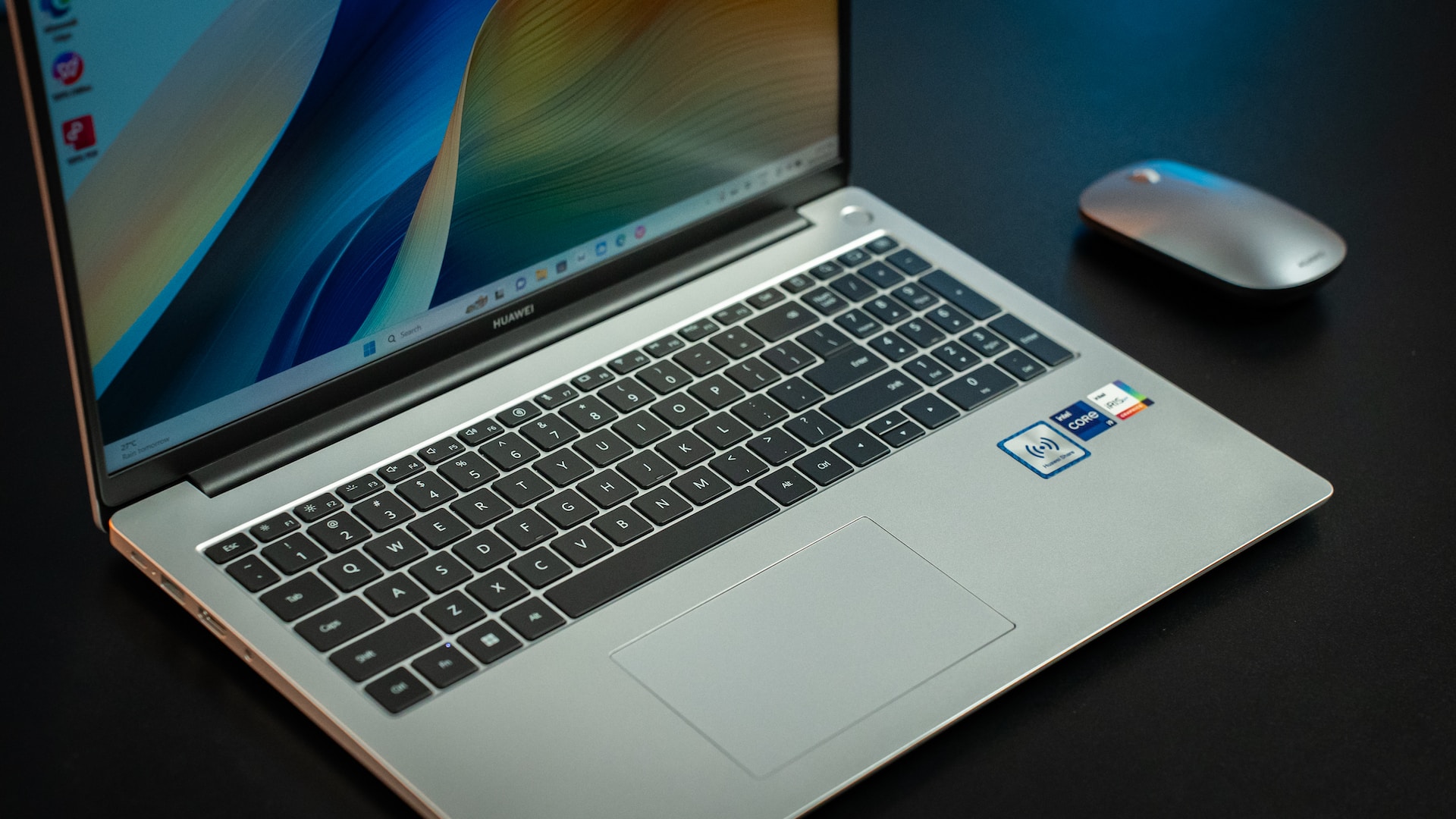
Huawei has introduced the Kirin 9006C for its Qingyun L540 and Qingyun L420 notebooks. Unfortunately, the single-core and multi-core performance, like that of the Kirin 9000S and Kirin 9000SL, has yet to equal what the competition offers, but that is how difficult things become when global trade prohibitions limit your alternatives.
Single-core, Multi-core Scores for Huawei's Kirin 9006C Reveal Disappointingly Slow SoC
Several PCs equipped with the Kirin 9006C have been tested, and the single-core and multi-core results are available on Geekbench 6. One Qingyun L420 unit scored 1,229 and 3,577, which is quite disappointing given that the SoC is designed to function in laptops, which require greater computing power than smartphones.
Unlike the majority of brands that run Windows 10 and Windows 11, Huawei's Qingyun L540 and Qingyun L420 run a proprietary operating system known as “UnionTech OS Desktop 20 Pro.” Because the operating system is lighter than Windows 10 or Windows 11, a high-end chipset is not required.
If Huawei is given the option to return to Microsoft's platform, it will need to create something with a little more oomph. We discovered that the Kirin 9006C's single-core and multi-core results are slower than the Snapdragon 8cx Gen 3, a Qualcomm SoC that lags far behind Apple's M2 in the same test.
Kirin 9006C: Huawei's Pursuit of Semiconductor Independence Despite Performance Hurdles
Just yesterday, it was discovered that the Kirin 9006C is a 5nm SoC developed by TSMC, not SMIC. While Huawei is lagging in the semiconductor race, a 5nm chipset still has good power-efficiency properties. In short, the Qingyun L540 and Qingyun L420 should outlast the average notebook in their class, but that doesn't change the reality that the Kirin 9006C is weak.
SMIC, China's largest semiconductor company, is pursuing 5nm wafer development using existing DUV machinery, as per WCCFTech. While this method will be more expensive and time-consuming, not to mention result in lower yields, Huawei likely wants independence from foreign companies and the US in order to design chipsets that can compete with Apple's M-series and Qualcomm's Snapdragon X Elite.
Photo: Amanz/Unsplash







