


 SoftBank Shares Slide After Arm Earnings Miss Fuels Tech Stock Sell-Off
  India–U.S. Interim Trade Pact Cuts Auto Tariffs but Leaves Tesla Out
  Global PC Makers Eye Chinese Memory Chip Suppliers Amid Ongoing Supply Crunch
  U.S. Stock Futures Rise as Markets Brace for Jobs and Inflation Data
  Alphabet’s Massive AI Spending Surge Signals Confidence in Google’s Growth Engine
  Japan Economy Poised for Q4 2025 Growth as Investment and Consumption Hold Firm
  Gold and Silver Prices Rebound After Volatile Week Triggered by Fed Nomination
  Sony Q3 Profit Jumps on Gaming and Image Sensors, Full-Year Outlook Raised
  RBI Holds Repo Rate at 5.25% as India’s Growth Outlook Strengthens After U.S. Trade Deal
  Hims & Hers Halts Compounded Semaglutide Pill After FDA Warning
  Once Upon a Farm Raises Nearly $198 Million in IPO, Valued at Over $724 Million
  Missouri Judge Dismisses Lawsuit Challenging Starbucks’ Diversity and Inclusion Policies
  Uber Ordered to Pay $8.5 Million in Bellwether Sexual Assault Lawsuit
  Vietnam’s Trade Surplus With US Jumps as Exports Surge and China Imports Hit Record
  Indian Refiners Scale Back Russian Oil Imports as U.S.-India Trade Deal Advances
  DBS Expects Slight Dip in 2026 Net Profit After Q4 Earnings Miss on Lower Interest Margins
  American Airlines CEO to Meet Pilots Union Amid Storm Response and Financial Concerns


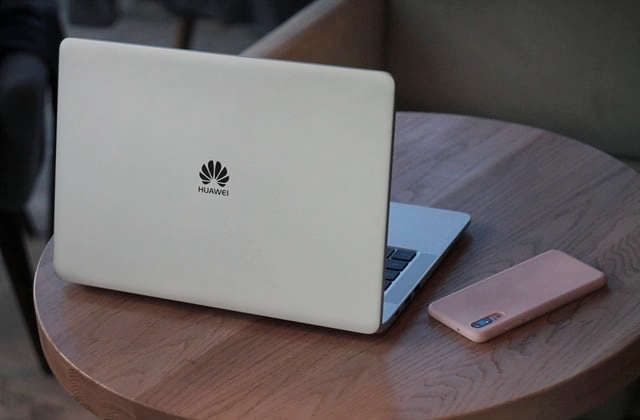
Huawei has been blacklisted in the U.S. after Donald Trump’s administration labeled the company as a threat to the country’s security. Now the Chinese company decided to take steps to prove it is not a national threat.
Huawei just filed a lawsuit to challenge the U.S. Federal Communications Commission’s claim that it is a risk to the nation’s safety. As per Fox Business, the suit was filed earlier this week at the U.S. Court of Appeals for the Fifth Circuit.
Details of the suit
While the administration has already changed and Donald Trump is not in the White House anymore, the restrictions he imposed on Chinese companies remained. Thus, even if the U.S. is being governed by Joe Biden now, Huawei is stepping up its legal action so they can be taken off from the blacklisted companies and continue operation without issues.
In its lawsuit, Huawei is asking the court to review the ruling handed down by the FCC last year. The company was found to be a security threat, and immediately, American telecom operators were banned from working or investing in Huawei.
The Chinese telecom giant stated in the filing that FCC’s ruling “exceeded its authority and was arbitrary, capricious, and an abuse of discretion, and not supported by substantial evidence.”
“Last year the FCC issued a final designation identifying Huawei as a national security threat based on a substantial body of evidence developed by the FCC and numerous U.S. national security agencies,” The Wall Street Journal quoted FCC’s spokesperson as saying in reply to Huawei’s complaint. “We will continue to defend that decision.”
Biden administration’s position in the case
Former President Donald Trump blocked Huawei from accessing American technology, and officials claim that China exploited Huawei to spy and obstruct telecommunications networks though no evidence was presented publicly. The company’s CEO Ren Zhengfei reiterated that his company is not working on spying for China or any other country, but Huawei remained banned.
Now, under Biden’s administration, Huawei is hoping it could be given another chance. With its requested review, the telecom firm hopes Biden will be more open to policies “that are in the interests of U.S. companies.” Then again, it was reported that the new administration hasn’t clearly spelled out its approach to Huawei yet, but Biden vowed to protect the U.S. security.













