


 Nvidia’s China AI Chip Market Share Falls to 34% as Huawei Gains Ground
  Interactive Brokers Launches Ethereum Staking With Zerohash
  Nvidia Invests in Four French AI Companies to Expand European Presence
  Moonshot AI Executives Seek Settlement Ahead of Hong Kong IPO
  Ripple Mints 19.6 Million RLUSD Amid Banking Expansion
  OpenAI Uses AI to Uncover Hidden Recording Device, FBI Makes Arrest
  Bank of America Hit With $1.2 Billion Fine Over Money Laundering Failures
  Canton Network Expands Wall Street Reach With Ripple Integration
  Syndax Stock Drops 15% After Axatilimab Trial Failure
  MNX Crypto Exchange Launches Futures for OpenAI, Anthropic Valuations
  New York Times, AFP Join Coalition to Protect Content From AI
  Binance to Shut Down Crypto Mining Pool Services on November 10
  Most Americans Oppose Election Betting on Prediction Markets, Poll Finds
  Trezor Cuts Reseller Network After Ledger Security Breach
  AT&T Sells Mexico Wireless Business to Televisa for $2 Billion
  South Korea Blocks 27 Crypto Exchange Websites in Regulatory Crackdown


 Add as a preferred source on Google
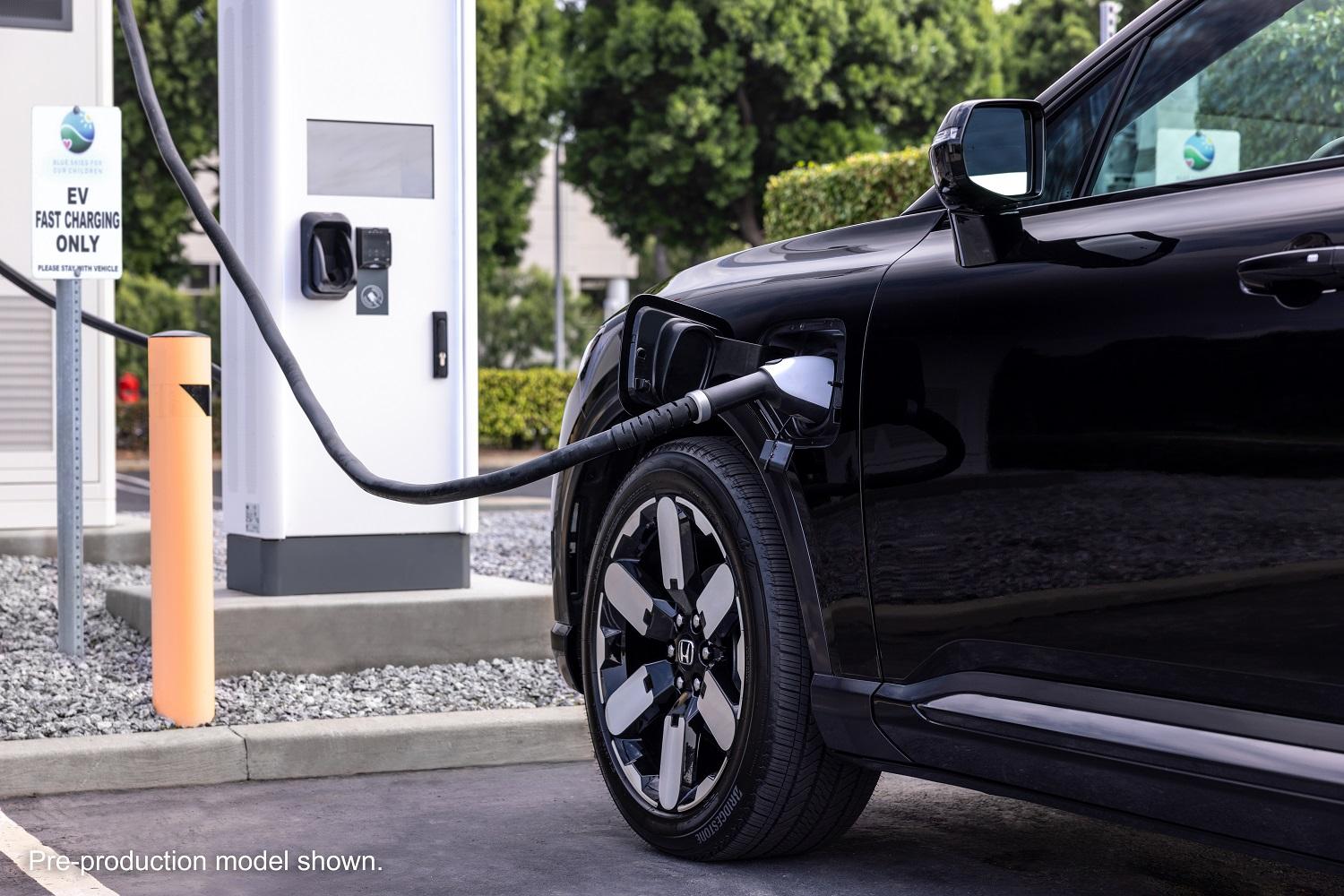
Honda Motor and General Motors have terminated their joint project to develop affordable electric vehicles (EVs) just one year after their initial collaboration. The partnership aimed to challenge Tesla's dominance in the EV market.
Change of Strategy for GM
According to Reuters, GM's decision underscores its shift in focus towards profitability as it grapples with the escalating costs resulting from United Auto Workers strikes.
The company, facing rising expenses of $200 million per week due to these strikes, has decided to slow the launch of several EV models. As a result, GM withdrew its 2023 profit outlook on Tuesday.
Asahi Shimbun reported that despite the dissolution of the joint project, Honda remains committed to bringing affordable EVs to the market. The Japanese company stated that it will continue working towards selling only electrified vehicles by 2040.
After conducting thorough research and analysis, both companies agreed to halt the development of affordable EVs. Honda stated that each company will now focus independently on delivering affordable models to the EV market.
Commitment to Electrified Vehicles
It is important to note that Honda is committed to offering electrified vehicles by 2040, emphasizing its dedication to sustainability and reducing carbon emissions.
The initial agreement between Honda and GM, signed in April of the previous year, aimed to develop a range of lower-cost EVs based on a new joint platform. Utilizing GM's Ultium battery technology, these vehicles were expected to hit the market in 2027.
Honda CEO Toshihiro Mibe, in an interview, explained the reasoning behind the dissolution of the partnership. After a year of evaluation, it was determined that pursuing the project would be difficult from a business perspective.
"We are currently ending the development of an affordable EV, as we have deemed it challenging," Mibe stated.
Safety Concerns and Unaffected Partnerships
Notably, the recent safety incident involving Cruise, GM's subsidiary, in California will not impact Honda's separate partnership with GM and Cruise. California authorities ordered Cruise to remove its driverless cars from state roads due to concerns regarding the technology's safety.
Despite this setback, Honda aims to establish a joint venture with GM and Cruise in the first half of 2024 and plans to launch a driverless ride service in Japan by early 2026.
Photo: Honda Newsroom







