


 Mexico's Electoral Reform Bill Fails in Congress as Coalition Fractures
  U.S. and Russia Hold Diplomatic Talks in Florida Amid Ongoing Tensions
  Pentagon Taps Wall Street Talent to Manage $200 Billion Defense Investment Fund
  U.S. Calls for Reassessment of International Aid to Taliban-Ruled Afghanistan
  Trump Hints at Possible U.S. Takeover of Cuba Amid Deepening Humanitarian Crisis
  After the Iran war, Persian Gulf nations face tough decisions on the US – a former diplomat explains
  Russian Drone Strikes Hit Kharkiv and Dnipro, Injuring Over 20 Civilians
  Trump Announces New U.S. Oil Refinery in Texas with Indian Energy Giant Reliance
  Trump-Putin Call Addresses Iran War, Ukraine Peace, and Global Oil Crisis
  Boeing Secures $289 Million Smart Bomb Contract With Israel
  Taiwan's MQ-9B SkyGuardian Drone Order Stays on Schedule Despite Middle East Conflict
  FBI Warns of Possible Iranian Drone Attacks on California Amid U.S.-Iran War
  Israel-Iran War: Herzog Urges Patience as U.S. and Israeli Strikes Intensify
  Trump Administration Launches Trade Investigations Against 16 Countries Over Industrial Overcapacity
  Bipartisan Housing Bill Advances in Senate, Aims to Tackle U.S. Affordability Crisis
  Iran Mines Strait of Hormuz: Crude Oil Prices Surge Amid Middle East Tensions


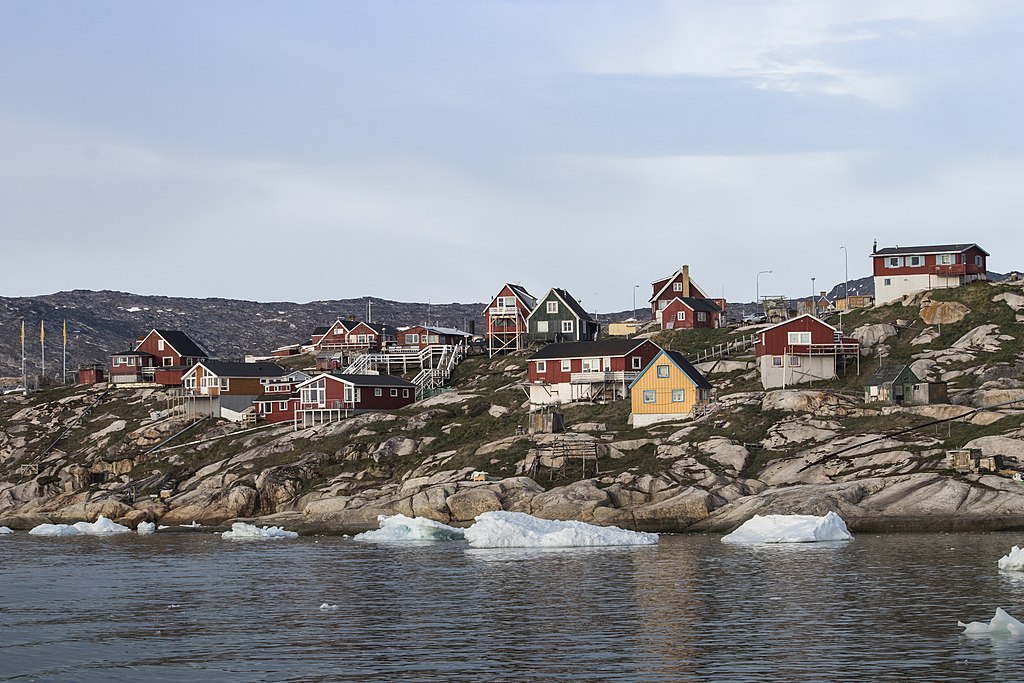
Greenland’s political debate over independence and its relationship with the United States has intensified after a senior opposition leader called for direct talks with Washington, bypassing Denmark, amid renewed pressure from U.S. President Donald Trump. The comments highlight growing divisions within Greenland as the Arctic island navigates rising geopolitical interest and strategic competition.
In remarks to Reuters, Pele Broberg, leader of the pro-independence Naleraq party, urged Greenland’s government to open direct dialogue with the U.S. government without Danish involvement. Broberg argued that Denmark’s role as intermediary has strained relations and that direct engagement would better serve Greenland’s interests. Naleraq, which supports a rapid path to full independence, emerged stronger in the last election, doubling its parliamentary seats and winning around a quarter of the vote in a population of just 57,000.
Trump has recently revived his long-standing idea of bringing Greenland under U.S. control, first raised during his initial term in 2019. Greenland’s strategic location between Europe and North America makes it vital to U.S. ballistic missile defense, while its untapped mineral resources align with Washington’s goal of reducing reliance on China for critical materials. These factors have placed Greenland at the center of U.S. national security and economic interests.
Despite calls for direct talks, Greenland’s government has stressed legal constraints. Foreign Minister Vivian Motzfeldt stated that Greenland cannot independently conduct foreign or defense negotiations, as these responsibilities remain with Denmark under the Kingdom’s constitutional framework. She emphasized the importance of respecting existing laws and maintaining stability in relations with the United States.
The debate comes ahead of a planned meeting involving Danish and Greenlandic officials and U.S. Secretary of State Marco Rubio, aimed at easing tensions among NATO allies. While some Trump administration figures have suggested that all options remain on the table to protect U.S. interests, others, including European officials, downplay the likelihood of military action.
All major Greenlandic parties support eventual independence, but differ on timing and strategy. As global interest in the Arctic grows, Greenland’s future relationship with Denmark and the United States is becoming an increasingly critical issue in international politics.













