


 BofA Names ASML Top Semiconductor Equipment Pick on Growth, Valuation
  HP Stock Drops 9% Despite Q3 Earnings Beat and Raised 2026 Outlook
  Nvidia Reportedly Eyes $13 Billion Hugging Face Acquisition
  Faraday Future Delivers First Robots in Middle East, Plans September Launches
  Nvidia Eyes Perplexity Investment at $30 Billion Valuation
  Trump Buys SpaceX Shares After Record IPO
  SK Hynix Shares Fall as Workers Reject Wage Deal
  SoftBank Eyes $20 Billion Bond Sale to Refinance OpenAI Loan
  PayPal Shares Sink as $50 Billion Takeover Bid Collapses
  Google Changes EU Spam Policy Amid Antitrust Scrutiny
  New Zealand Moves to Ban Social Media for Children Under 16
  OpenAI Data Center Chief Chris Malone Exits Ahead of Planned 2027 Listing
  Salesforce Shares Surge as AI Demand Powers Q2 Earnings Beat
  Meta Agrees to $18 Billion Settlement, Tightens Teen Social Media Rules
  Xiaomi Unveils Xring O3 Chip for Flagship Foldable Phone
  Apple’s Phil Schiller Steps Back as Leadership Shake-Up Accelerates


 Add as a preferred source on Google
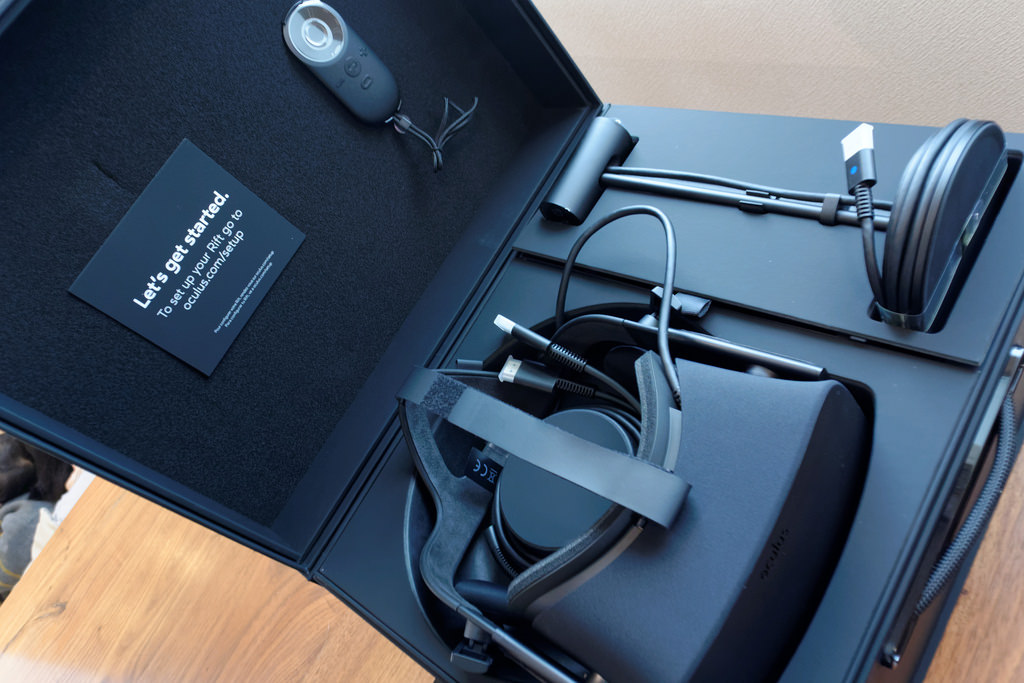
Even though the industry is still in its infancy, companies are churning out virtual reality headsets in order to corner the market. However, most of the hardware available are either of terrible quality or are too cumbersome to use. At the 2018 Consumer Electronics Show, Google and Lenovo unveiled a standalone VR headset that might turn this franchise around.
As Fast Company notes, the biggest problem with most high-quality VR systems is that they need to be plugged into something else, whether that’s a PC or a mobile device. What Google and Lenovo created is a headset with its own onboard processor that’s capable of producing the VR environment on its own. What’s more, the VR headset, which is called the “Mirage Solo,” might actually provide an excellent VR experience.
The hardware was created by Lenovo but it sports the Daydream VR platform by Google. The headset is classified under the arena called “six degrees of freedom” or 6DOF. This is basically the next level of VR immersion, which is intended to provide users with a lot more freedom than simply being at the center of the VR environment.
As The Verge notes, it would seem that the Mirage Solo borrows some design choices from other headsets. The black-and-white exterior mimics that of the Samsung Gear VR but the headband is reminiscent of the Sony PS VR.
The headset apparently features 5 feet of play space, which is lower than what customers would get with its PC-connected counterparts. However, if it delivers anywhere near the same level of stability and the fidelity as promised by the presenters, it’s likely going to be a game changer.
The price of the device has yet to be revealed, but it will apparently ship in the middle of 2018. It’s worth expecting that it will likely be more expensive than the similarly standalone VR product Oculus Go, which is priced at $199.







