


 Trump Tariffs Show Minimal Economic Impact but Boost Federal Revenue, Study Finds
  Suspicious Oil Market Trades Precede Trump's Iran Peace Post by 15 Minutes
  Institutional Inflow Surge: Bitcoin Targets $80,000 as ETF Demand Hits New Yearly Milestone
  Asian Currencies Weaken as Dollar Rebounds Amid Middle East Uncertainty and Japan Inflation Data
  Oil Prices Rebound as Iran Denies U.S. Talks Amid Gulf War Supply Fears
  Middle East War Rattles Global Markets as Oil Tops $100 and Dollar Surges
  Crude Cool-Down: Easing Supply Fears and Strategic Reserves Dampen Energy Rally
  Gold Prices Surge on U.S.-Iran Ceasefire Reports
  Federal Reserve Balance Sheet Reduction: Brookings Research Outlines Possible Path Forward
  U.S. Oil Prices Slide as Middle East Ceasefire Talks Spark Market Optimism


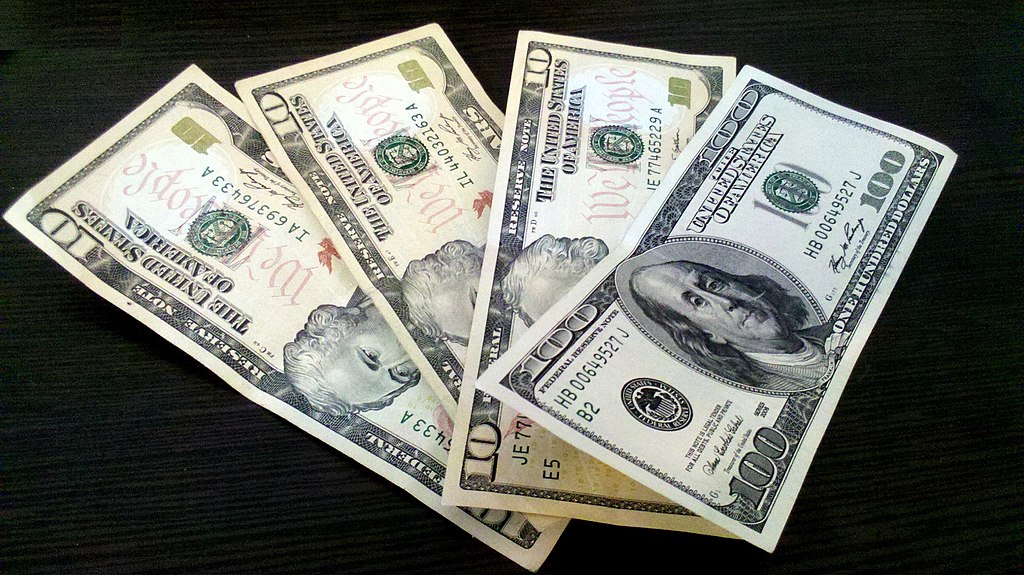
Goldman Sachs warns that the U.S. dollar’s recent rebound may be short-lived, citing rising vulnerabilities and a likely shift in global asset allocation. The U.S. Dollar Index has gained 1.7% in July, recovering from a 12% drop in the first half of the year, primarily due to U.S. asset outperformance. However, Goldman strategists, led by Kamakshya Trivedi, argue this tactical bounce masks underlying fragility.
The bank believes global investors may soon resume diversifying away from U.S. assets amid policy uncertainty and unpredictable dollar-equity correlations. While markets initially viewed new tariffs as dollar-positive, Goldman highlights that prior tariff implementations have triggered dollar selloffs due to fading safe-haven demand.
Recent U.S. inflation data, they argue, shows modest tariff-driven price pressures but broader disinflation trends—supporting the case for Fed rate cuts, potentially deeper and earlier than markets expect.
In currency markets, Goldman sees the USD/JPY rally as stretched, with risks tilted toward yen strength around Japan’s upcoming elections. A strong showing by the ruling coalition may spark a reversal in USD/JPY, while a major loss could drive short-term upside. Nonetheless, the yen is expected to benefit from anticipated Fed easing later this year.
Goldman remains bearish on the British pound versus the euro, citing weaker valuation metrics and fiscal risks, despite short-term boosts from UK inflation and jobs data. They now expect the Bank of England to delay rate cuts until November, slightly postponing sterling weakness.
For the AUD/USD, Goldman expects the Reserve Bank of Australia to resume rate cuts in August. While near-term pressures remain, Fed easing could support the Aussie longer term. On the USD/TRY front, Turkey’s expected rate cuts and lower external risks reduce the lira’s carry trade appeal, with forecasts now at 42, 44, and 48 for 3-, 6-, and 12-month horizons.













