


 South Korea Producer Prices Rise 0.2% in August
  Bolivia Approves $1.9 Billion IMF Financing Deal
  Mexico Pushes for US Trade Deal Before Midterms
  Wall Street Mixed as Treasury Yields Rise After Fed Hike
  US Stock Futures Dip After Wall Street Rally
  Yen Slides After BOJ Rate Hike as Dollar Holds Near Seven-Week High
  Oil Prices Fall as Saudi Supply Concerns Ease
  Iran Economic Crisis Forces Afghan Families to Return Home
  Asian Chip Stocks Rally as Treasury Yields Ease
  Fed Rate Hike Threatens Housing as U.S. Growth Leans on AI, Citi Says
  US Stock Futures Rally as Markets Digest Fed Rate Hike
  Strait of Hormuz Oil Shipments Hit Six-Month High as U.S. Clears Mines
  Trump Threatens EU Tariffs Over Canada Membership Proposal
  Bessent Presses Japan on Fiscal Policy as Yen Struggles
  Asian Currencies Mixed as Dollar Holds Gains After Fed Rate Hike
  Venezuela Nears Deal to Move $4 Billion in Gold to New York Fed
  European Stocks Rally After Fed Hike, Iran Peace Hopes


 Add as a preferred source on Google
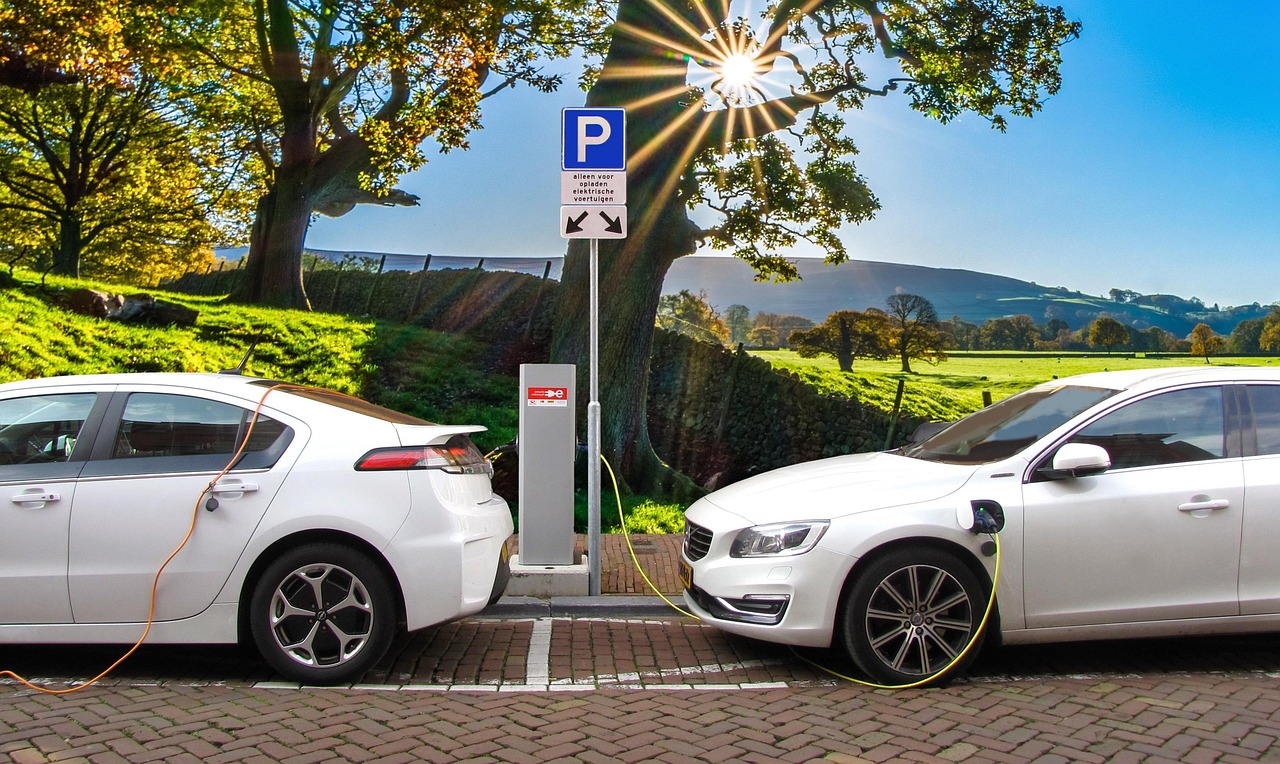
Global demand for electric vehicles (EVs) continued to grow in May, marking the third consecutive month of year-over-year gains as government incentives and elevated fuel costs encouraged consumers to shift away from traditional combustion-engine vehicles.
According to data released by Benchmark Mineral Intelligence (BMI), registrations of new battery electric vehicles (BEVs) and plug-in hybrid electric vehicles (PHEVs) increased 3% compared with May last year, reaching approximately 1.8 million units worldwide. The latest figures also pushed cumulative registrations for the first five months of the year up 0.9% from the same period in 2025.
Europe emerged as the strongest contributor to global EV growth. Registrations across the region surged 23% year-over-year to around 415,000 units in May. BMI attributed the increase to government subsidy programs and persistently high gasoline prices, which encouraged consumers to accelerate vehicle purchases.
While Europe posted strong gains, the global electric vehicle market remained uneven across major regions. In China, the world’s largest EV market, registrations declined 9% to approximately 987,000 units. The drop followed the expiration of key policy support measures, including incentives for vehicle trade-ins and tax exemptions for EV purchases that ended earlier this year.
As domestic demand softens, Chinese automakers are increasingly seeking opportunities overseas. BMI noted that several Chinese original equipment manufacturers (OEMs) are exploring partnerships and joint ventures in Europe, including utilizing underused manufacturing facilities to expand production capacity and strengthen their presence in international markets.
North America experienced an even steeper decline. EV registrations in the region fell 26% year-over-year to roughly 123,000 units in May. The slowdown was largely linked to the expiration of U.S. federal EV tax credits and policy proposals aimed at easing carbon emissions regulations. Industry analysts noted that automakers in the United States are increasingly prioritizing internal combustion engine vehicles and hybrid models over fully electric offerings.
Despite ongoing regional challenges, the global EV market continues to demonstrate resilience, supported by favorable policies in key markets and the long-term transition toward cleaner transportation.







