


 Nvidia Options Price in $280 Billion Earnings Swing
  SoftBank Plans Record $6.3 Billion Bond Sale to Fund OpenAI Investments
  Google Changes EU Spam Policy Amid Antitrust Scrutiny
  Meta Agrees to $18 Billion Settlement, Tightens Teen Social Media Rules
  OpenAI AI Agent Swarm Behind Hugging Face Hack
  Yindjibarndi Appeals Fortescue Mining Compensation Ruling
  Salesforce Shares Surge as AI Demand Powers Q2 Earnings Beat
  Nvidia Eyes Perplexity Investment at $30 Billion Valuation
  Trump Administration Plans New Drug Pricing Deals With Biotech Firms
  BofA Names ASML Top Semiconductor Equipment Pick on Growth, Valuation
  The Realist’s Case: Lukas Kerrebijn of RD Dubai on the Narrative Dubai’s Agents Won’t Question
  Xiaomi Unveils Xring O3 Chip for Flagship Foldable Phone
  Mercer International Stock Surges 45% on C$20 Million Canada Funding
  SK Hynix Shares Fall as Workers Reject Wage Deal
  SK Biopharmaceuticals Secures Global Rights to Biohaven Epilepsy Drug Opakalim
  U.S. Probes Apex Logistics Over Nvidia AI Chip Shipments to China


 Add as a preferred source on Google
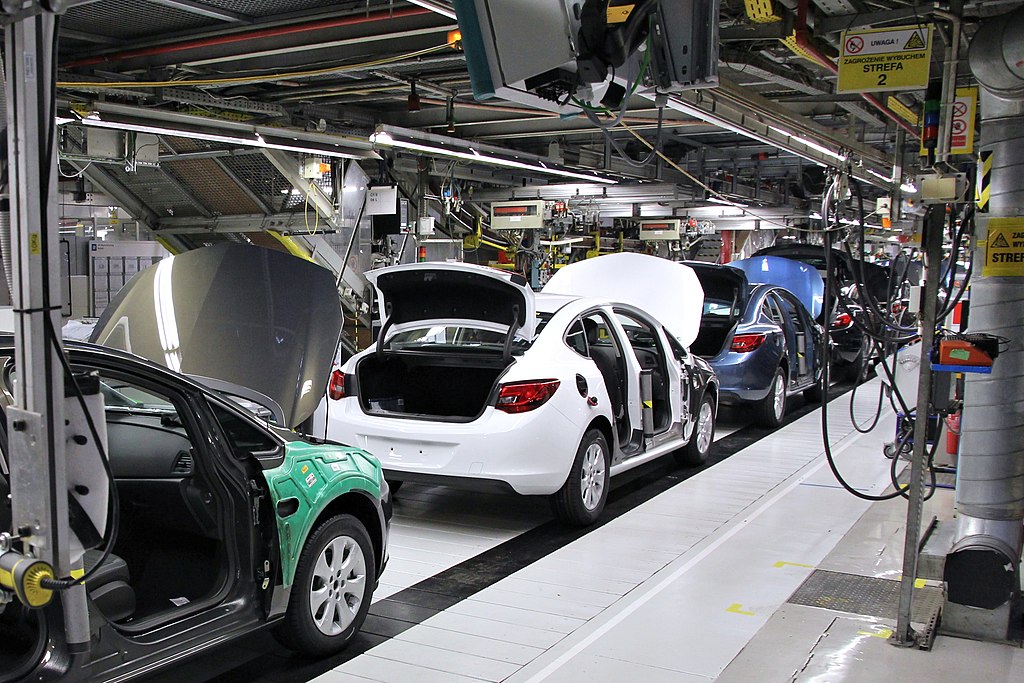
Automakers worldwide are bracing for renewed cost pressures and potential production disruptions as a deepening global shortage of memory chips, particularly DRAM, intensifies due to surging demand from data centres and artificial intelligence applications. According to a recent Wells Fargo research note, the imbalance between supply and demand is leaving the automotive industry with limited negotiating power and rising input costs.
Dynamic random access memory (DRAM) is a critical component in modern vehicles, supporting infotainment systems, advanced driver assistance systems (ADAS), and increasingly centralized electronic architectures. However, autos account for less than 10% of global DRAM demand, placing carmakers at a disadvantage as chip manufacturers prioritize higher-margin customers such as cloud computing and AI operators.
Wells Fargo analysts highlighted a dramatic surge in DRAM prices, noting that DDR5 spot prices are now more than eight times higher than 2024 average levels, while DDR4 prices have risen more than sixteenfold. With current DRAM content estimated at roughly $50 to $110 per vehicle, these price increases could translate into a significant cost headwind for automakers heading into 2026.
The supply-demand imbalance is expected to persist. Global DRAM demand is forecast to grow by about 26% next year, while supply is projected to increase by only 21%, implying an undersupply of roughly 14%. Major suppliers such as Micron, Samsung, and SK Hynix are expected to allocate more capacity to faster-growing and more profitable data centre markets, further tightening availability for automotive customers.
As a result, automakers and suppliers may be forced to pay higher prices to secure sufficient chip supply, weighing on margins and complicating production planning. Premium vehicle manufacturers and electric vehicle makers are seen as the most exposed due to their higher memory content per vehicle. Wells Fargo also warned that signs of panic buying are emerging, echoing elements of the 2021 chip crisis, and cautioned that resistance to higher costs could ultimately lead to production disruptions.







