


 Golden Dome Missile Defense: Anduril and Palantir Join Forces on Trump's $185B Space Shield
  Malaysia Semiconductor Industry Eyes Helium Supply Risks Amid Middle East Conflict
  Jeff Bezos Eyes $100 Billion Fund to Transform Manufacturing With AI
  Xiaomi's AI Model "Hunter Alpha" Mistaken for DeepSeek's Next Release
  OpenAI's Desktop Superapp: Unifying ChatGPT, Codex, and Browser Tools for Enterprise AI
  NVIDIA's Feynman AI Chip May Face Redesign Amid TSMC Capacity Crunch
  Elliott Investment Management Takes Multibillion-Dollar Stake in Synopsys
  SK Hynix Eyes Up to $14 Billion U.S. IPO to Fund AI Chip Expansion
  AWS Bahrain Region Disrupted by Drone Activity Amid Middle East Conflict
  AMD CEO Lisa Su Heads to Samsung's South Korea Chip Facility Amid AI Expansion Talks
  NVIDIA Resumes China AI Chip Production Amid $1 Trillion Revenue Forecast
  Meta Ties Executive Pay to Aggressive Stock Price Targets in Major Retention Push
  Nanya Technology Shares Surge 10% After $2.5 Billion Private Placement from Sandisk and Cisco
  SpaceX IPO Filing Expected This Week as Valuation Could Surpass $75 Billion
  Palantir's Maven AI Earns Pentagon "Program of Record" Status, Reshaping Military AI Strategy
  Super Micro Computer Shares Plunge After Co-Founder Charged in AI Chip Smuggling Case


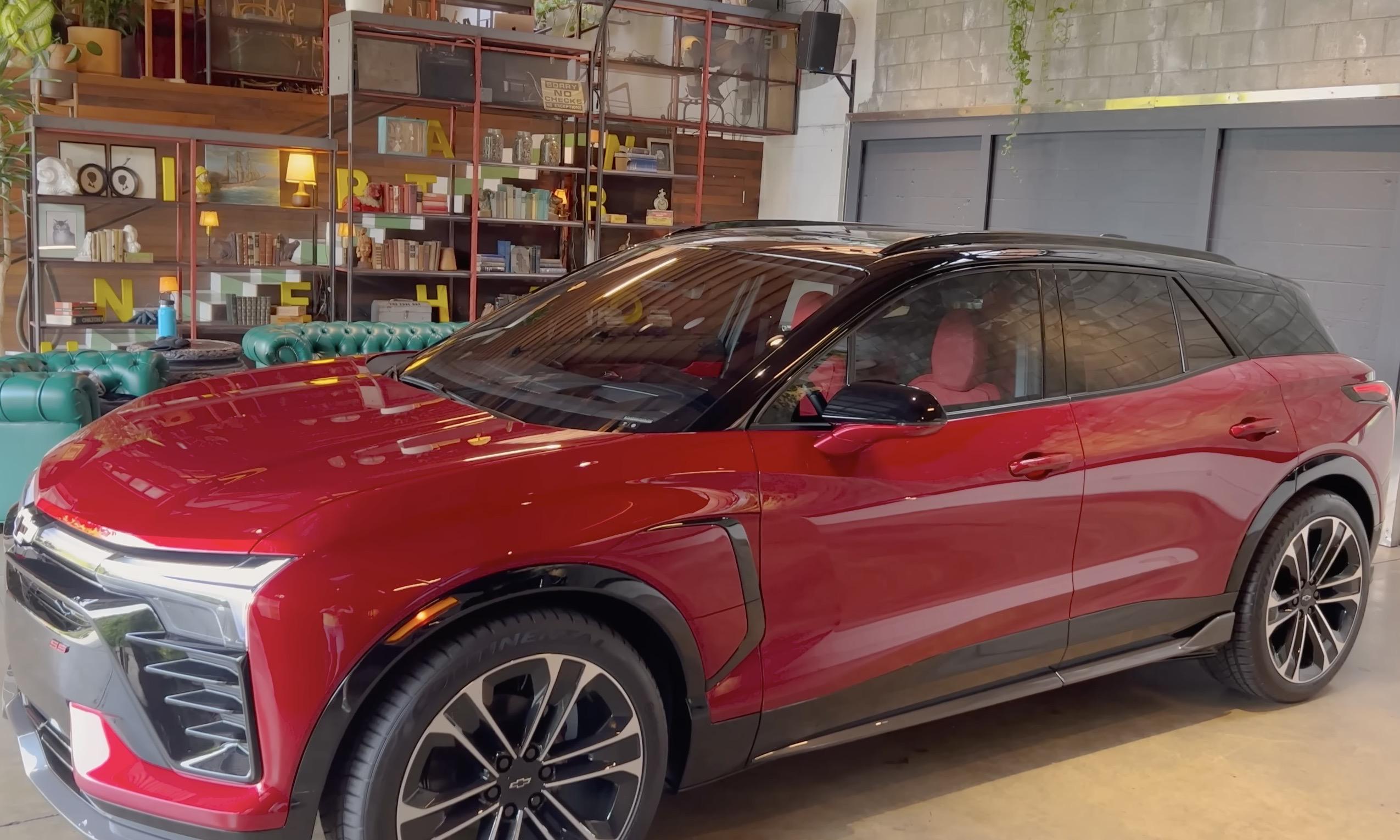
General Motors feels that discontinuing standalone Apple CarPlay and Android Auto smartphone connectivity will help increase safety, Motor Trend reported.
Apple CarPlay and Android Auto Make Automobiles Less Safe, General Motors Claims
General Motors head of product for infotainment Tim Babbitt told Motor Trend at a media event for the 2024 Chevrolet Blazer EV, the first vehicle to get a new Google-based infotainment system that drops Apple CarPlay and Android Auto, that the new system makes it less likely that drivers will pick up their phones while behind the wheel.
According to Babbitt, Apple CarPlay and Android Auto have stability concerns that might cause sluggish responses, poor rendering, and failed connections. And if the car's screen isn't operating well, drivers will be tempted to use their phones, he claims, although acknowledging that GM hasn't tested this notion.
According to Motor Trend, the dependability of CarPlay and Android Auto might be a concern owing to factors such as bad wireless connectivity, compatibility difficulties with the various Android phones on the market, and backward compatibility issues that impact older iPhone models.
General Motors claims it has solved this problem by directly integrating many of the tools drivers use on their phones, such as Google Maps, into the infotainment system. This potentially increases their stability while providing GM with greater direct access to data provided by consumers.
Google Infotainment Exclusive, Delays in Releases, and Future of Gas-Powered Vehicles
In April, GM revealed that all future EVs will include the Google-powered infotainment system. Following the Blazer EV, the Chevy Equinox EV, Cadillac Celestiq, and GMC Sierra EV will all be available without Apple CarPlay or Android Auto, as per WNCT. However, production challenges have caused several of these models to be delayed in their release.
The plan to withdraw CarPlay and Android Auto does not apply to combustion-engine vehicles, although GM has stated that most gas-powered vehicles will be phased out in the coming years. In 2021, the carmaker proclaimed an "aspiration" to eliminate tailpipes from its light-duty cars by 2035, with ambitions to make Buick and Cadillac all-electric by the end of the decade.













