


 Gold Prices Fall Amid Rate Jitters; Copper Steady as China Stimulus Eyed
  Trump to Ease U.S. Fuel-Economy Standards
  Japanese Bank Stocks Surge as Bond Yields Fuel Rate Hike Bets
  Soybean Futures Slip as Traders Await Trump-Xi Trade Signals
  U.S. Treasury Yields Surge as 30-Year Hits 22-Year High
  Mexico-US Trade Talks Delayed to October as Tariff Negotiations Continue
  Canadian Dollar Faces Pressure as Fed-BoC Policy Gap Widens
  US Stock Futures Fall as Treasury Yields Surge Ahead of Trump-Xi Summit
  European Stocks Fall as Bond Yields and Geopolitical Risks Weigh
  Fed Unveils Stablecoin Rules Under GENIUS Act


 Add as a preferred source on Google
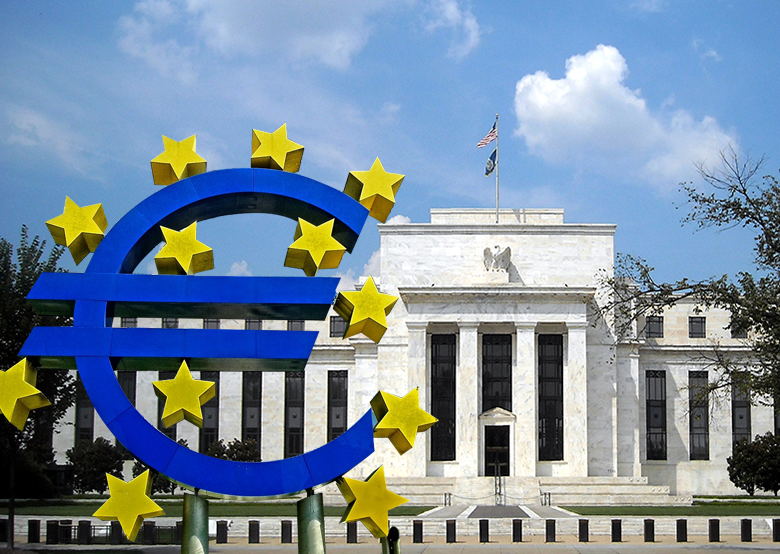
The G-20 countries reaffirmed their previous exchange rate commitments, including that they will refrain from competitive devaluations and they will not target their exchange rates for competitive purposes. The world’s top financial leaders have warned that low interest rates alone were not the solution to returning the fragile global economy to stable growth.
In a communique released on Saturday, the G-20 countries reiterate their commitments to using all policy tools – monetary, fiscal and structural – individually and collectively to foster confidence and strengthen growth. They reiterated that excess volatility and disorderly movements in exchange rates can have adverse implications for economic and financial stability.
Jack Lew, US Treasury secretary, said no country should rely too heavily on any single policy tool to bolster growth, adding that monetary policy alone would not generate the balanced growth Europe needs.
The G-20 was also committed to carefully calibrate and clearly communicate their macroeconomic and structural policy actions to reduce policy uncertainty, minimize negative spillovers and promote transparency. The G-20 identified some downside risks as well, including continued financial volatility, challenges faced by commodity exporters, low inflation, geopolitical conflicts, terrorism, refugee flows, and the shock of a potential UK exit from the EU.







