


 SK Hynix Soars 13% in Nasdaq Debut After Record $26.5 Billion IPO
  BHP Faces Major Port Hedland Strike as Labor Talks Stall Ahead of Production Report
  Muji Owner Ryohin Keikaku Stock Soars After Raising Full-Year Earnings Forecast
  DBS Targets S$1 Trillion Wealth AUM by 2030 Amid Asia Wealth Boom
  Nvidia Tightens AI Chip Sales in Asia With Stricter Customer Approval Process
  Paramount-Warner Bros. Discovery Merger Faces Lawsuit From 12 States
  Taiwan Mangoes Head to Europe as Premium Fruit Exports Expand
  Nippon Paint Reportedly Offers Up to €7.5 Billion for Akzo Nobel Decorative Paints Business
  Stellantis Q2 Vehicle Shipments Rise 10% as North America Drives Growth
  Australia Flags Child Safety Gaps at Apple, Meta, Google Over Online Sexual Extortion
  Samsung to Launch First Yongin Chip Plant by 2029 as South Korea Speeds Up Semiconductor Hub
  SoftBank Corp Partners With Sierra to Expand AI Customer Support Across Japan
  Arm Stock Falls After HSBC Downgrade, Citing Limited Near-Term AI Upside
  TSMC Q2 Revenue Surges 36% as AI Chip Demand Powers Growth Ahead of Earnings
  UBS Starts CarTrade Tech With Buy Rating, Sees Strong Earnings Growth and ₹4,000 Target
  ASML Raises 2026 Outlook as AI Chip Demand Lifts Q2 Earnings
  Apple Sues OpenAI, Former Employees Over Alleged Trade Secret Theft


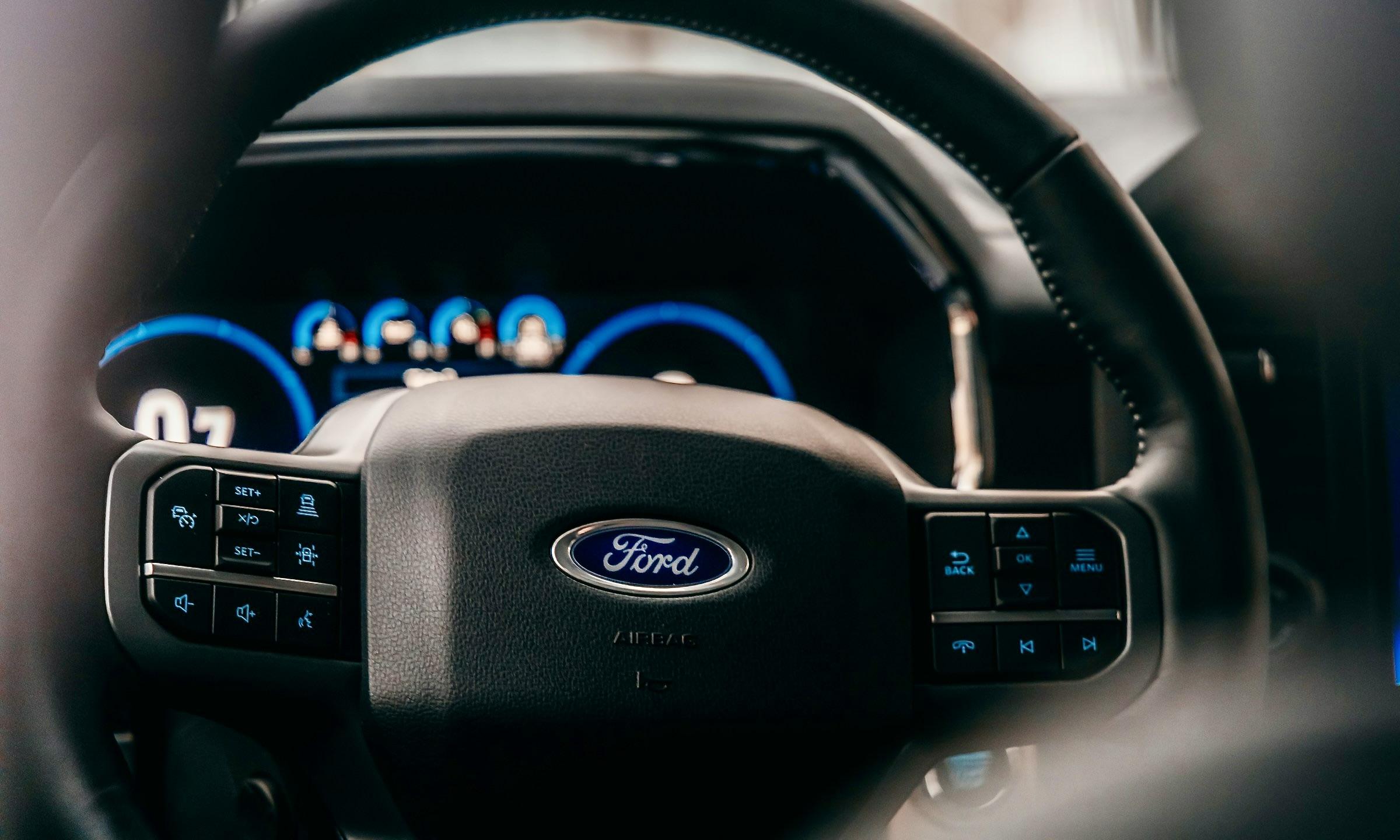
Ford Motor Company has decided to withdraw a planned program that would have enabled dealers to offer a $7,500 federal tax credit on electric vehicle (EV) leases after the credit’s expiration on September 30. The move follows a similar decision by General Motors earlier this week, signaling a strategic shift among major U.S. automakers in response to policy scrutiny and evolving EV market dynamics.
A Ford spokesperson confirmed the company “will not claim the EV tax credit but will maintain the competitive lease payments we have in the market today.” The program was originally designed through Ford Credit, the company’s in-house financing arm, which would purchase EVs from dealer inventory and apply the $7,500 credit toward more affordable lease terms for customers.
GM had planned a nearly identical approach but reportedly ended its initiative following concerns raised by Republican Senator Bernie Moreno of Ohio, a former car dealer active in automotive policy. The specific reason behind Ford’s cancellation remains unclear, though both companies had coordinated their strategies with the Internal Revenue Service (IRS) prior to the decision, according to previous Reuters reports.
While Ford and GM have halted their programs, other automakers such as Hyundai and Stellantis continue to offer cash incentives to offset the loss of the federal credit. Ford still provides financing incentives for buyers, including 0% interest for 72 months on select EV models.
Industry leaders remain divided on the implications. Ford CEO Jim Farley has warned that EV demand could drop significantly without the tax credit, while Hyundai Motor North America’s CEO maintains confidence in the market’s long-term resilience.
The move underscores the challenges facing U.S. automakers as they navigate regulatory shifts, fluctuating consumer demand, and increasing competition in the electric vehicle sector.







