


 Global Markets Slide as AI, Crypto, and Precious Metals Face Heightened Volatility
  Gold Prices Slide Below $5,000 as Strong Dollar and Central Bank Outlook Weigh on Metals
  Dow Hits 50,000 as U.S. Stocks Stage Strong Rebound Amid AI Volatility
  Vietnam’s Trade Surplus With US Jumps as Exports Surge and China Imports Hit Record
  Singapore Budget 2026 Set for Fiscal Prudence as Growth Remains Resilient
  Asian Markets Slip as AI Spending Fears Shake Tech, Wall Street Futures Rebound
  U.S. Stock Futures Slide as Tech Rout Deepens on Amazon Capex Shock
  Dollar Steadies Ahead of ECB and BoE Decisions as Markets Turn Risk-Off
  Gold and Silver Prices Slide as Dollar Strength and Easing Tensions Weigh on Metals
  Japanese Pharmaceutical Stocks Slide as TrumpRx.gov Launch Sparks Market Concerns
  Dollar Near Two-Week High as Stock Rout, AI Concerns and Global Events Drive Market Volatility
  Oil Prices Slip as U.S.–Iran Talks Ease Supply Disruption Fears
  Oil Prices Slide on US-Iran Talks, Dollar Strength and Profit-Taking Pressure
  Fed Governor Lisa Cook Warns Inflation Risks Remain as Rates Stay Steady
  Japan Economy Poised for Q4 2025 Growth as Investment and Consumption Hold Firm
  Asian Stocks Slip as Tech Rout Deepens, Japan Steadies Ahead of Election
  Trump Signs Executive Order Threatening 25% Tariffs on Countries Trading With Iran


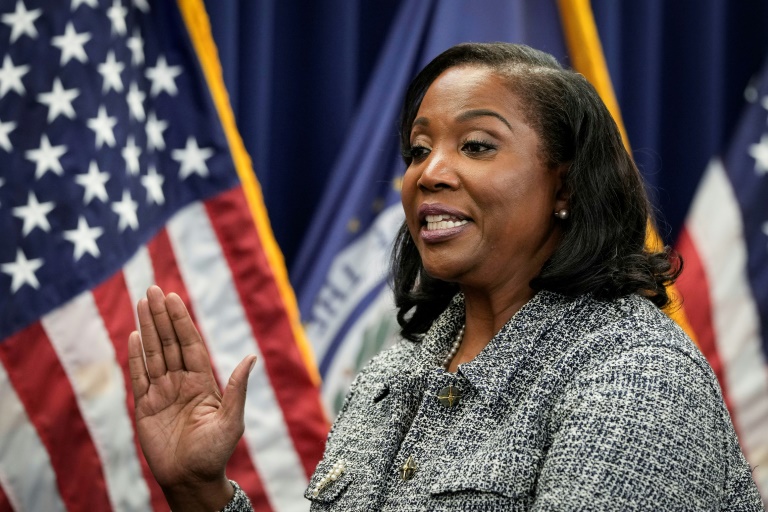
Federal Reserve Governor Lisa Cook endorsed the recent 50 basis-point interest-rate cut, emphasizing the need to address "downside risks" to employment.
“I wholeheartedly supported the decision,” Cook said in remarks at The Ohio State University. “The decision reflected growing confidence that, with an appropriate recalibration of our policy stance, the solid labor market can be maintained alongside moderate economic growth and inflation continuing to move sustainably down to our target.” The Wall Street Journal thoroughly explained this in an article on their official site.
Cook voted with an 11-1 majority on September 18 to reduce the policy rate. Her comments primarily addressed artificial intelligence’s impact on jobs and productivity but did not delve into the specifics of future rate decisions, as stated also by the Federal Reserve.
“In considering the path of policy moving forward, I will be looking carefully at incoming data, the evolving outlook, and the balance of risks,” she said, aligning with the Fed’s language in its recent rate-cut statement.
U.S. Labor Market Slows Down
The U.S. labor market remains “solid” but has slowed, with the unemployment rate rising to 4.2% from its low of 3.4%. As stated also by Reuters, Cook noted that the balancing of labor demand and supply may make it harder for some individuals to find employment, particularly less-educated and minority workers, who are more affected by economic downturns.
Inflation Nears Fed Target
Cook also mentioned that inflation has eased, with a 2.5% rise over the 12 months through July, which is “notably closer” to the Fed's 2% target than a year ago.
“The return to balance in the labor market between supply and demand, as well as the ongoing return toward our inflation target, reflects the normalization of the economy after the dislocations of the pandemic,” she said. “This normalization, particularly of inflation, is quite welcome, as a balance between supply and demand is essential for sustaining a prolonged period of labor-market strength.”













