


 OpenAI AI Agent Swarm Behind Hugging Face Hack
  Nvidia Revenue Soars 106% as AI Demand Hits ‘Inflection Point’
  HP Stock Drops 9% Despite Q3 Earnings Beat and Raised 2026 Outlook
  PayPal Shares Sink as $50 Billion Takeover Bid Collapses
  SoftBank Plans Record $6.3 Billion Bond Sale to Fund OpenAI Investments
  Faraday Future Delivers First Robots in Middle East, Plans September Launches
  BofA Names ASML Top Semiconductor Equipment Pick on Growth, Valuation
  Countries Tighten Social Media Bans for Children
  New Zealand Labour Backs Social Media Ban for Under-16s
  SK Hynix Shares Fall as Workers Reject Wage Deal
  New Zealand Moves to Ban Social Media for Children Under 16
  Nvidia Eyes Perplexity Investment at $30 Billion Valuation
  Pinterest Stock Falls as CFO Julia Brau Donnelly Resigns
  Meta, U.S. States Discuss Settlement in Teen Addiction Trial
  U.S. Disrupts China-Linked Hacking Campaign Targeting Government Agencies
  U.S. Probes Apex Logistics Over Nvidia AI Chip Shipments to China
  Samsung Shares Tumble 8% as $79 Billion Return Plan Disappoints


 Add as a preferred source on Google
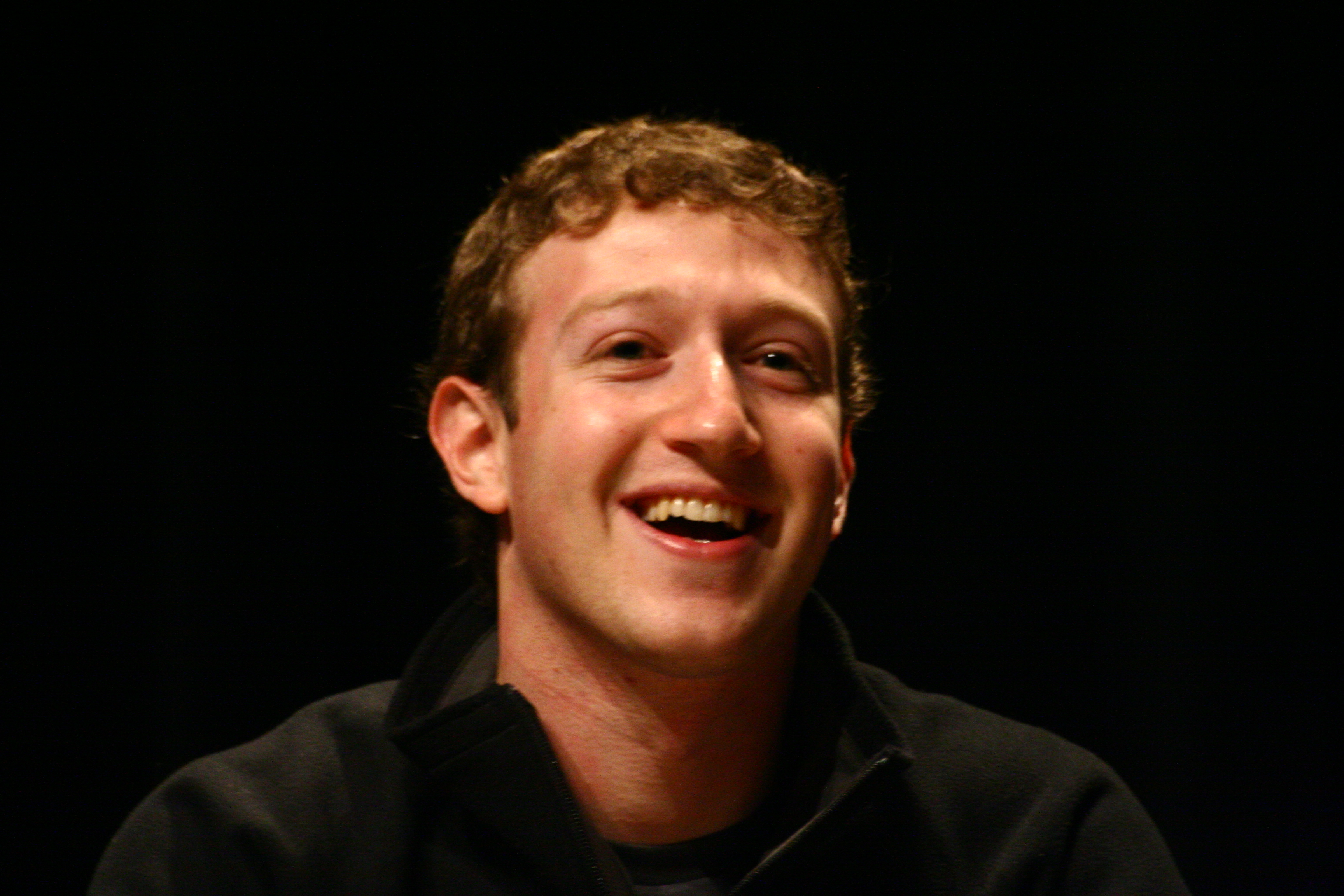
Mark Zuckerberg is often heard proudly crowing about Facebook’s commitment to free speech, but many would agree that there is a limit. For example, pornographic content and posts encouraging drug abuse should be excellent candidates for being banned from the platform. Yet it took the social network only now to actually start doing it, demonetizing all contents involving porn, drugs, hate, and violence.
Posting some new rules that it will be imposing on content creators from now on, Facebook outlined what it expects from the people that are going to be putting videos, articles, photos, and more on its platform. The post also has a notable emphasis on being as advertiser friendly as possible, thereby emulating Google’s policies.
“To use any of our monetization features, you must comply with Facebook’s policies and terms, including our Community Standards, Payment Terms, and Page Terms. Our goal is support creators and publishers who are enriching our community. Those creators and publishers who are violating our policies regarding intellectual property, authenticity, and user safety, or are engaging in fraudulent business practices, may be ineligible to monetize using our features,” the post reads.
Many are also taking the move to be Facebook’s way of earning back the trust of marketers, who seem to be under the impression that the social media site is not as transparent and as responsible as it should be. Ad Week asks the question as to whether or not it’s far too late for that.
For example, there was that recent revelation that Russian entities actually paid Facebook $100,000 to run anti-Hillary Clinton and pro-Donald Trump ads back during the 2016 presidential election. It would be rather difficult to come back from that, especially considering just how sensitive the issue is right now in the US. Making moves on inappropriate content is a good move, but it’s one that Facebook should have arguably done long before now.







