


 After the Iran war, Persian Gulf nations face tough decisions on the US – a former diplomat explains
  Ukraine Strikes Russian Missile Component Factory in Bryansk Using British Weapons
  Pentagon Taps Wall Street Talent to Manage $200 Billion Defense Investment Fund
  Japan's BOJ Independence Under Fire as PM Takaichi's Rate Stance Draws Political Heat
  U.S. and Russia Hold Diplomatic Talks in Florida Amid Ongoing Tensions
  Russian Drone Strikes Hit Kharkiv and Dnipro, Injuring Over 20 Civilians
  Trump Doubts Iran Mining Reports as Strait of Hormuz Tensions Escalate
  U.S.-Israel War on Iran Sends Crude Oil Prices Surging Amid Strait of Hormuz Tensions
  Trump Announces New U.S. Oil Refinery in Texas with Indian Energy Giant Reliance
  Venezuela Names Paula Henao as New Oil Minister Amid U.S.-Led Industry Overhaul
  Israel-Iran War: Herzog Urges Patience as U.S. and Israeli Strikes Intensify
  U.S. Senate Greenlights AI Chatbots for Official Staff Use
  Shots Fired at U.S. Consulate in Toronto in Suspected National Security Incident
  Mexico's Electoral Reform Bill Fails in Congress as Coalition Fractures
  Trump Hints at Possible U.S. Takeover of Cuba Amid Deepening Humanitarian Crisis
  Boeing Secures $289 Million Smart Bomb Contract With Israel


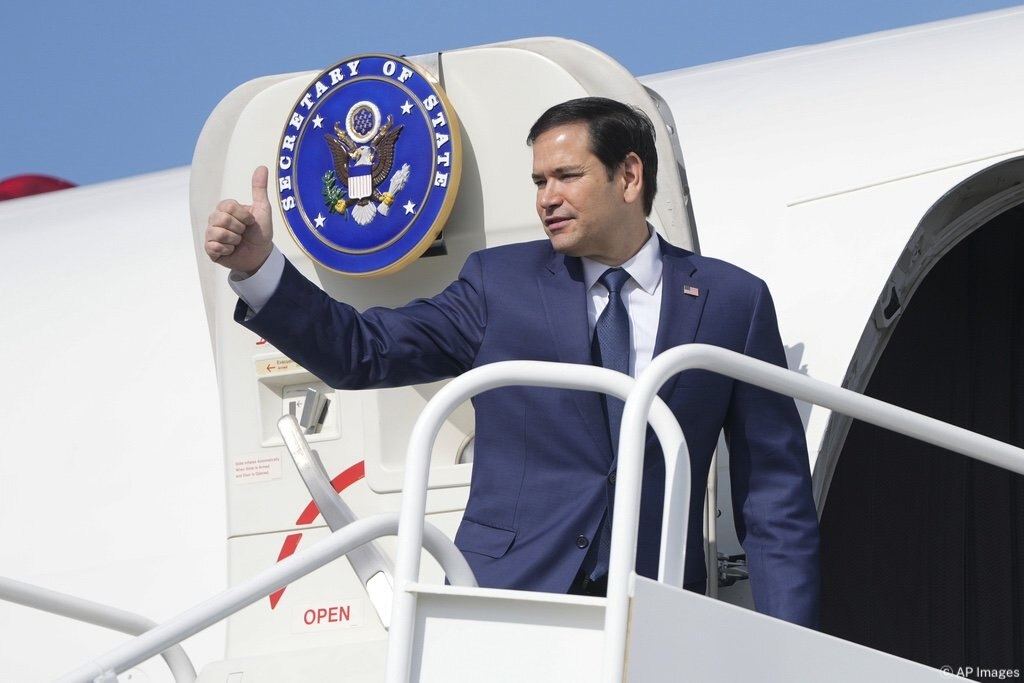
U.S. Secretary of State Marco Rubio struck a conciliatory yet candid tone at the Munich Security Conference, describing the United States as the “child of Europe” and calling for renewed unity within the transatlantic alliance. His keynote address, delivered after a year of strained diplomatic ties, drew largely positive reactions from European leaders, who emphasized shared values, international law, and the importance of a strong Europe within NATO.
European Commission President Ursula von der Leyen said she felt reassured by Rubio’s remarks, describing him as a “strong ally” and trusted partner. She acknowledged that some members of the current U.S. administration have adopted a tougher stance toward Europe, but highlighted Rubio’s clear message supporting “a strong Europe in the Alliance.” According to von der Leyen, strengthening Europe’s role within NATO remains a central priority for the European Union.
French Foreign Minister Jean-Noël Barrot also welcomed Rubio’s reference to a shared transatlantic legacy. He noted that global challenges—from security threats to geopolitical instability—cannot be addressed by any single nation, regardless of its power or wealth. While Barrot appreciated the tone of the speech, he stressed that Europe’s long-term strategy remains unchanged: building a strong and independent Europe capable of acting decisively on the world stage.
German Foreign Minister Johann Wadephul described Rubio as a reliable partner and praised his commitment to the international rules-based order, particularly the United Nations. He underscored the need for reform to make global institutions more effective, echoing Rubio’s call for forward-looking cooperation.
Finnish Foreign Minister Elina Valtonen expressed satisfaction with both the tone and substance of the speech, emphasizing Europe’s commitment to shared democratic values, international law, and collective security.
Overall, Rubio’s address at the Munich Security Conference reinforced the importance of U.S.-Europe relations, NATO unity, and transatlantic cooperation amid evolving global challenges.













