


 NASA and SpaceX Target Crew-11 Undocking From ISS Amid Medical Concern
  Anthropic’s Claude Discovers CRISPR-Like Enzyme System
  China vs. NASA: The New Moon Race and What's at Stake by 2030
  Trump Administration to Launch Autism Initiatives Targeting Acetaminophen Use and New Treatment Options
  Xi Calls for Deeper U.S.-China AI Cooperation in Trump Talks
  Former OpenAI Data Center Chief Chris Malone Joins Nvidia
  Blue Origin New Glenn Rocket Explodes During Launch Pad Test, Delaying Space Ambitions
  FDA Pilot Program Eases Rules for Nicotine Pouch Makers
  SpaceX Pivots Toward Moon City as Musk Reframes Long-Term Space Vision
  Tencent Launches TenPayGo Payment App for Foreign Tourists in China
  Meta Found Liable in New Mexico Facebook Data Privacy Case
  Is space worth the cost? Accounting experts say its value can’t be found in spreadsheets


 Add as a preferred source on Google
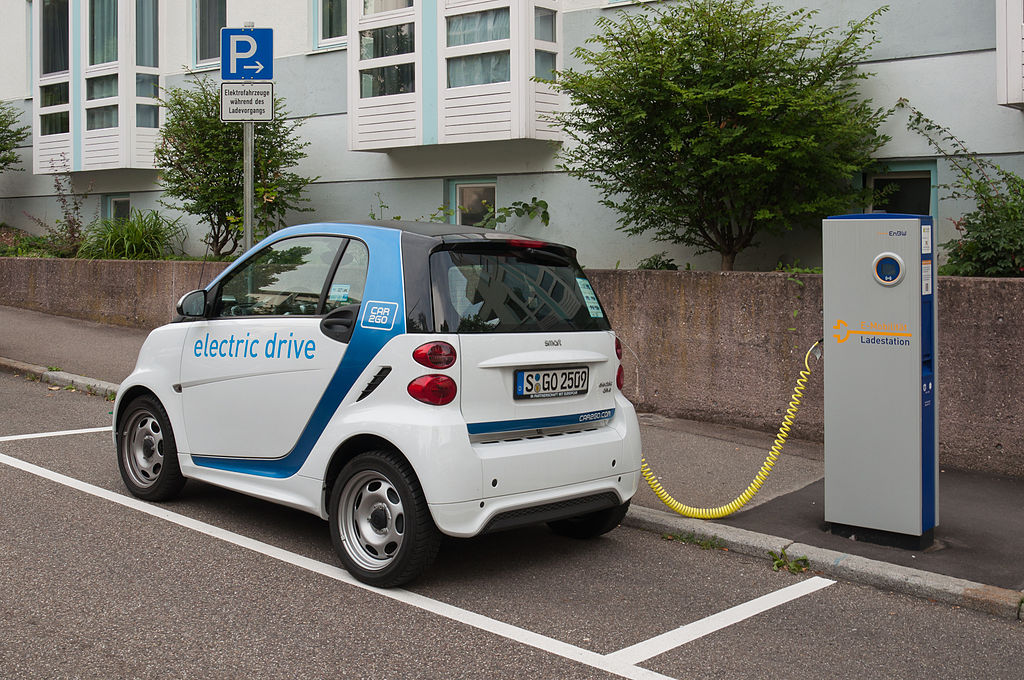
It seems there is one more reason to get an electric car other than to protect the environment. According to researchers, vehicles running on electricity can also power buildings without suffering battery drain or degradation. The secret seems to rely on the creation of a smart grid, which involves regulating power output and consumption within a given ecosystem.
The findings are a result of a two-year research program by a team from the University of Warwick, with Dr. Kotub Uddin in the lead. According to the press release pertaining to the study, the so-called “Smart Grid” is calculated to draw just enough energy from the electric vehicles to power entire buildings without negatively impacting the batteries.
“These findings reinforce the attractiveness of vehicle-to-grid technologies to automotive Original Equipment Manufacturers: not only is vehicle-to-grid an effective solution for grid support – and subsequently a tidy revenue stream - but we have shown that there is a real possibility of extending the lifetime of traction batteries in tandem,” Dr. Uddin said about the research. “The results are also appealing to policy makers interested in grid decarbonisation.”
What really makes this development so amazing is the fact that it can actually improve the battery life of the vehicles that use giant Li-ion units by up to 10 percent. As a result, there is practically no downside to using this system if it actually works as the researchers claim.
The subject of their test included the International Digital Laboratory on the University campus. The targets of the experiment were the staff quarters, the auditorium, which seats 100 people, laboratories, and meeting rooms. The researchers wanted to power all of these chambers using just the parked electric cars that they were drawing power from, Futurism notes.
The result was a huge success and this is by using only about 2.1 percent of the total number of cars on campus grounds. If that number were higher, the vehicles could potentially power every single building inside the University.







