


 Dollar Near Two-Week High as Stock Rout, AI Concerns and Global Events Drive Market Volatility
  Gold and Silver Prices Climb in Asian Trade as Markets Eye Key U.S. Economic Data
  U.S. Stock Futures Rise as Markets Brace for Jobs and Inflation Data
  Asian Stocks Slip as Tech Rout Deepens, Japan Steadies Ahead of Election
  Trump Signs Executive Order Threatening 25% Tariffs on Countries Trading With Iran
  Indian Refiners Scale Back Russian Oil Imports as U.S.-India Trade Deal Advances
  Russian Stocks End Mixed as MOEX Index Closes Flat Amid Commodity Strength
  Vietnam’s Trade Surplus With US Jumps as Exports Surge and China Imports Hit Record
  India–U.S. Interim Trade Pact Cuts Auto Tariffs but Leaves Tesla Out
  Oil Prices Slip as U.S.-Iran Talks Ease Middle East Tensions
  Bank of Japan Signals Readiness for Near-Term Rate Hike as Inflation Nears Target
  Singapore Budget 2026 Set for Fiscal Prudence as Growth Remains Resilient
  China Extends Gold Buying Streak as Reserves Surge Despite Volatile Prices
  U.S. Stock Futures Slide as Tech Rout Deepens on Amazon Capex Shock
  UK Starting Salaries See Strongest Growth in 18 Months as Hiring Sentiment Improves
  Nikkei 225 Hits Record High Above 56,000 After Japan Election Boosts Market Confidence
  Japanese Pharmaceutical Stocks Slide as TrumpRx.gov Launch Sparks Market Concerns


Egypt exceeded the International Monetary Fund’s (IMF) expectations during the COVID-19 pandemic, prompting the latter to raise its estimate of the country's economic growth rate from 2 percent during the last fiscal year to 3.5 percent.
Egypt is expected to achieve a primary surplus of 0.4 percent of GDP during the current fiscal year, rising to 2.1 percent during 2022-23, and 2 percent until 2025.
The IMF also expects a decline in Egypt's overall GDP deficit to 5.2 percent during 2022-23 and 3.8 percent by the 2024-25 fiscal year, reflecting the ability to effectively deal with local and international variables.
State revenues are also seen increasing by 20 percent this fiscal until 2024-25, a hike from last year's 19.2 percent.
Meanwhile, public expenditures are expected to dip from 28.4 percent last year to 25.4 percent in the current fiscal year.
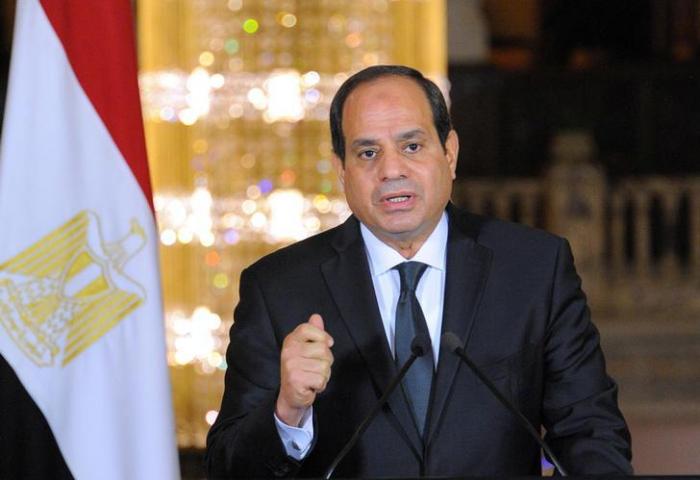
Egyptian Finance Minister Mohamed Maait attributed the economic reforms adopted by President Abdel Fattah El-Sisi for allowing the country's better-than-expected performance.
Maait added that much of that was possible by the flexible handling of the pandemic, with Egypt adopting a proactive policy of allocating 2 percent of its gross domestic product (GDP) to support the most vulnerable economic sectors and groups.
Maait pointed out that the annual growth rate of revenues surged to 18.4 percent in the third quarter of the year.
According to Maait, the state’s general budget recorded a slight initial surplus of $6.39 million during the first quarter of the current fiscal year, despite the pandemic's impact.
Consequently, the country was able to meet the needs of the health sector and all budgetary bodies, while increasing government investments and satisfying pension fund dues.













