


 Middle East War Rattles Global Markets as Oil Tops $100 and Dollar Surges
  Gold Prices Climb as Middle East Ceasefire Talks Stir Market Optimism
  Asian Currencies Stay Muted as Dollar Holds Firm Amid Iran Uncertainty
  Gold Prices Surge on U.S.-Iran Ceasefire Reports
  Asian Currencies Weaken as Dollar Rebounds Amid Middle East Uncertainty and Japan Inflation Data
  Australia's Inflation Eases in February but Core Pressures Persist
  U.S. Dollar Weakens as Trump Signals Iran Deal Possibility
  Oil Prices Rebound as Iran Denies U.S. Talks Amid Gulf War Supply Fears
  Iran-Israel Missile Strikes Continue Amid Mixed Signals on U.S.-Iran Diplomacy
  Oil Prices Rebound as Iran Denies U.S. Talks, Middle East Tensions Persist
  Bank of Japan Eyes April Rate Hike Despite Inflation Dip, ING Says
  Suspicious Oil Market Trades Precede Trump's Iran Peace Post by 15 Minutes
  U.S. Futures Slide as Iran Denies Nuclear Talks with Washington
  Bank of Japan Officials Signal Continued Interest Rate Hikes Amid Inflation Concerns
  Wall Street Slides as Iran War Uncertainty, Oil Surge, and AI Fears Rattle Markets
  Oil Prices Climb as Iran Reviews U.S. Peace Proposal Amid Middle East Tensions


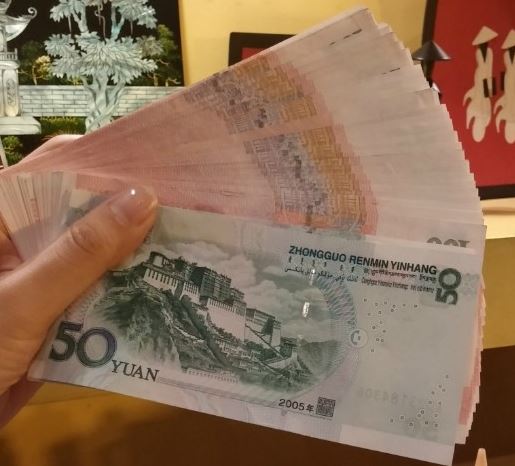
European companies are under growing strain from China’s alleged efforts to keep its yuan undervalued, according to a new study by Germany’s Economic Institute (IW). The findings emerge just as EU leaders prepare for a crucial summit in Beijing to address escalating trade tensions.
The study, authored by economist Juergen Matthes and reviewed by Reuters, points to a stable yuan-euro exchange rate despite sharp changes in production costs between China and Europe. This stability, Matthes argues, signals possible currency manipulation by the People’s Bank of China. He warns that artificially low Chinese costs are luring European firms to source intermediate goods from China, accelerating Europe’s deindustrialization and widening trade deficits.
Matthes notes that producer prices in Germany and the eurozone have surged since 2020 due to supply chain disruptions and energy shocks, while Chinese prices have remained flat. Despite this divergence, the yuan’s exchange rate has barely shifted, resulting in a real euro appreciation of over 40% since early 2020.
The report highlights the competitive disadvantage facing European companies that avoid Chinese supply chains, as rivals benefit from lower input costs. It urges EU policymakers to address the imbalance during upcoming trade negotiations.
China has consistently denied currency manipulation allegations, maintaining that it operates a managed floating exchange rate system tied to market conditions. However, Matthes describes Beijing’s currency policies as opaque, with the euro suffering “collateral damage” as China prioritizes dollar relations.
The EU-China summit begins Thursday amid heightened scrutiny of trade imbalances and a surge in Chinese exports diverted from the U.S. market following recent tariff escalations by Washington.













