


 Fed Rate Hike Threatens Housing as U.S. Growth Leans on AI, Citi Says
  Best Gold Stocks to Buy Now: AABB, GOLD, GDX
  Yen Sinks as BOJ Rate Hike Fails to Impress Markets
  Australia Consumer Confidence Plunges as RBA Rate Hike Hits Households
  RBI Rate Hike Bets Surge as Inflation Rises
  Trump Demands Powell Resign Over Fed Renovation Cost Overruns
  Gold Prices Fall Amid Rate Jitters; Copper Steady as China Stimulus Eyed


 Add as a preferred source on Google
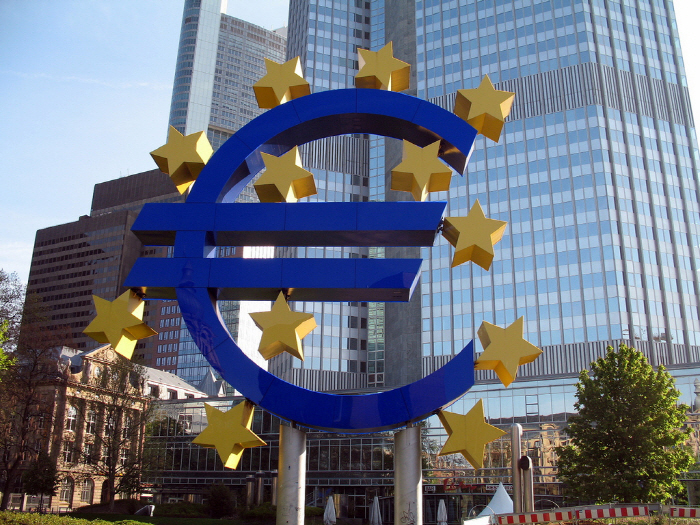
ECB is widely expected to remain unchanged at its January meeting and press conference (Thursday), but dovish rhetoric is likely to exert downward pressure on the currency. Tightening in financial conditions that has occurred since its December meeting, including 5% EUR NEER appreciation is likely to be seen as a main concern.
President Draghi and Executive Board Member Cœuré are also likely to echo the same dovish message when they speak at the World Economic Forum in Davos, Switzerland on Friday. New measures, including further QE and/or deposit rate cuts, are unlikely to be deployed before June, unless there is another bout of euro appreciation or a further significant drop in inflation expectations.
"With EA core inflation and market measures of inflation expectations remaining extremely low (the EA 5-year forward, 5-year breakeven inflation rate is about 1.6%, versus above 1.8% in early December), we continue to think longer or greater policy accommodation is likely, which should weigh heavily on the EUR," notes Barclays in a research note.







