


 Israel Approves West Bank Measures Expanding Settler Land Access
  Bosnian Serb Presidential Rerun Confirms Victory for Dodik Ally Amid Allegations of Irregularities
  China Warns US Arms Sales to Taiwan Could Disrupt Trump’s Planned Visit
  Nicaragua Ends Visa-Free Entry for Cubans, Disrupting Key Migration Route to the U.S.
  Sydney Braces for Pro-Palestine Protests During Israeli President Isaac Herzog’s Visit
  Ohio Man Indicted for Alleged Threat Against Vice President JD Vance, Faces Additional Federal Charges
  JPMorgan Lifts Gold Price Forecast to $6,300 by End-2026 on Strong Central Bank and Investor Demand
  U.S. to Begin Paying UN Dues as Financial Crisis Spurs Push for Reforms
  Antonio José Seguro Poised for Landslide Win in Portugal Presidential Runoff
  Trump Backs Nexstar–Tegna Merger Amid Shifting U.S. Media Landscape
  Nasdaq Proposes Fast-Track Rule to Accelerate Index Inclusion for Major New Listings


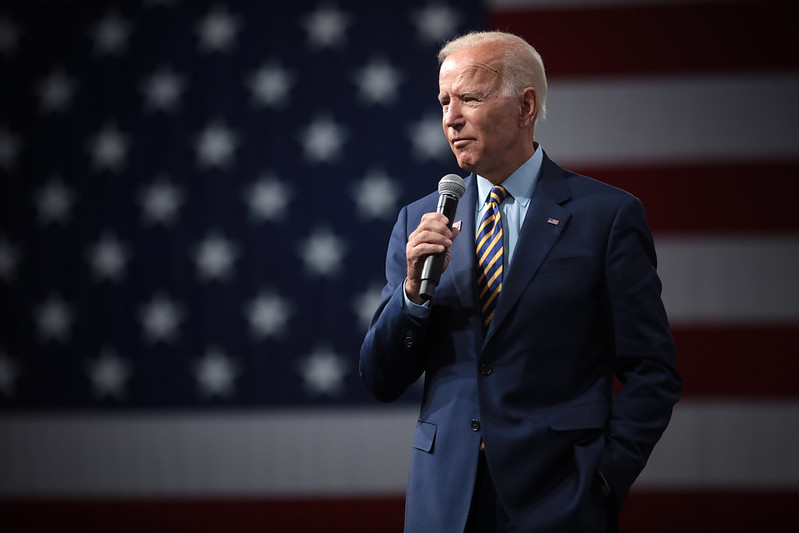

As presumptive Democratic presidential nominee Joe Biden gets set to pick his vice presidential candidate, here’s a reality check: Running mates have very little direct effect on voters. When people go to the polls, they are primarily expressing a preference for the presidential candidate, not the second person on the ticket.
In our new book, “Do Running Mates Matter?,” my collaborator Kyle Kopko and I analyze half a century of political science survey data to examine what effect a running mate has on the success of presidential candidates.
In general, voters are very unlikely to choose a presidential ticket simply because they like or dislike the second-in-command.
On rare occasions, voters can be swayed by running mates who are much more – or less – popular than their party’s main candidate. For instance, John Kerry’s vice presidential candidate in 2004, former North Carolina Sen. John Edwards, was relatively popular with voters early in the campaign. And, as our research shows, Edwards’ popularity made voters more likely to vote for Kerry, at least in the short term.
Some political analysts believe a vice presidential selection could draw key voters from that person’s own demographic group or their home state. We found that rarely happens, either.
[Deep knowledge, daily. Sign up for The Conversation’s newsletter.]
However, we found that voters view vice presidential choices as new information about the main candidate – and that information can shift voters’ views and change votes. The candidate’s choice gives voters insight into who the candidate really is, what he or she stands for and how the person might operate once in office.
Take the 2008 presidential election, for example, when Democrat Barack Obama ran against Republican John McCain with Joe Biden and Sarah Palin as their respective vice presidential nominees.
In our book, we demonstrate that voters who doubted Palin’s qualifications also were more likely to doubt McCain’s judgment and think he was too old to be president. As a result, they were less likely to vote for McCain.

John McCain, right, picked Sarah Palin, second from left, as his running mate in 2008. Rachael Dickson/Wikimedia Commons, CC BY
Conversely, our analysis also showed that voters who believed Biden was well qualified for office were more likely to approve of Obama’s judgment – and less likely to think he was too young to be president. As a result, they were more likely to vote for Obama.
In 2020, Joe Biden is already well known as an experienced former vice president, so it’s unlikely his running mate will outshine him on her own. But with this choice, Biden has a valuable opportunity to define himself as a candidate – and a potential president – in his own right.
What does he really stand for? What are his political priorities? And does he have the good judgment to be president?
Biden’s selection will help voters to answer these questions – and to decide whether he deserves their support in November.
Editor’s note: This is an adapted version of an earlier article by Christopher Devine and Kyle Kopko originally published on May 7, 2020.














