


 US Backs Musk in Fight Against EU’s €120 Million X Fine
  What’s so special about Ukraine’s minerals? A geologist explains
  Oil Prices Surge as U.S.-Iran Diplomacy Hopes Fade
  China Reviews Broadcom Switch Use in State Data Centres
  RBI Uses $10 Billion Currency Swaps to Drain Excess Rupee Liquidity
  Meta Partners With Shopify to Bring Shop Pay Checkout to Muse AI
  Swimming in the sweet spot: how marine animals save energy on long journeys
  GesiaPlatform Launches Carbon-Neutral Lifestyle App ‘Net Zero Heroes’
  Wall Street Ends Flat as Oil, Treasury Yields and Fed Jitters Rattle Markets
  Asian Currencies Mixed as Dollar Holds Near Two-Month High
  Goldman Sachs Names Simon Lyons UK Investment Banking Co-Head
  U.S. 10-Year Treasury Yield Hits 2007 High as Fed Rate Hike Bets Rise
  Oracle Shares Fall as New Mexico AI Data Center Faces Power Delays
  McDonald’s Sees Flat Traffic, Sticky Inflation as New Normal
  Unsustainable – or manageable? We don’t yet know how data centres will impact Australia’s environment
  Thousands of satellites are due to burn up in the atmosphere every year – damaging the ozone layer and changing the climate


 Add as a preferred source on Google
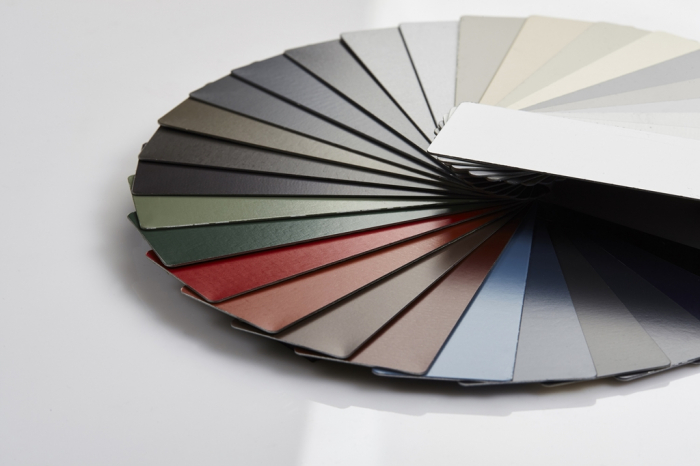
Dongkuk Steel Mill Co. had developed a solvent-free colored steel plate dubbed Luxteel Biomass Uniglass that reduced carbon emissions by over 80 percent by adding ultraviolet (UV) curing technology on top of the solvent-free biomass paint.
Colored steel plates are usually painted with material made from petroleum-based solvents, which emit greenhouse gases such as carbon dioxide when heated.
What Dongkuk Steel, South Korea’s third-largest steelmaker, did was to replace petroleum-based solvents with solvent-free biomass paint.
Meanwhile, UV curing technology, an eco-friendly manufacturing tech that Dongkuk Steel introduced last year for making colored steel plates, replaced its liquid natural gas (LNG) heat-curing tech.
Dongkuk Steel will conduct demonstrations with major clients and hold discussions on product development In March before bringing the technology to market later this year.
Luxteel Biomass Uniglass can be utilized for a variety of home appliances, including televisions, refrigerators, and washing machines as well as elevators and buildings, the steelmaker said.







