


 U.S. Markets Slip Amid Iran Conflict Uncertainty as Oil Prices Retreat
  Asia FX Steady as Iran War Signals and U.S. Inflation Data Weigh on Sentiment
  ANZ and Westpac Forecast Two RBA Rate Hikes in March and May 2026
  IEA Plans Record Emergency Oil Release Amid Iran Strait of Hormuz Crisis
  Iran-Israel War Sparks Global Oil Crisis as Tankers Burn in Gulf Waters
  Asian Stock Markets Rise as Oil Prices Pull Back; U.S. CPI in Focus
  German Exports Drop 2.3% in January, Exceeding Forecast Decline
  Asian Markets Retreat as Oil Prices Surge Toward $100 Amid Middle East Tensions
  Dollar Strengthens Amid Oil Price Surge and Inflation Fears
  UK Housing Market Slows Amid Geopolitical Tensions and Mortgage Rate Fears
  RBA Rate Decision: Deputy Governor Signals Genuine Debate Ahead of March Meeting
  Bank of Japan Expected to Hold Rates at 0.75% Before June Hike Amid Middle East War Uncertainty
  U.S. Futures Slide as Oil Prices Surge on Middle East Shipping Attacks
  Gold Prices Slip as U.S.-Israel-Iran War Fuels Dollar and Oil Demand
  U.S.-Israel War on Iran Sends Crude Oil Prices Surging Amid Strait of Hormuz Tensions
  U.S. Solar Market Contracts in 2025 as Trump Rolls Back Renewable Energy Incentives
  Diesel Price Surge Threatens Global Economy Amid Middle East Conflict


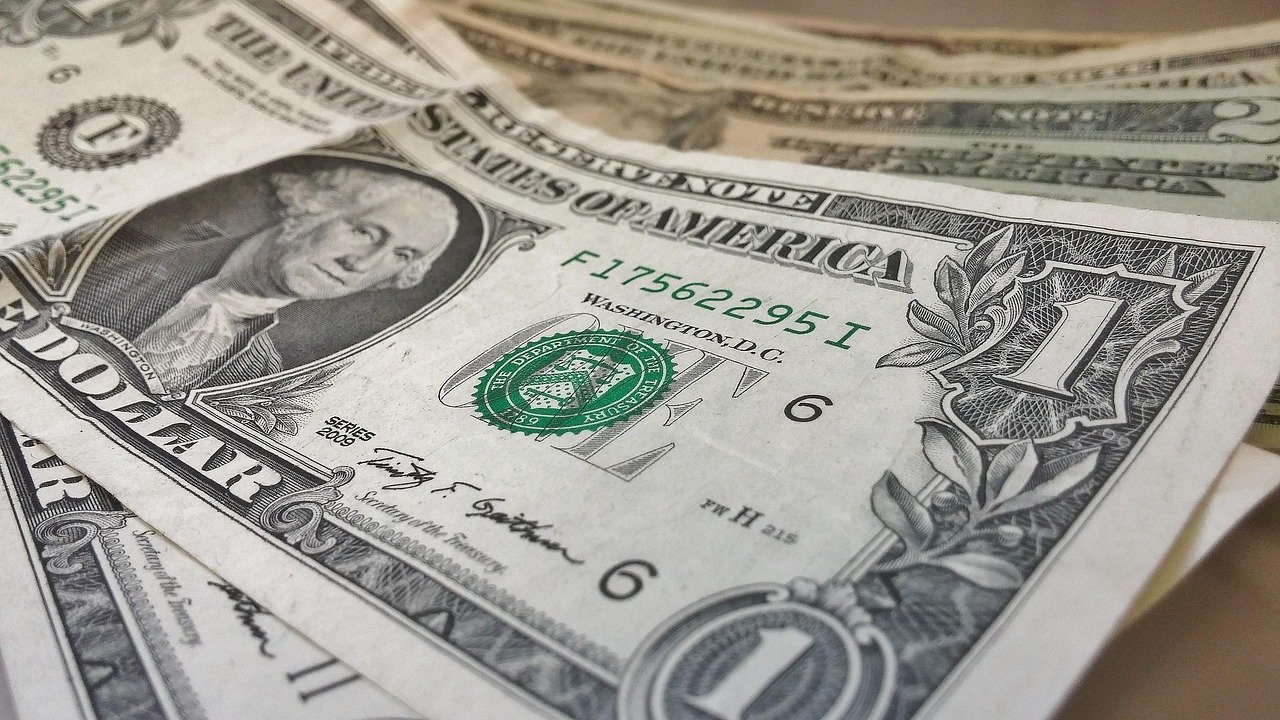
The U.S. dollar weakened on Monday as investors turned cautious following renewed tariff threats from U.S. President Donald Trump, triggering a broad risk-off move across global markets. Safe-haven currencies such as the Japanese yen and Swiss franc gained sharply as concerns grew over escalating trade tensions between the United States and Europe.
Over the weekend, Trump announced plans to impose an additional 10% import tariff starting February 1 on goods from Denmark, Norway, Sweden, France, Germany, the Netherlands, Finland, and Britain. The tariffs, he said, would remain in place until the United States is allowed to buy Greenland. The remarks immediately drew strong criticism from major European Union countries, with France describing the move as economic blackmail and proposing unprecedented countermeasures in response.
In early Asian trading, the foreign exchange market initially reacted by selling the euro and British pound. The euro briefly fell to a seven-week low, while sterling touched a one-month trough. However, as trading progressed, sentiment shifted and the dollar came under pressure instead, reflecting growing investor unease about U.S. political and trade policy risks.
The euro rebounded to around $1.1618, while the British pound recovered to approximately $1.3387. Analysts noted that although tariffs typically weigh on targeted currencies, recent history suggests that heightened policy uncertainty originating from the United States often results in dollar weakness. Similar dynamics were seen last year following Trump’s “Liberation Day” tariff announcements, which triggered a selloff in U.S. assets.
The dollar fell against traditional safe havens, sliding to near 0.7989 versus the Swiss franc and weakening to around 157.63 yen. The dollar index hovered close to 99.17, indicating subdued overall performance.
Risk-sensitive currencies showed mixed moves, with the Australian dollar edging lower while the New Zealand dollar posted modest gains. Meanwhile, cryptocurrencies reflected the risk-off mood, as bitcoin dropped to a one-week low and ether recorded steeper losses.
Overall, markets appear to be pricing in higher political risk premiums for U.S. assets, underscoring concerns that aggressive trade rhetoric could undermine confidence in the dollar and global financial stability.













