


 Maria Corina Machado Vows Return to Venezuela After Earthquakes Despite Obstacles
  Andy Burnham Sets Out Vision to Decentralize Britain as Labour Leadership Race Begins
  Mexico, U.S. Launch Sterile Fly Facility to Combat New World Screwworm Outbreak
  Trump Announces September Overhaul of Washington’s East Potomac Golf Links
  Russian Attacks on Dnipro, Zaporizhzhia, and Kharkiv Kill 10 as Ukraine Vows Response
  Serbia Protests Continue as Thousands Rally Despite Vucic’s Resignation Plan
  Ukraine Strikes Russian Titan-Barrikady Plant With Long-Range FP-5 Flamingo Missile
  Australia, Vanuatu Sign Security Pact Amid Pacific Influence Competition
  US, Iran Agree to Halt Attacks Ahead of Doha Talks on Strait of Hormuz
  US Strikes Iran Again After Strait of Hormuz Tanker Attack Escalates Ceasefire Tensions
  Sheinbaum Says No One Is Above the Law After Abuse Video of Ex-Pemex Chief Emerges
  Taiwan Coast Guard Officer Finds Strength in Faith as China Increases Pressure in Taiwan Strait
  Russia Intensifies Assault on Kostiantynivka as Ukraine’s Donetsk Defense Faces Mounting Pressure
  Trump Suspends Some Morocco Fertilizer Tariffs to Ease U.S. Supply Shortage
  Despite its best efforts, Iran won’t be able to toll the Strait of Hormuz. Here’s why
  Trump Questions Housing Bill as He Prioritizes SAVE America Act


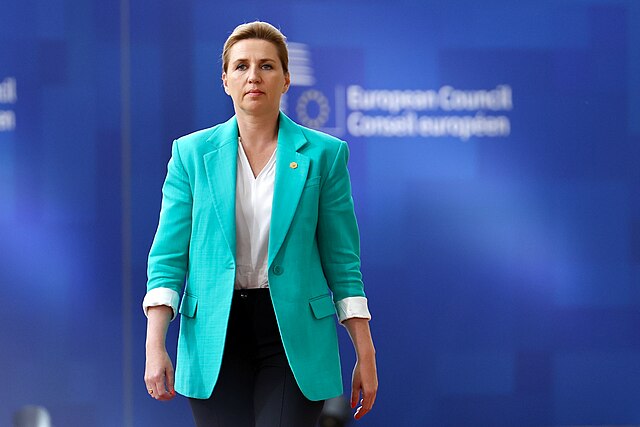
Denmark Prime Minister Mette Frederiksen has secured a third consecutive term in office after reaching an agreement to form a new centre-left coalition government, ending months of political uncertainty following the country’s March parliamentary election.
Frederiksen, leader of the Social Democratic Party, announced on Monday that she had informed King Frederik X that a new government was ready to take office after lengthy coalition negotiations. The agreement allows her to maintain power despite her party losing seats in the election and facing growing public dissatisfaction over the rising cost of living.
The Social Democrats remained the largest party in Denmark’s parliament, winning 38 of the 179 seats available, although the result marked a significant decline from their previous total of 50 seats. The fragmented election outcome saw 12 parties gain parliamentary representation, making coalition talks particularly challenging.
After more than two months of negotiations between several political groups, Frederiksen succeeded in securing enough parliamentary support to form a minority government. The new coalition will include the Social Democrats, the Social Liberals, the Left Greens, and the centrist Moderates. The government is expected to rely primarily on support from the far-left Red-Green Alliance to pass legislation, while also seeking cooperation from other parties when necessary.
Frederiksen described the coalition agreement as a long-term platform designed to benefit both current and future generations. Animal welfare, a prominent issue during the election campaign, is expected to remain a key policy focus under the new administration.
The government’s full policy agenda is scheduled to be unveiled on Tuesday, with cabinet ministers expected to be announced the following day.
Among the new government’s most pressing challenges are diplomatic discussions concerning Greenland, following renewed comments from U.S. President Donald Trump regarding the Arctic territory. Denmark is also expected to accelerate military spending and strengthen national defense capabilities as European security concerns continue to rise amid the ongoing war in Ukraine.
The formation of the new coalition marks a notable shift toward the political left compared with Frederiksen’s previous government, which included parties from both the left and right of Denmark’s political spectrum.







