


 US-Led Coalition Targets Global Factory Overcapacity
  Mike Rogers Calls for End to US-Canada Tariff War
  Deere, CNH and AGCO Stocks Fall as FTC Launches Farm Equipment Probe
  Australia Consumer Confidence Plunges as RBA Rate Hike Hits Households
  US Dollar Hits 18-Month High as Fed Signals More Rate Hikes
  France to Release 10 Million Barrels of Diesel to Ease Fuel Prices
  Trump Opens Tax-Exempt Dyed Diesel Access as Fuel Prices Surge
  Asian Currencies Mixed as Yen Weakens, Dollar Holds Firm
  S&P 500 Hits Record High as AI Rally Lifts Wall Street
  Iran Tanker Attacks Surge as Hormuz Oil Flows Near Prewar Levels
  Gold Prices Rise as Hormuz Tensions Fuel Inflation Risks
  Japan Real Wages Rise 1.5%, Supporting BOJ Rate Hikes


 Add as a preferred source on Google
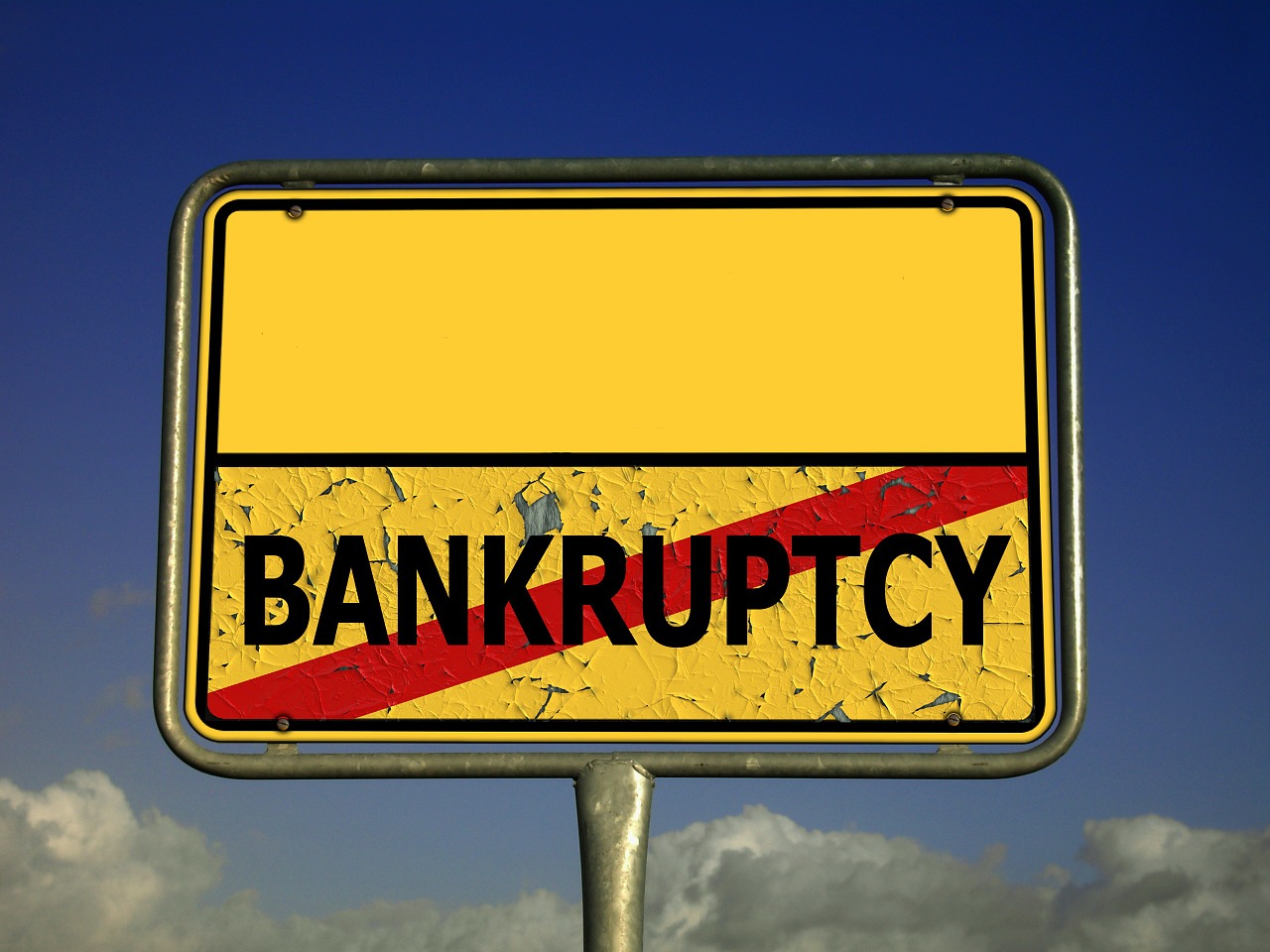
According to latest data from Standard & Poor rating agency, global corporate defaults have reached 70, so far this year, fastest pace of rise since 2009, aftermath of great recession. Data is of May 18th, 2016. After 2009, YTD corporate defaults have never reached above 40, whereas this year it is closing in on last year’s total defaults of 113.
There has been 10 defaults alone in last week, whereas 8 has been from energy and segment. Around 80% of those defaulted are from United States, while half of them are from energy and other natural resources segment, which has been hit hard by price drop in oil and natural gas, along with other global commodities. So far, 29 defaults have occurred in energy segment, 12 from metals, mining and Steel.
With commodities’ operators have fewer options to boost cash flows, other than continuing operations, they remain extremely vulnerable to price fluctuations to the downside and according to Standard & Poor, more defaults are likely to follow.
However, the agency as of now sees little evidence of spillover effects into other segments of the economy, but not ruling the possibility in coming quarters.







