


 Serbia President Aleksandar Vucic to Resign, Calls Early Elections After Months of Protests
  Mexico, U.S. Launch Sterile Fly Facility to Combat New World Screwworm Outbreak
  US, Iran Agree to Halt Attacks Ahead of Doha Talks on Strait of Hormuz
  US Dollar Slips After PCE Inflation Data as Fed Rate Hike Expectations Stay Elevated
  China Manufacturing PMI Edges Higher in June as Exports and AI Investment Boost Growth
  Trump Questions Housing Bill as He Prioritizes SAVE America Act
  Russian Attacks Kill Four in Ukraine as Zaporizhzhia and Kharkiv Come Under Fire
  Trump Signs Memorandum Backing Americans’ Right to Repair Their Own Vehicles
  Javier Milei Cabinet Chief Manuel Adorni Resigns Amid Spending Scandal Investigation
  Despite its best efforts, Iran won’t be able to toll the Strait of Hormuz. Here’s why
  Maria Corina Machado Vows Return to Venezuela After Earthquakes Despite Obstacles
  Trump Suspends Some Morocco Fertilizer Tariffs to Ease U.S. Supply Shortage
  Supreme Court Backs Lisa Cook, Defends Federal Reserve Independence Against Trump Firing Attempt
  Australia Plans Higher Fines for Social Media Firms Failing to Block Underage Users
  China Expands Export Controls, Adds 20 Japanese Companies to Restricted List
  China Factory PMI Seen Returning to Growth in June as AI Export Demand Supports Economy


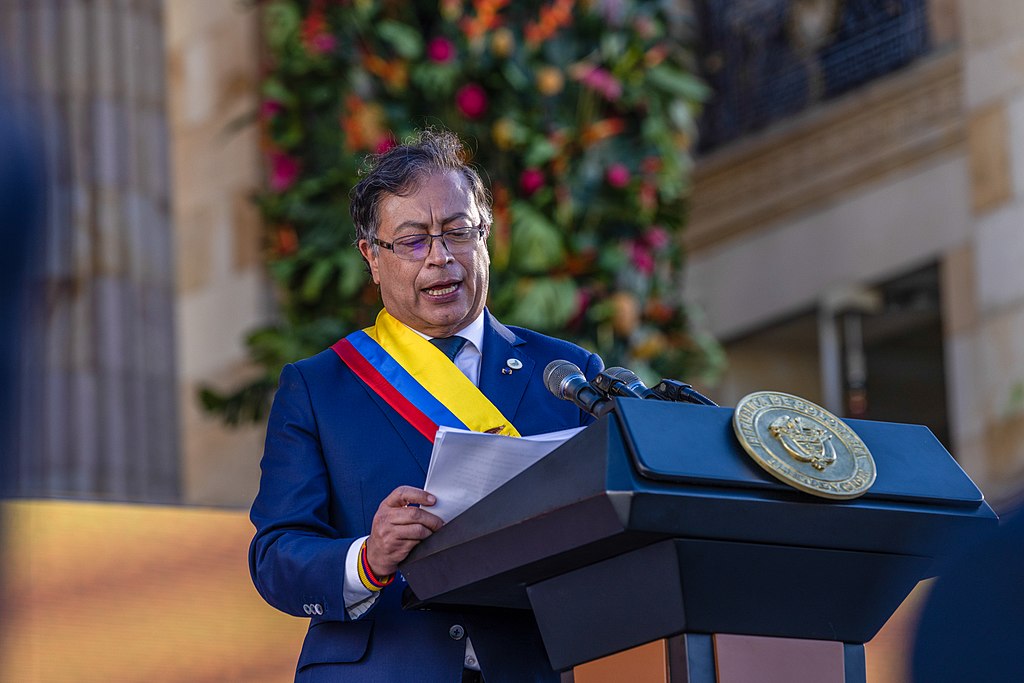
Tensions between Colombia and Ecuador have reached a breaking point after Colombia announced 100% retaliatory tariffs on Ecuadorian imports, intensifying an ongoing trade dispute between two ideologically divided governments. Colombian Trade Minister Diana Morales confirmed the decision, stating that all diplomatic channels had been exhausted and that matching Ecuador's recently imposed duties was now unavoidable.
The conflict traces back to January when Ecuadorian President Daniel Noboa, a close ally of U.S. President Donald Trump, first levied tariffs against Colombia. Noboa cited insufficient cooperation on border security and the continued flow of cocaine across their shared jungle and mountain frontier. Colombia's leftist President Gustavo Petro responded in kind, setting off a cycle of escalating trade penalties that has steadily worsened bilateral relations between the two South American nations.
The economic stakes are significant. Colombia exported approximately $1.8 billion worth of goods to Ecuador in 2025, according to national statistics data. Beyond tariffs, Colombia has already suspended energy exports to Ecuador, a critical supply that the country heavily depends on during dry seasons when hydroelectric output drops. Ecuador also relies on Colombia for essential goods including medicines and agricultural pesticides, making the trade breakdown potentially damaging to everyday Ecuadorians.
Diplomatic relations have deteriorated further following a deadly border incident last month in which 14 people were killed in explosions on Colombian soil during an Ecuadorian security operation. Ecuador denied crossing the border and said it was investigating how its explosives ended up on Colombian territory. In response to ongoing tensions, President Petro recalled Colombia's ambassador to Quito and announced that the next cabinet meeting would be held near the Ecuadorian border, a symbolic gesture underscoring the gravity of the standoff.
With no resolution in sight, the Colombia-Ecuador trade war continues to threaten regional stability and economic cooperation across South America.







