


 US Stock Futures Steady as Oil Prices Surge and Big Tech Earnings Loom
  Chinese Chip Stocks Surge on AI Boom and Domestic Tech Push
  Oil Price Forecasts Rise for 2026 as Middle East Supply Risks Persist
  Trump Skeptical of Iran Hormuz Proposal as Nuclear Talks Stall
  King Charles and Queen Camilla Visit the U.S. Amid Political Tensions and Historic Milestone
  Araqchi Leads Iran’s Diplomatic Push as U.S. Talks and Oil Market Tensions Rise
  BOJ Governor Kazuo Ueda Hints at Rate Hike as Inflation Pressures Build
  Iran Proposes Strait of Hormuz Reopening Deal Amid Stalled U.S. Talks
  DOJ Ends Probe Into Fed Chair Jerome Powell, Boosting Kevin Warsh Confirmation Prospects
  Man Charged in Alleged Trump Assassination Attempt at White House Correspondents’ Dinner
  China Conducts Live-Fire Drills Near Luzon as U.S.-Philippines Balikatan Exercises Expand
  Trump Gala Security Scare: Suspect Arrested After Attempted Attack on U.S. Officials
  US and Iran Clash at UN Over Nuclear Program and NPT Conference Role
  White House Dinner Shooting Sparks Security Concerns and Succession Discussions
  Brazil Pension Fund Crackdown After Banco Master Collapse Raises Investment Concerns
  White House Correspondents’ Dinner Shooting Raises New Security Concerns for U.S. Leaders
  Chip Stocks Rally on AI Optimism as Oil Price Surge Adds Market Tension


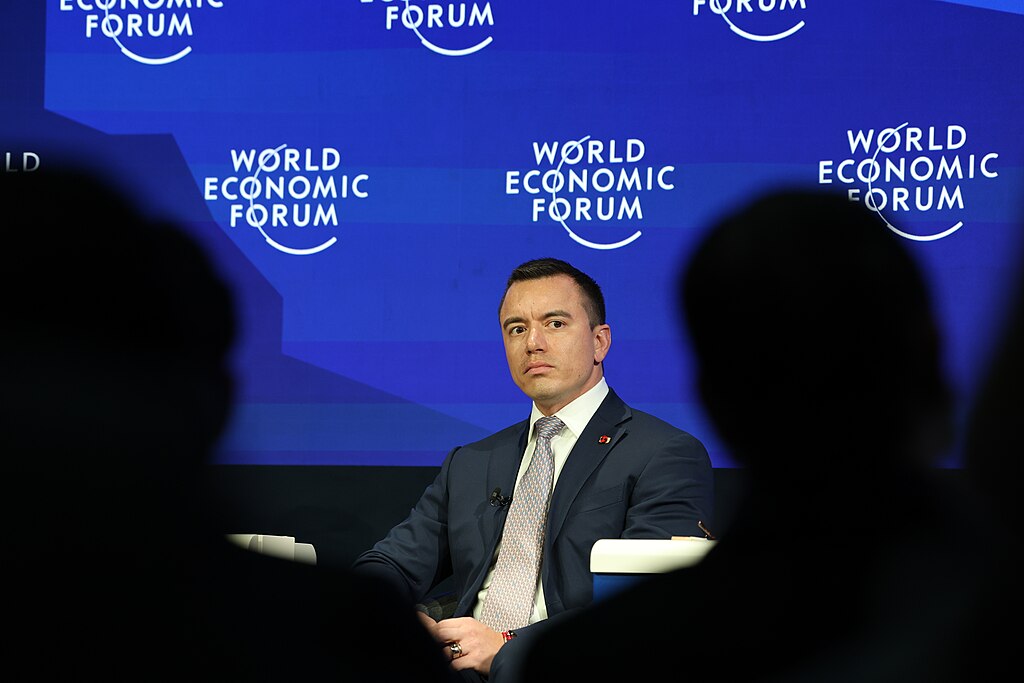
Colombia has announced it will suspend electricity sales to Ecuador and impose a 30% tariff on 20 Ecuadorian products, escalating a growing trade and security dispute between the neighboring countries. The move follows Ecuador’s decision to introduce a 30% “security charge” on Colombian goods starting February 1, a measure President Daniel Noboa said was driven by a widening trade deficit and what he described as insufficient cooperation from Colombia in combating drug trafficking.
Colombia is a key electricity exporter to Ecuador, making the suspension particularly sensitive. While Ecuador later clarified that its security charge would not apply to electricity sales and oil logistics services, tensions continued to rise. In response to Colombia’s tariff announcement, Ecuador’s energy minister said Colombian crude transported through Ecuador’s OCP pipeline would receive “reciprocity” similar to electricity, though no specifics were provided.
Trade data highlights the imbalance at the heart of the dispute. Ecuador recorded a $838 million trade deficit with Colombia in the first 10 months of last year, according to its central bank. Meanwhile, Colombia exported $1.67 billion worth of goods to Ecuador in the first 11 months, representing 3.6% of its total exports. Colombia’s main imports from Ecuador include fish, vegetable oil, and auto parts.
Colombia has strongly denied accusations that it is failing to tackle drug trafficking. President Gustavo Petro stated that cooperation with Ecuador’s armed forces remains strong, noting that Colombia seized 200 metric tons of cocaine along the shared border. He also expressed willingness to expand joint efforts against fentanyl trafficking. Colombia’s commerce ministry described the new tariff as “proportional, transitory and revisable,” emphasizing that Bogotá remains open to dialogue.
Colombia’s energy ministry said the electricity suspension was a preventative measure to ensure domestic supply amid climate variability, adding exports could resume once conditions allow. The decision comes as President Noboa, a close ally of U.S. President Donald Trump, intensifies Ecuador’s crackdown on organized crime, deploying over 10,000 soldiers as murder rates surged 30% last year. The dispute also unfolds against broader U.S. pressure on Colombia over drug trafficking, adding another layer of geopolitical complexity.







