


 What’s the difference between baking powder and baking soda? It’s subtle, but significant
  SpaceX Prioritizes Moon Mission Before Mars as Starship Development Accelerates
  How ongoing deforestation is rooted in colonialism and its management practices
  TSMC Eyes 3nm Chip Production in Japan with $17 Billion Kumamoto Investment
  Debate over H-1B visas shines spotlight on US tech worker shortages
  Nasdaq Proposes Fast-Track Rule to Accelerate Index Inclusion for Major New Listings
  Hims & Hers Halts Compounded Semaglutide Pill After FDA Warning
  Alphabet’s Massive AI Spending Surge Signals Confidence in Google’s Growth Engine
  Every generation thinks they had it the toughest, but for Gen Z, they’re probably right
  As the Black Summer megafires neared, people rallied to save wildlife and domestic animals. But it came at a real cost
  Fungi are among the planet’s most important organisms — yet they continue to be overlooked in conservation strategies
  Ukraine minerals deal: the idea that natural resource extraction can build peace has been around for decades
  Baidu Approves $5 Billion Share Buyback and Plans First-Ever Dividend in 2026
  How to support someone who is grieving: five research-backed strategies


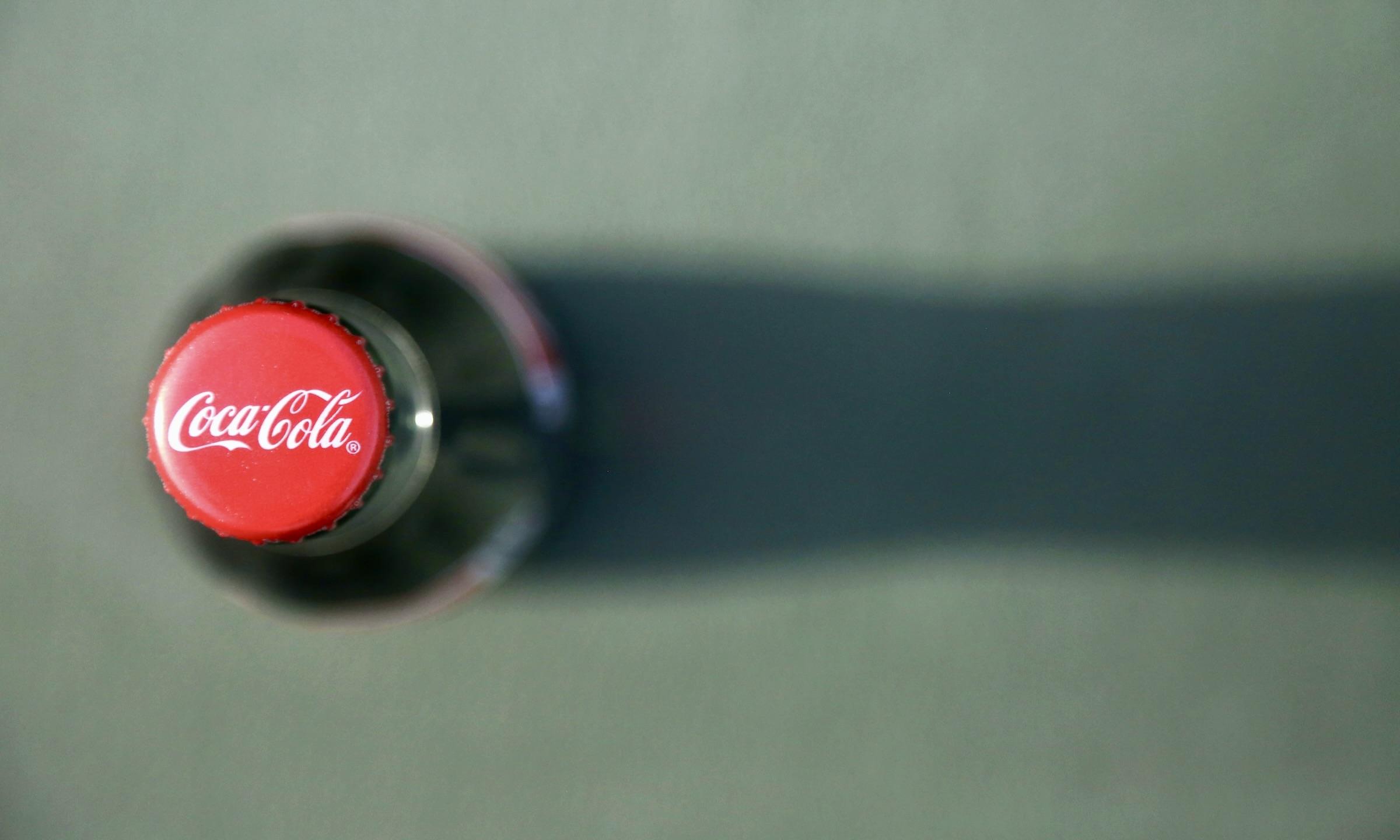
Coca-Cola announces a packaging redesign, attaching bottle caps to its plastic bottles, ensuring complete recyclability in European countries, including the United Kingdom, France, Spain, and others, addressing a key pollution concern.
According to the North Sea Foundation, plastic bottle caps rank among the top five deadliest ocean pollutants. In 30 years, beach cleaning activities have uncovered 20 million bottle caps. These caps significantly threaten sea birds and marine mammals that may ingest them.
While recycling challenges persist, attaching the caps directly to the bottles is expected to reduce the number of unrecycled caps that pollute the ocean. Despite Coca-Cola's claim that all their bottles are 100% recyclable, the caps have not always been included in recycling. This new design change aims to prevent littering and curb the caps' impact on beaches and water sources.
John Woods, the general manager of Coca-Cola Great Britain, expressed his optimism about the impact of this small but crucial change. He stated this is a small change that we hope will have a big impact, ensuring that when consumers recycle our bottles, no cap gets left behind.
The goal aligns with Coca-Cola's commitment to collect and recycle a bottle or can for every one they sell by 2025, contributing towards a World Without Waste. This latest redesign follows previous initiatives aimed at reducing plastic pollution.
In collaboration with Liberty Coca-Cola Beverages, Graphic Packaging eliminated six-pack plastic rings from packaging in the United States. This eco-friendly swap will remove over 34,000 kilograms (75,000 pounds) of plastic packaging from the supply chain annually.
To comply with an EU law specifying that caps and lids remain attached to drinks containers up to 3 liters, Coca-Cola aims to have all bottles in Europe equipped with attached caps by 2024.
Coca-Cola's innovative packaging design change signifies a significant step forward in its sustainable journey. By making recycling easier and reducing the threat of plastic pollution, the company is demonstrating its commitment to creating a greener, cleaner environment for all.
Photo: Giorgio Trovato/Unsplash













