


 Replacing stamp duty with a land tax could save home buyers big money. Here’s how
  Our housing system is broken and the poorest Australians are being hardest hit
  Best Gold Stocks to Buy Now: AABB, GOLD, GDX
  UK Housing Market Slows Amid Tax Hike Concerns
  UK cities need greener new builds – and more of them
  Why you may not be able to get on the housing ladder or buy a bigger home in 2024
  Colorado takes a new – and likely more effective – approach to the housing crisis


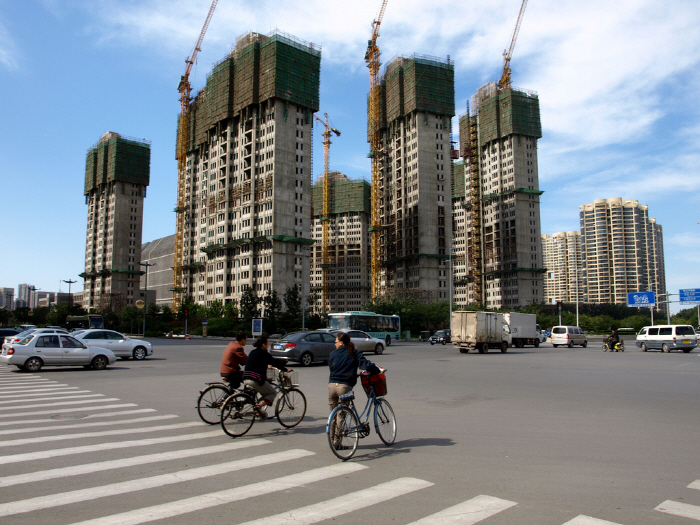
While some observers claim China is heading for another property bubble, the big picture is more complex. There are signs of bubble formation in some cities and excessive inventory in others, but there is solid growth in many.
In major cities like Shenzhen and Shanghai prices shot up by 57% y/y and 21% y/y respectively in February. The down payment for 2nd homes was raised to 40% in Shenzhen and to 50-70% in Shanghai from 30% previously. At the same time, the tax contribution period in these cities for buyers without local residential permits was increased to three years in Shenzhen from one year previously and to five years in Shanghai from two years previously.
The story is very different in the lower-tier cities which are struggling with excessive inventories. While relative growth momentum remains, overcapacity and tougher economic conditions make it challenging to reduce the inventories quickly. Hence in the lower tier cities, there are ongoing efforts to stimulate demand and to wind down the high inventories of unsold homes.
China’s urban differentiation can be understood as a “dual market” – that is, relatively wealthier first-tier megacities and lower-tier cities. What property markets need today are dual market policies that take into account the differences and policy implications.
During the weekend, Shanghai, Shenzhen,Wuhan and Nanjing tightened home purchase policies by varying degrees to rein in surging property prices. Overall, the moves highlight the differentiated approach taken to manage the Chinese property market. The housing market is not much of an issue for the FX market so far. USD-CNY opened slightly higher this morning at 6.5095 despite the lower mid-point fix to 6.50600.







