


 Thomas Mazloum Named Chair of Disney Experiences as Leadership Shakeup Takes Effect
  Domino's Pizza UK Reports 15% Drop in Annual Profit Amid Weak Sales and Rising Costs
  Microsoft Backs Anthropic in Legal Fight Against Pentagon's AI Blacklist
  Dollar Steadies as Traders Await Clarity on U.S.-Israel-Iran War
  RBA Set for Back-to-Back Rate Hikes, Westpac Forecasts
  Chinese AI Stocks Surge as Tencent, MiniMax, and Zhipu Launch Agentic AI Programs
  ANZ and Westpac Forecast Two RBA Rate Hikes in March and May 2026
  Venezuela Names Paula Henao as New Oil Minister Amid U.S.-Led Industry Overhaul
  Bank of Japan Expected to Hold Rates at 0.75% Before June Hike Amid Middle East War Uncertainty
  IEA Plans Record Emergency Oil Release Amid Iran Strait of Hormuz Crisis
  Lockheed Martin Invests $150M in Alabama Missile Production Facility
  U.S. Futures Slide as Oil Prices Surge on Middle East Shipping Attacks
  Nintendo Stock Surges 10% as Pokémon Pokopia Breaks Sales Records
  Big Tech Turns to Debt Markets to Fund AI Infrastructure Boom
  Heinz Wattie's to Close Three New Zealand Plants, Cutting 350 Jobs
  U.S. Solar Market Contracts in 2025 as Trump Rolls Back Renewable Energy Incentives
  UK Regulators Demand Social Media Platforms Strengthen Children's Age Verification


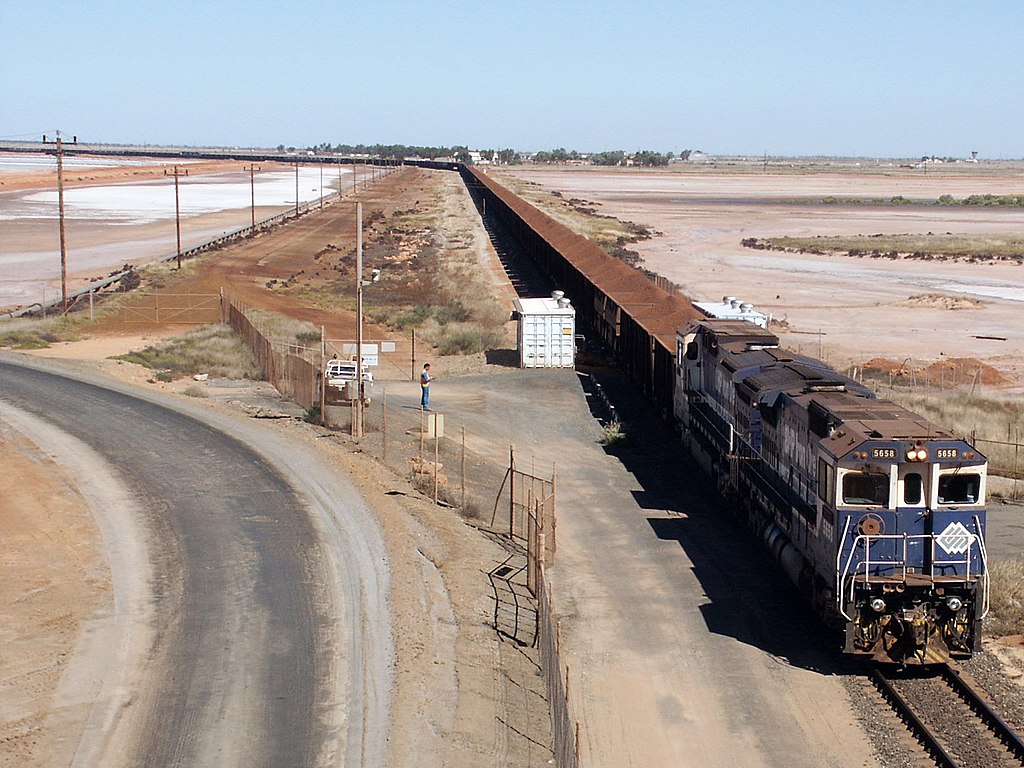
China’s state-backed iron ore buyer, China Mineral Resources Group (CMRG), is intensifying its negotiating tactics against major global miners such as BHP, signaling a tougher stance in the $132 billion seaborne iron ore market. Established in 2022, CMRG was created to leverage China’s position as the world’s largest iron ore importer and secure better prices and contract terms for domestic steel mills that have struggled with thin or negative margins.
In a notable escalation, CMRG recently instructed steel mills and traders to stop purchasing spot cargoes of a second BHP product, months after blacklisting another. This marked the first time multiple products from a single supplier were targeted, underscoring how assertive the three-year-old buyer has become. The negotiations affect a substantial share of BHP’s Australian output and roughly one-fifth of China’s total iron ore demand, making the standoff strategically significant.
Despite these hardball tactics, Reuters interviews suggest CMRG’s success has been mixed. While it has extracted some concessions—such as a $1 per metric ton freight-linked discount from Rio Tinto and exclusive selling rights for Hancock Prospecting’s iron ore in China—many steelmakers privately complain that promised price improvements have not materialized. Some mills report higher procurement costs due to commission fees charged by CMRG, adding pressure during a prolonged property sector downturn.
Still, CMRG has delivered certain benefits, particularly for smaller steelmakers. By acting as an intermediary buyer, it has helped mills without sufficient credit access import iron ore and has increased its activity in the spot market to curb price volatility. The group reportedly aims for a 100 million-ton trading target by 2025, further expanding its influence.
Looking ahead, CMRG’s bargaining power could strengthen significantly with the expected ramp-up of Guinea’s Simandou iron ore project from 2028. Set to add around 7% of global supply, Simandou is projected to create a surplus and weaken Australia’s dominance. With Chinese firms holding major stakes in the project, analysts believe China’s tougher negotiating strategy now could position it well for a structural shift in iron ore market dynamics.













