


 RBA Rate Decision: Deputy Governor Signals Genuine Debate Ahead of March Meeting
  U.S. Solar Market Contracts in 2025 as Trump Rolls Back Renewable Energy Incentives
  Venezuela Names Paula Henao as New Oil Minister Amid U.S.-Led Industry Overhaul
  Nations will release an extra 400 million barrels of oil to the market. All we need to do now is not panic at the pump
  Gold Prices Climb Above $5,200 as Iran War Uncertainty and Inflation Data Loom
  Asia FX Steady as Iran War Signals and U.S. Inflation Data Weigh on Sentiment
  Gold Prices Slip as U.S.-Israel-Iran War Fuels Dollar and Oil Demand
  Dollar Steadies as Traders Await Clarity on U.S.-Israel-Iran War
  Chinese AI Stocks Surge as Tencent, MiniMax, and Zhipu Launch Agentic AI Programs
  U.S. Markets Slip Amid Iran Conflict Uncertainty as Oil Prices Retreat
  IEA Plans Record Emergency Oil Release Amid Iran Strait of Hormuz Crisis
  Oil Prices Surge Toward $100/Barrel After Tanker Attacks in Iraqi Waters
  UK Housing Market Slows Amid Geopolitical Tensions and Mortgage Rate Fears
  Dollar Strengthens Amid Oil Price Surge and Inflation Fears
  China's Trade Surplus Surges Past Forecasts in Early 2026
  ANZ and Westpac Forecast Two RBA Rate Hikes in March and May 2026


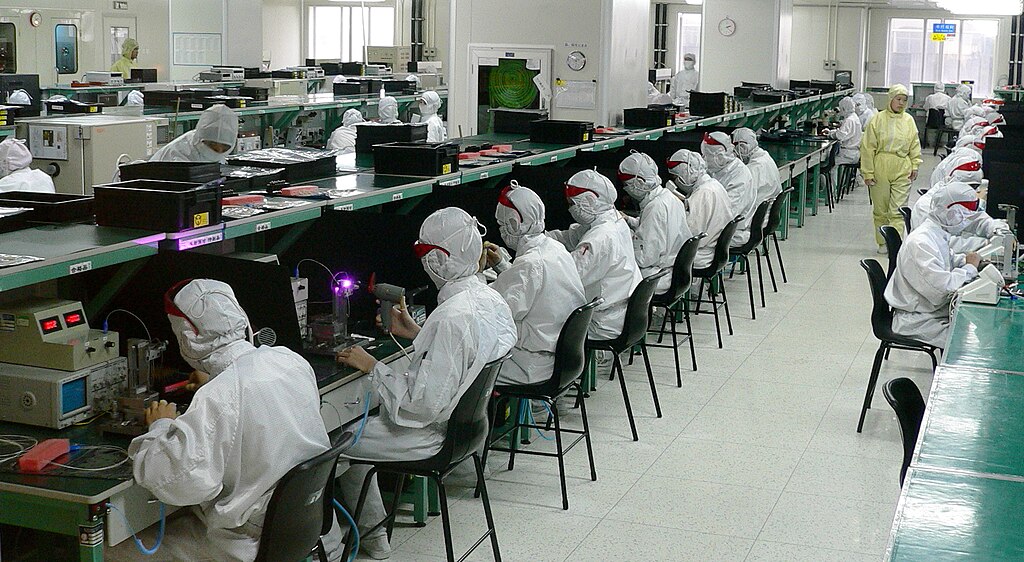
China’s labor market showed modest improvement in December as the youth unemployment rate declined slightly, according to the latest data released by the National Bureau of Statistics (NBS). The jobless rate for people aged 16 to 24, excluding college students, fell to 16.5% in December, down from 16.9% in November. This decrease suggests a gradual easing of employment pressure among younger workers, a group that has faced persistent challenges amid China’s economic slowdown and structural shifts in the labor market.
The improvement was also visible among young adults aged 25 to 29, excluding college students. Unemployment in this segment dropped to 6.9% in December from 7.2% a month earlier, reflecting slightly better hiring conditions for early-career workers. Analysts note that this age group often benefits first from marginal improvements in business activity, as companies cautiously expand hiring for roles requiring some experience but not senior-level expertise.
However, the broader employment picture remains uneven. For workers aged 30 to 59, China’s core working-age population, the unemployment rate edged up to 3.9% in December from 3.8% in November. While the increase is small, it indicates ongoing pressure in traditional industries and slower job creation across sectors such as manufacturing, real estate, and private services. This age group is typically considered more stable in employment, so even a slight rise in joblessness can signal underlying economic stress.
China resumed publishing youth unemployment data last year after revising its statistical methodology to exclude college students, who are not actively seeking full-time employment. This change aimed to provide a clearer picture of labor market conditions for those genuinely participating in the workforce. The youth jobless rate remains significantly higher than the national average, underscoring the structural mismatch between graduates’ skills and available jobs, as well as subdued demand from private enterprises.
Overall, December’s data suggest cautious stabilization rather than a strong recovery. While falling youth unemployment offers some optimism, economists warn that sustained improvement will depend on stronger economic growth, increased private-sector confidence, and targeted policies to support job creation, particularly for young people entering the workforce.













