


 China Factory PMI Seen Returning to Growth in June as AI Export Demand Supports Economy
  China Expands Export Controls, Adds 20 Japanese Companies to Restricted List
  Asian Currencies Stay Range-Bound as Investors Eye China Data, RBNZ Outlook and U.S.-Iran Ceasefire
  Asian Stocks Slip as US-Iran Ceasefire Hopes Lift Oil, Dollar Strength Persists
  Canada Grants C$7 Million to Greenland Molybdenum Mine to Strengthen Critical Minerals Supply
  Gold Prices Drop as Fed Rate Outlook and Iran Tensions Weigh on Market
  Trump Urges Gasoline Retailers to Cut Prices to $2.50 Per Gallon, Warns of Legal Action
  Global Financial Firms Shift Asia Expansion Focus to South Korea as China, India Face Caution
  US Stock Futures Steady as Investors Await Payrolls Data and Monitor Iran Tensions
  Economic pessimism has set in – but there are reasons for Australians to be hopeful
  China Sets 1.25% Overnight Reverse Repo Rate Below Market Expectations
  Oil Prices Rise as US-Iran Tensions Threaten Strait of Hormuz Oil Shipments
  Trump Suspends Some Morocco Fertilizer Tariffs to Ease U.S. Supply Shortage
  Dollar Slips Ahead of Key U.S. Jobs Data as Fed Rate Outlook, ECB, and Iran Talks Shape Forex Markets
  Asian Stocks End Strong Quarter as Dollar Surges, Yen Hits 40-Year Low Ahead of US Jobs Data
  China Manufacturing PMI Edges Higher in June as Exports and AI Investment Boost Growth
  Trump Questions Housing Bill as He Prioritizes SAVE America Act


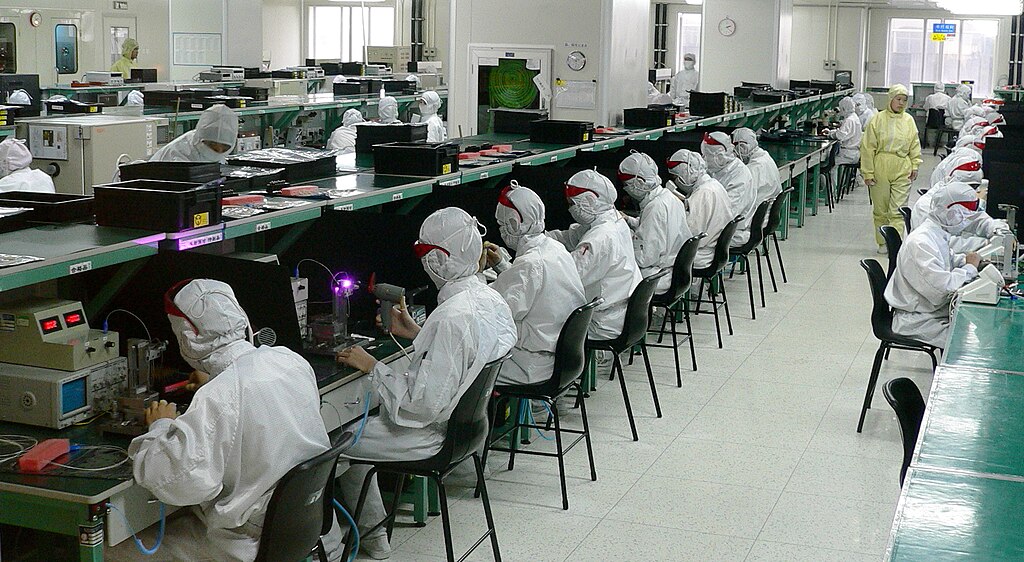
China’s economic growth lost momentum in April 2026 as factory output, retail sales, and investment data all came in below expectations, raising fresh concerns about the country’s fragile recovery and weakening domestic demand.
According to official government figures released Monday, China’s industrial production increased 4.1% year-over-year in April, significantly lower than analysts’ forecasts of 6.0%. The reading also marked a slowdown from the 5.7% growth recorded in March, signaling softer manufacturing activity despite continued export demand.
Retail sales, a key indicator of consumer spending in China, rose just 0.2% compared to the previous year. The figure fell sharply short of expectations for a 2.0% increase and was well below March’s 1.7% gain. The weak consumer spending data highlights ongoing caution among Chinese households as wage growth remains sluggish and deflationary pressures continue to affect the economy.
Meanwhile, fixed-asset investment, which measures spending on infrastructure, property, and other major projects, declined 1.6% year-over-year. Economists had expected a 1.7% increase, making the unexpected drop another sign of slowing economic activity.
Analysts noted that while China’s exports and external demand have provided some support for industrial production, domestic demand remains weak. ING analysts recently stated that most of China’s internal economic indicators continue to show lackluster performance, especially in the retail and property sectors.
The disappointing economic data was released shortly after talks between U.S. President Donald Trump and Chinese President Xi Jinping in Beijing. The leaders discussed trade relations, tariff reductions, and expanded agricultural exports, but the meeting produced few major policy breakthroughs.
Chinese authorities have pledged additional stimulus measures to support economic growth, revive consumer confidence, and stabilize the struggling real estate market. However, economists warn that the ongoing property crisis and weak household sentiment could continue to pressure China’s economy throughout 2026.







