


 Fed’s Hammack Says More Data Needed Before Next Rate Move
  Fed’s Williams Signals One More Rate Hike Before Year-End
  Australia Consumer Confidence Plunges as RBA Rate Hike Hits Households
  BOJ Signals Faster Rate Hikes as Inflation Risks Grow
  RBI Raises Repo Rate to 5.50% in Hawkish Shift on Inflation Risks
  Gold Prices Fall Amid Rate Jitters; Copper Steady as China Stimulus Eyed


 Add as a preferred source on Google
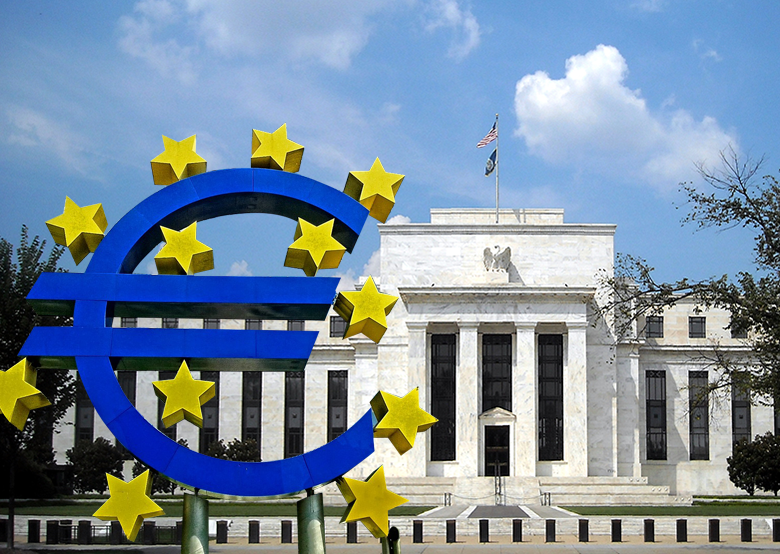
No central bank in the world is currently perceived to be in control of headline inflation and misguided.
"When Draghi says there are "no limits" to what the ECB can do to reinflate the Eurozone, he's playing to the press and investor sentiment, not to the facts," notes DBS Group research.
Headline inflation is being driven by oil prices, which is being driven by surging supplies, not falling demand.
Global petroleum demand grew by about 2% in 2015, up from the 0.7% rise in 2014. Supply, on the other hand, outpaced demand, opening up a 2.5% gap between the two. Inventories is continuing to swell, with Iran re-entry and downward pressure on prices would almost surely persist.
Draghi's promise of "no limits" to what the ECB can do for QE, is only playing to the press, and not to the facts.
Central banks should re-focus their attention core (ex-food and energy) inflation, not headline inflation, added DBS.
"Core inflation in Japan has risen to 0.9% YoY - twice what it was 9 months ago. In Europe, core inflation is up to 1% - again, almost twice as high as 9 months ago (see Chart on next page). In the US, core CPI inflation quietly crossed the 2% mark last month and now (Dec) sits at 2.1%."
Core inflation shows economies are doing better than they were 1 and especially 2 years ago.
"Nothing is on fire and inflation is certainly not a great risk, in our view. But all this talk about preventing falling inflation - headline inflation - seems greatly misguided," added DBS.







