


 Taiwan Mangoes Head to Europe as Premium Fruit Exports Expand
  Apple Sues OpenAI, Former Employees Over Alleged Trade Secret Theft
  UBS Starts CarTrade Tech With Buy Rating, Sees Strong Earnings Growth and ₹4,000 Target
  Muji Owner Ryohin Keikaku Stock Soars After Raising Full-Year Earnings Forecast
  Stellantis Q2 Vehicle Shipments Rise 10% as North America Drives Growth
  SK Hynix Soars 13% in Nasdaq Debut After Record $26.5 Billion IPO
  Kitron Q2 Revenue Beats Estimates as Defense Demand Lifts Growth
  Samsung to Launch First Yongin Chip Plant by 2029 as South Korea Speeds Up Semiconductor Hub
  Elon Musk Says Anthropic Leads AI Race as Claude Models Challenge OpenAI
  Deutsche Bank Fined A$2 Million by ASIC Over OTC Derivatives Reporting Errors
  Australia Flags Child Safety Gaps at Apple, Meta, Google Over Online Sexual Extortion
  SoftBank Corp Partners With Sierra to Expand AI Customer Support Across Japan
  Morgan Stanley Says China’s Reusable Rocket Progress Poses Long-Term Challenge to SpaceX
  DBS Targets S$1 Trillion Wealth AUM by 2030 Amid Asia Wealth Boom
  Genesis Minerals to Acquire Vault in A$5.6 Billion Deal After Regis Withdraws
  DOJ Grand Jury Investigates UAW President Shawn Fain Ahead of Union Election
  Paramount-Warner Bros. Discovery Merger Faces Lawsuit From 12 States


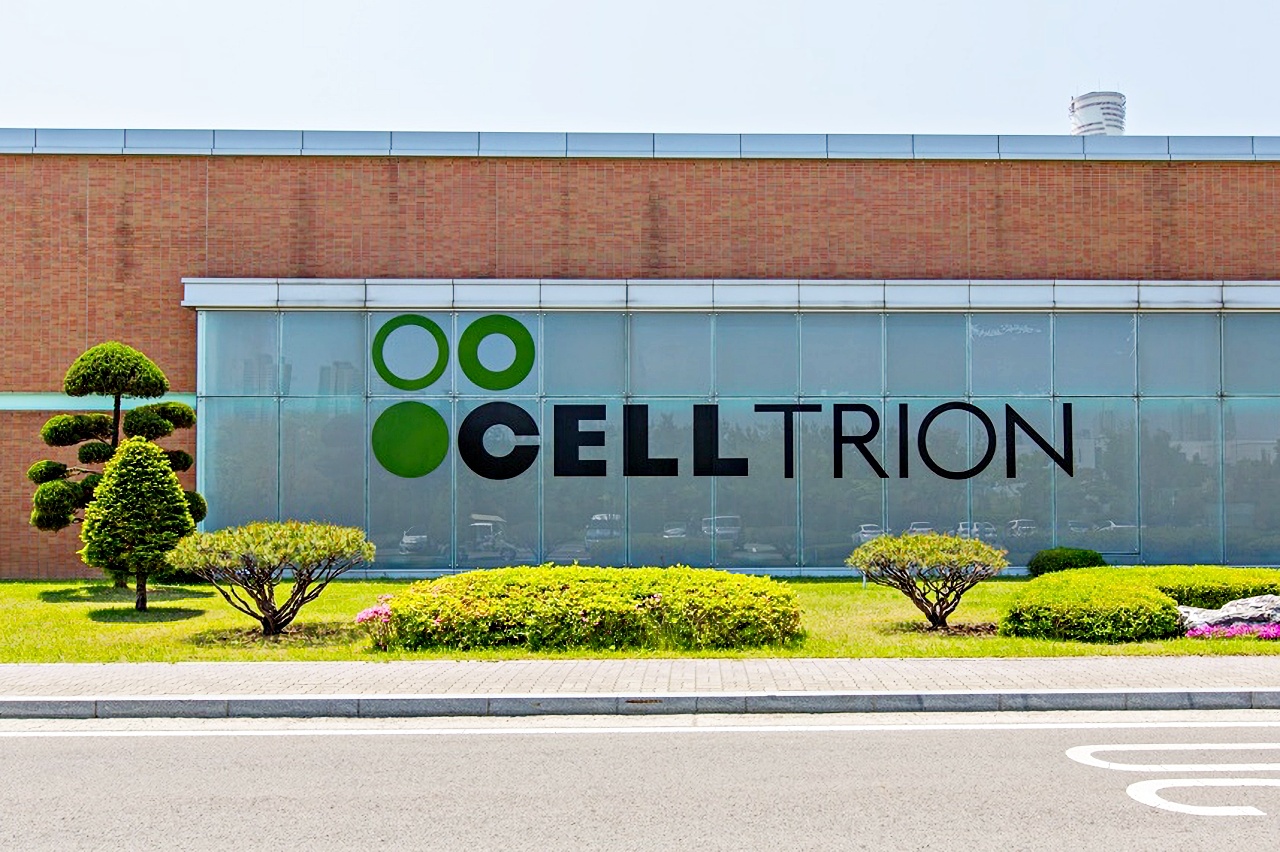
South Korean biopharmaceutical leader Celltrion has announced plans to invest up to 700 billion Korean won (approximately $478 million) to expand manufacturing capacity at its U.S. facility. The company’s decision comes amid increasing demand for its biosimilar products in the American market and the growing impact of U.S. tariffs on overseas pharmaceutical production. By enhancing its U.S. operations, Celltrion aims to strengthen supply chain stability, reduce tariff-related costs, and meet rising expectations for locally produced biopharmaceuticals.
The planned expansion underscores Celltrion’s strategy to secure a stronger foothold in the world’s largest pharmaceutical market. As demand for biosimilars continues to rise—driven by the need for more affordable alternatives to high-cost biologics—Celltrion is positioning itself to respond rapidly to market growth and competitive pressures. Investing directly in U.S.-based infrastructure allows the company to increase production volume, improve delivery timelines, and better navigate shifting trade policies that affect internationally produced medical products.
According to Celltrion, the additional funding will support upgrades to existing manufacturing lines as well as the construction of new facilities designed to scale up output of key biosimilars. This includes treatments used in oncology, autoimmune disorders, and other major therapeutic areas where the company has established a global presence. By expanding its operational capacity, Celltrion aims to solidify long-term partnerships with U.S. healthcare providers and distributors, ensuring a more reliable supply of critical medicines.
The investment also aligns with broader industry trends, as pharmaceutical companies increasingly diversify production to minimize risks related to tariffs, supply chain disruptions, and regulatory changes. For Celltrion, strengthening its U.S. production base not only enhances competitiveness but also supports its ambition to become a dominant global player in biopharmaceutical manufacturing.
With this significant commitment, Celltrion is signaling confidence in the continued growth of the American biosimilar market and its ability to meet rising demand with high-quality, cost-effective treatments manufactured closer to end consumers.







