


 New York Moves to Ban Masked Law Enforcement During Immigration Operations
  US to Withdraw 5,000 Troops from Germany Amid Growing Rift with European Allies
  Maersk Q1 Earnings Beat Expectations as Iran Conflict Clouds Shipping Outlook
  Panama Defends Port Takeover Amid U.S.-China Tensions and Canal Dispute
  Lufthansa Q1 Loss Narrows as Strong Summer Travel Demand Boosts Outlook
  Novo Nordisk Raises 2026 Outlook on Strong Wegovy Demand
  Trump Administration Dismisses Entire National Science Board, Sparking Debate Over Scientific Independence
  Medicare to Cover GLP-1 Weight-Loss and Diabetes Drugs Starting July 1
  Nike Tariff Refund Lawsuit Sparks Consumer Backlash Over Price Increases
  Judge Delays SEC Settlement With Elon Musk Over Twitter Stock Disclosure Case
  US Adds European Union to Section 301 Watchlist Amid Trade Concerns
  US Sanctions Target Iran’s Shadow Banking Network and Terror Financing
  AWS Data Center Overheating Disrupts Cloud Services in Northern Virginia
  CDC Monitors U.S. Travelers After Hantavirus Outbreak on Luxury Cruise Ship
  US House Advances $70 Billion Immigration Enforcement Budget Plan
  Infineon Raises 2026 Outlook as AI Data Center Chip Demand Surges


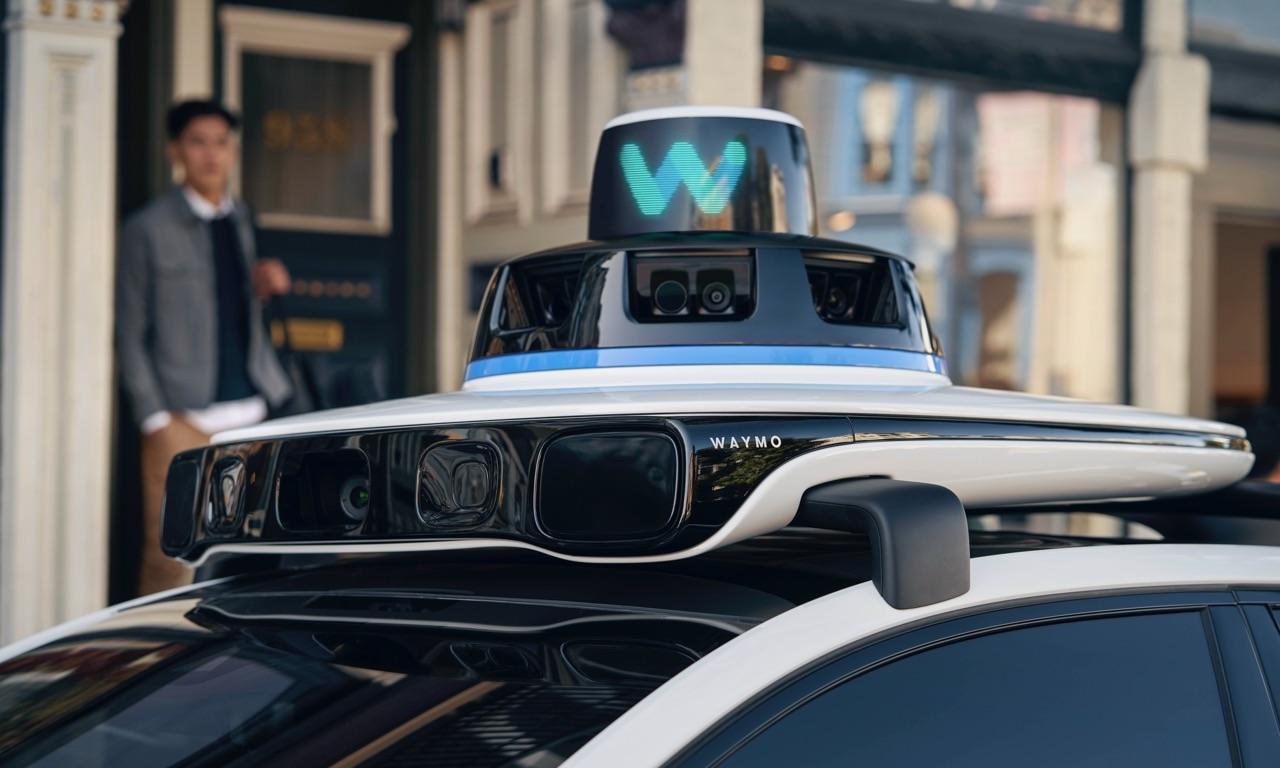
A major power outage in San Francisco has prompted scrutiny from California regulators after multiple autonomous vehicles operated by Alphabet’s Waymo stalled on city streets, disrupting traffic and raising fresh concerns about the reliability of robotaxi services during emergencies. The incident occurred Saturday following a fire at a Pacific Gas & Electric (PG&E) substation that knocked out electricity to roughly one-third of the city, impacting an estimated 130,000 residents and forcing some businesses to temporarily close.
As traffic signals across affected neighborhoods stopped functioning, numerous Waymo robotaxis were seen halted at intersections with hazard lights activated. Videos circulating on social media showed vehicles remaining stationary for extended periods, contributing to traffic congestion and gridlock in parts of San Francisco. In response, Waymo paused its ride-hailing operations Saturday evening as the outage unfolded, resuming service in the San Francisco Bay Area on Sunday after conditions stabilized.
The California Public Utilities Commission (CPUC), which regulates commercial robotaxi operations alongside the California Department of Motor Vehicles, confirmed it is reviewing the incidents involving Waymo vehicles. A CPUC spokesperson told Reuters the agency was aware of the outage-related stalling and was examining the situation, though specific details of the review were not disclosed. Waymo did not immediately comment on the regulator’s statement.
Waymo later explained that its fully autonomous driving system is programmed to treat non-functional traffic signals as four-way stops. However, the company acknowledged that the widespread nature of the power outage led to situations where vehicles remained stopped longer than expected. A spokesperson said Waymo is incorporating lessons learned from the disruption and remains committed to improving how its technology adapts to unusual traffic conditions.
The episode underscores broader challenges facing the commercialization of autonomous vehicles, including high development costs, complex regulations, and heightened scrutiny following past collisions that forced several companies to scale back or shut down operations. Despite these hurdles, robotaxis have returned to the spotlight as Waymo accelerates expansion across major U.S. cities and Tesla rolls out its own self-driving taxi service in Austin, Texas.







