


 Burgum Defends Free Speech as Patriot Front July 4 March Sparks Debate
  DOJ Orders Crackdown on Birth Tourism After Supreme Court Upholds Birthright Citizenship
  US Supreme Court Strikes Down Hawaii Gun Carry Law on Private Property
  Texas Man Charged After Fatal Tesla Full Self-Driving Crash in Katy
  Sara Duterte Impeachment Trial Opens, Putting 2028 Philippine Election in Focus
  Khamenei Funeral Draws Massive Crowds as Iran’s New Supreme Leader Remains Absent
  US Appeals Court Limits ICE Detention Without Bond Hearings After 90 Days
  Air Force Investigates Officer After Capitol Protest Calling for Trump, Vance Impeachment
  Trump Marks America’s 250th Anniversary With National Mall Rally Amid Political Divide
  Colombia Opens New Investigation Into Former President Álvaro Uribe Over Paramilitary Allegations
  Fortescue Faces Class Action Over Sexual Harassment Claims at Australian Mining Sites
  HSBC Australia Faces A$35M Penalty Over Scam Protection Failures
  UN Rights Council Launches Sudan Probe Over RSF Violence in al-Obeid
  DOJ Clears Paramount Skydance-Warner Bros. Discovery Merger Without Conditions
  China Submarine Missile Test Sparks Concern Across Asia-Pacific
  FIFA Suspends Balogun Ban, Clears U.S. Striker for Belgium World Cup Clash


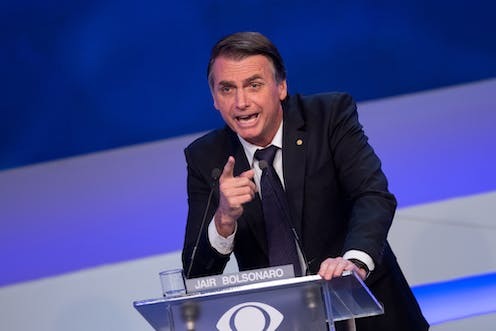
Brazil’s Supreme Court has finalized a landmark decision ordering former President Jair Bolsonaro to begin serving a 27-year prison sentence for orchestrating a coup plot against his successor, President Luiz Inácio Lula da Silva. The ruling marks one of the most significant moments in modern Brazilian politics, concluding years of controversy surrounding Bolsonaro’s polarizing presidency and post-election actions.
The court’s decision came after a four-member panel reaffirmed its earlier rejection of Bolsonaro’s appeal. Justice Alexandre de Moraes directed that Bolsonaro be held at the Federal Police Superintendency in Brasília, where he has remained since Saturday for tampering with his ankle monitor in a separate case. The conviction follows his September sentencing for attempting to overturn the results of the 2022 election, which he lost to Lula.
Bolsonaro’s legal team criticized the court for “rushing” the conclusion of the case, insisting more time was needed for appeals. Despite the final ruling, his lawyers say they will continue seeking avenues to challenge the judgment.
Bolsonaro’s downfall marks a dramatic shift for a leader who once dominated Brazil’s political landscape with hard-right rhetoric, military nostalgia, and a divisive governing style. Since leaving office, he has faced mounting legal troubles, been barred from running for public office, and even lost support from former ally Donald Trump, who has recently stepped back from defending him.
Bolsonaro’s family has publicly discussed his deteriorating emotional state. His son Eduardo described the legal actions as “psychological torture,” while Carlos Bolsonaro said his father appeared “emotionally destroyed” during a visit. Yet Bolsonaro continues to insist he will return to politics, though internal divisions among Brazilian conservatives raise doubts about his influence moving into the 2026 election.
While support for Bolsonaro has waned, his closest allies claim he remains a powerful figure. Senator Damares Alves said Bolsonaro’s current condition reflects long-standing health concerns rather than political weakness.
The ruling represents a defining moment for Brazilian democracy, emphasizing accountability at the highest level of power and signaling the end of an era shaped by Bolsonaro’s turbulent leadership.







