


 Mastercard Explores Sale of Majority Stake in UK Payments Firm Vocalink: Report
  Oppenheimer Sees CNH Industrial as Top 2026 Agriculture Stock Pick on Dealer Consolidation Strategy
  OpenAI Executive Fidji Simo to Step Down Amid Health Challenges Ahead of IPO
  Genesis Minerals to Acquire Vault in A$5.6 Billion Deal After Regis Withdraws
  Nvidia Tightens AI Chip Sales in Asia With Stricter Customer Approval Process
  Paramount-Warner Bros. Discovery Merger Faces Lawsuit From 12 States
  Nippon Paint Reportedly Offers Up to €7.5 Billion for Akzo Nobel Decorative Paints Business
  Kitron Q2 Revenue Beats Estimates as Defense Demand Lifts Growth
  UBS Starts CarTrade Tech With Buy Rating, Sees Strong Earnings Growth and ₹4,000 Target
  Levi Strauss Raises 2026 Outlook After Q2 Earnings Beat, Shares Drop Despite Strong Results
  SoftBank Corp Partners With Sierra to Expand AI Customer Support Across Japan
  Samsung to Launch First Yongin Chip Plant by 2029 as South Korea Speeds Up Semiconductor Hub
  Samsung Chairman Lee Jae-yong Expected to Meet Nvidia CEO Jensen Huang on AI and Chip Partnership
  Morgan Stanley Names Marks & Spencer Top European Retail Pick, Sees Strong Upside
  TSMC Q2 Revenue Surges 36% as AI Chip Demand Powers Growth Ahead of Earnings
  Yaskawa Electric Shares Slide as Weak Profit Overshadows Strong AI Demand
  Elon Musk Says Anthropic Leads AI Race as Claude Models Challenge OpenAI


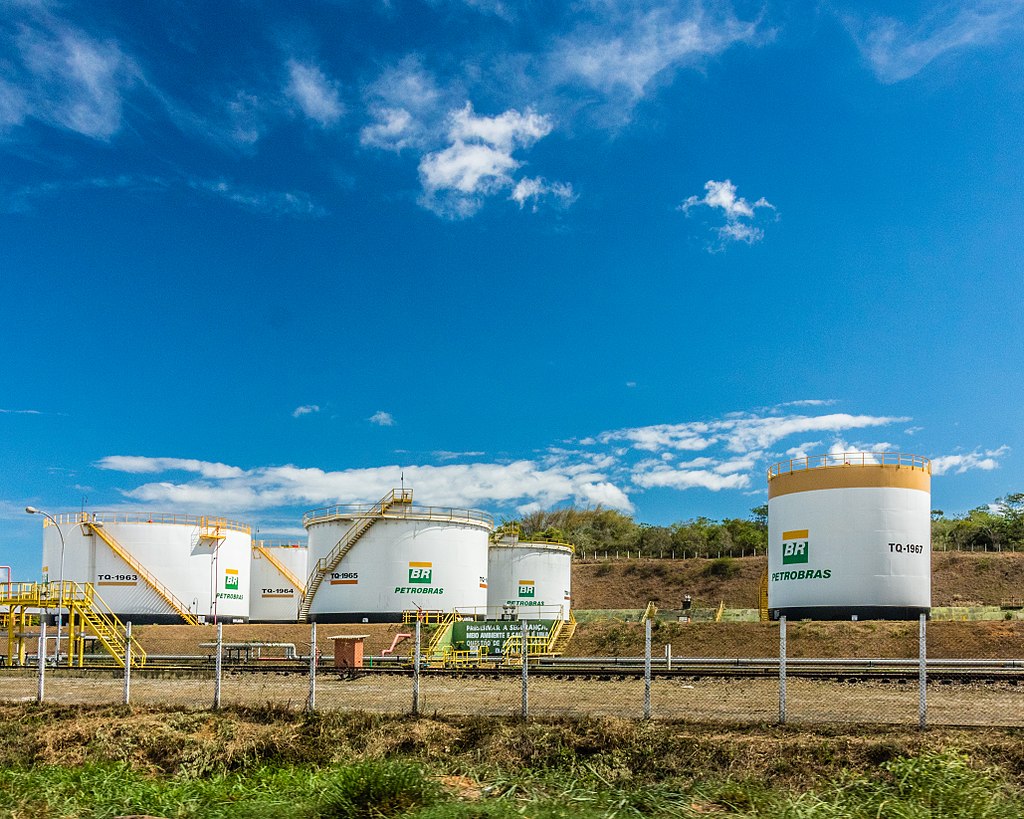
A major Brazilian oil workers’ strike is set to continue after Sindipetro-NF, one of the largest unions representing employees of state-run oil company Petrobras, rejected the company’s latest proposal to end the labor action. The strike, which has already lasted 12 days, highlights ongoing tensions between Petrobras and its workforce over pension-related disputes and labor conditions.
Sindipetro-NF represents around 25,000 oil industry workers, including a significant number employed on Petrobras’ offshore oil platforms in the Campos Basin. The Campos Basin is Brazil’s second-largest oil-producing region, making the union’s stance particularly important for the country’s energy sector. In a statement released on Friday, Sindipetro-NF confirmed it had voted against the proposal presented by Petrobras, despite other unions showing willingness to end the strike.
Petrobras stated that the strike has not yet affected oil and gas production. According to the company, contingency crews have been deployed to maintain operations and ensure output remains stable. This has allowed Petrobras to continue meeting production targets even as labor unrest persists across parts of its operations.
Sindipetro-NF is the largest union affiliated with FUP, the main umbrella organization representing oil workers in Brazil. Although FUP’s board approved Petrobras’ proposal, the final decision required approval from individual unions and their members. While all other 13 unions under FUP voted to accept the deal and end the strike, Sindipetro-NF’s rejection means protests will continue at some Petrobras facilities.
Not all unions representing Petrobras workers are part of FUP. Another umbrella organization, FNP, has also taken a firm stance by voting to continue the strike and advising its affiliated unions to do the same. This division among labor groups increases the likelihood of a prolonged dispute.
Sources familiar with the situation told Reuters that the conflict could drag on, as it involves complex issues related to Petrobras’ pension funds and deductions applied to payments made to pensioners. These long-standing concerns have been a key driver behind the strike, raising uncertainty for Petrobras, its workers, and Brazil’s broader oil and energy industry.







