


 US, China Extend Trade Truce to Jan. 10 Ahead of Trump-Xi Summit
  US Stock Futures Fall as Treasury Yields Surge Ahead of Trump-Xi Summit
  LA fires: Long-term exposure to wildfire smoke is poorly understood − and a growing risk
  NASA Cuts Boeing Starliner Missions as SpaceX Pulls Ahead
  How is Antarctica melting, exactly? Crucial details are beginning to come into focus
  Trump and Merck KGaA Partner to Slash IVF Drug Costs and Expand Fertility Coverage
  Australia Unemployment Hits Five-Year High Despite Strong Jobs Growth
  SpaceX Delays Starship V3 Launch Ahead of Potential Record IPO
  SpaceX Prioritizes Moon Mission Before Mars as Starship Development Accelerates
  Fed Unveils Stablecoin Rules Under GENIUS Act
  Trump Administration Releases New UFO Files and Apollo Mission Records
  How to create a thriving forest, not box-checking ‘tree cover’
  Oil Prices Ease as Iran Tensions Clash With Diplomacy Hopes


 Add as a preferred source on Google
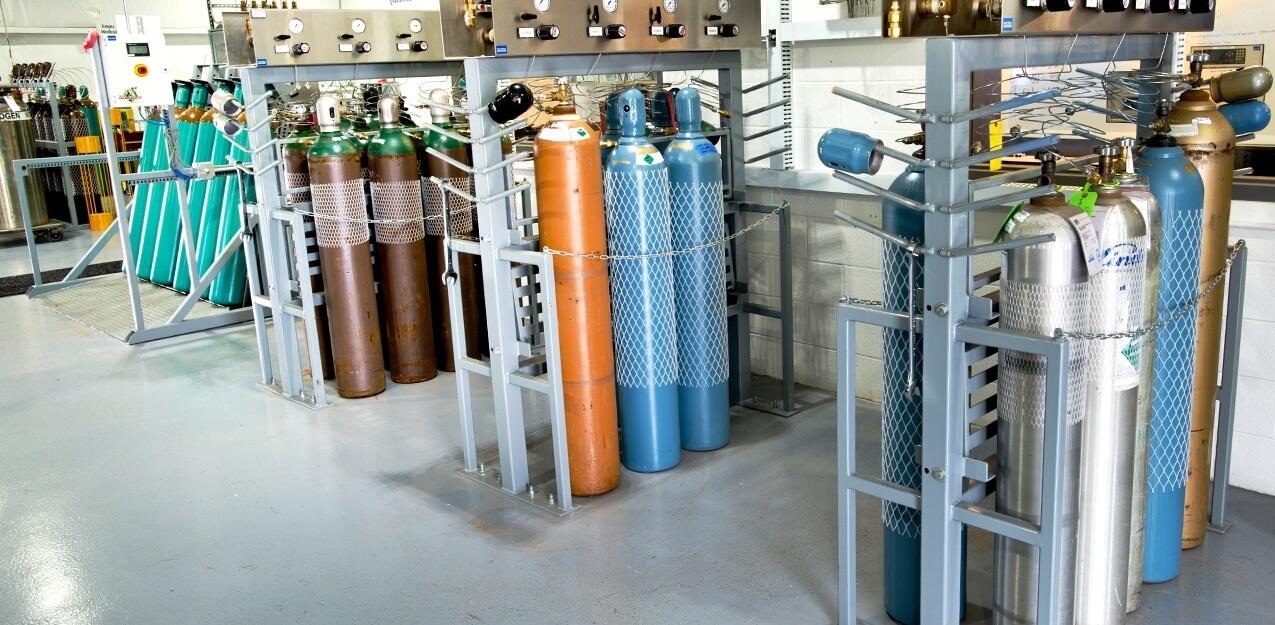
A South Korean research team has developed a catalyst and processing technology that converts carbon dioxide (CO2) into carbon monoxide (CO), an industrial gas.
Carbon monoxide is used in metal fabrication, electronics, and in the production of acids, ester, alcohol, metal carbonyls, and pharmaceuticals.
The joint research team from the Korea Institute of Science and Technology and Seoul National University developed a nickel monoatomic catalyst as the metal works more efficiently if developed to a monoatomic form,
By using the nickel monoatomic catalyst, a transformative reaction is made available even in a gas state.
Under the existing method, a high purity carbon dioxide gas is used as a reaction material, thereby limiting the scope of applications in industrial areas.
Also, carbon monoxide is generated by melting carbon dioxide in the water and subjecting it to an electrochemical reaction.
The research team discovered that carbon monoxide production can be increased up to 93 percent even with carbon dioxide at a low concentration of 10 percent of the exhaust gas level.







