


 Wistron Opens $700M Texas AI Factory to Build Nvidia Superchips in U.S.
  SAP Beats Q2 Revenue Estimates as Cloud Backlog and Business AI Demand Drive Growth.
  Alaska Air Q3 Outlook Misses Estimates as Higher Fuel Costs Weigh on Profit Forecast
  IBM Q2 Earnings Miss Estimates as Software Growth Offsets Infrastructure Weakness
  Samsung Eyes Up to $1.14 Billion Investment in AI Startup Mistral
  European Stocks Slip as Earnings, UK Inflation and ECB Decision Keep Investors on Edge
  Coca-Cola Raises Diet Coke Prices in India as Iran Conflict Disrupts Can Supply
  Super Micro Computer Stock Jumps 20% After Record AI Orders and Margin Surge
  Alphabet Q2 Earnings Beat Estimates as AI Spending, Google Cloud Growth Fuel Outlook
  Trump Threatens Iran With 'Major Military Punishment' as Red Sea Attacks Push Oil Above $100
  Elon Musk Fuels SpaceX-Tesla Merger Speculation After Earnings Call
  Trump Administration Monitors OpenAI Incident as Lawmakers Push AI Kill Switch Bill
  Japan Yen Slides Past 163 as Middle East Tensions Lift US Dollar, Oil Prices
  Pakistan Seeks $10 Billion U.S. Exchange Stabilization Fund to Boost Forex Reserves
  Oracle Stock Rises After Winning Up to $6.99 Billion U.S. Defense Software Contract
  Wistron Opens $700M Texas AI Factory to Build Nvidia GB300 Superchips


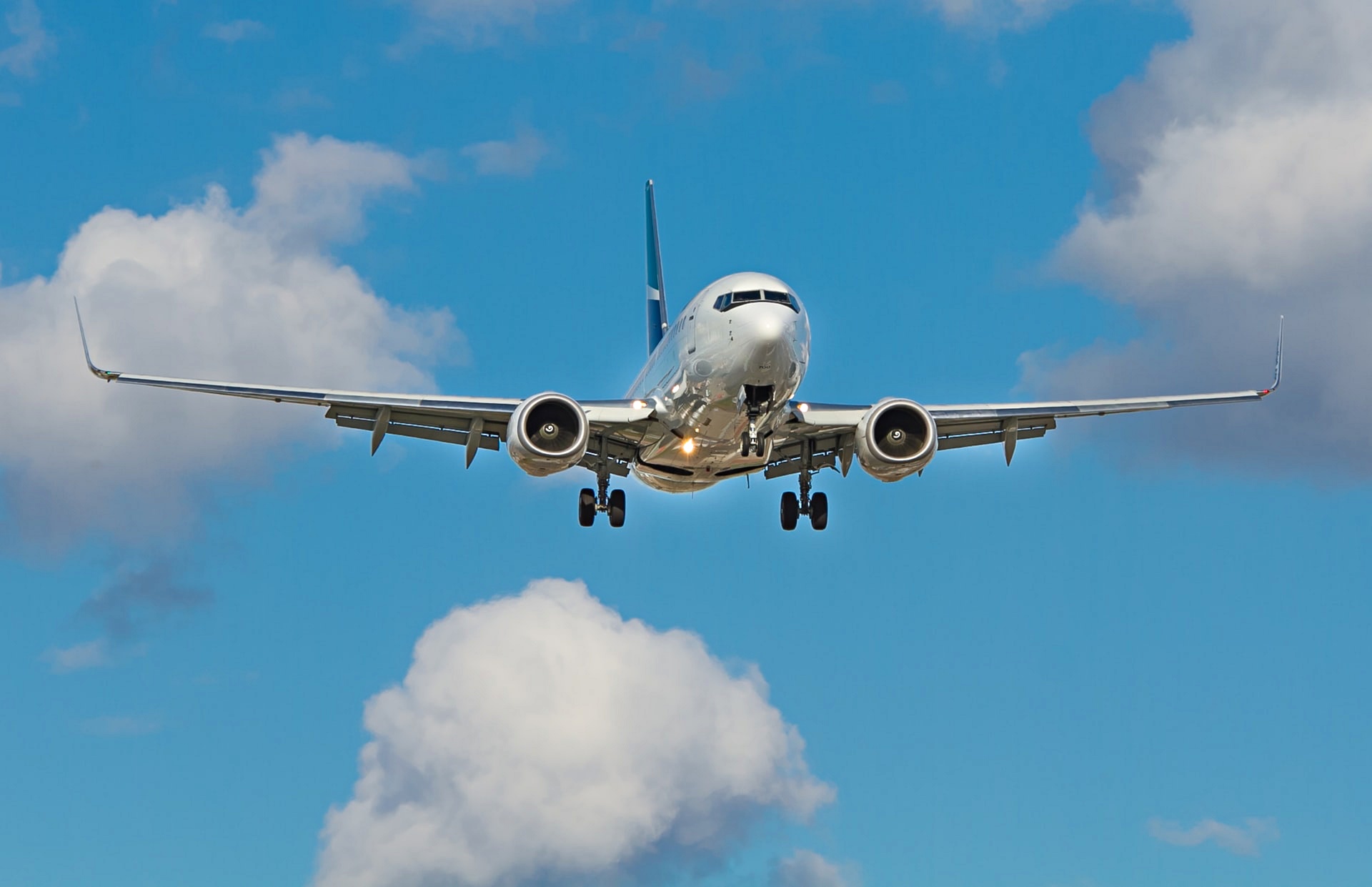
Boeing Co. reportedly expressed disappointment when three major Chinese state-owned airlines decided to buy airplane units from Airbus.
In response to the new jet orders placed by the airlines for Airbus, the American aircraft manufacturer commented late last week that "As a top U.S. exporter with a 50-year relationship with China's aviation industry, it is disappointing that geopolitical differences continue to constrain U.S. aircraft exports."
According to Reuters, Boeing has continued to push for a dialogue between the China and U.S. governments since some political issues are also affecting businesses, including theirs. There is an ongoing US-China "trade war," and Boeing sees this as a big hindrance to securing deals with the Chinese.
Moreover, Airbus SE, a European planemaker, is Boeing Co.'s biggest rival in the industry, so the latter was upset when Airbus won a deal with the biggest Chinese air carriers. Boeing could have secured the deal, but it is blaming the U.S. trade war with China for hurting its business opportunities.
Bloomberg reported that the deal is for Airbus SE to supply 292 planes to the state-owned Chinese airlines. The contract is said to be worth $37 billion, and this is said to show that Boeing's current standing in one of the largest travel markets is now uncertain.
Boeing and Airbus were said to have held endless talks for aircraft orders that would furnish and eventually increase China's domestic fleet in this period. However, while the latter is successful in sealing a multi-billion deal for an almost 300 plane order, the former can just watch on the sidelines as the contract is revealed.
"We continue to urge a productive dialogue between the governments given the mutual economic benefits of a thriving aviation industry," Boeing's spokesman said in a statement. "Boeing aircraft sales to China historically support tens of thousands of American jobs, and we are hopeful orders and deliveries will resume promptly."
Meanwhile, the number of units for this latest order is said to be double of what Airbus was able to originally secure from the Chinese airlines in March 2019. An analyst at Bloomberg Intelligence, George Ferguson, said the deal is "China sending a sign, and it hurts Boeing terribly."







