


 Kitron Q2 Revenue Beats Estimates as Defense Demand Lifts Growth
  Fast Retailing Raises Full-Year Forecast After Uniqlo Owner Beats Q3 Profit Estimates
  SK Hynix Shares Drop After Strong Nasdaq Debut Despite $26 Billion ADR Listing
  Levi Strauss Raises 2026 Outlook After Q2 Earnings Beat, Shares Drop Despite Strong Results
  AstraZeneca Shares Sink After Wainua Trial Misses Key Heart Disease Goal
  Mastercard Explores Sale of Majority Stake in UK Payments Firm Vocalink: Report
  Nippon Paint Reportedly Offers Up to €7.5 Billion for Akzo Nobel Decorative Paints Business
  Genesis Minerals to Acquire Vault in A$5.6 Billion Deal After Regis Withdraws
  Muji Owner Ryohin Keikaku Stock Soars After Raising Full-Year Earnings Forecast
  Samsung to Launch First Yongin Chip Plant by 2029 as South Korea Speeds Up Semiconductor Hub
  SK Hynix Soars 13% in Nasdaq Debut After Record $26.5 Billion IPO
  UBS Starts CarTrade Tech With Buy Rating, Sees Strong Earnings Growth and ₹4,000 Target
  Nvidia Tightens AI Chip Sales in Asia With Stricter Customer Approval Process
  SK Hynix Prices Record U.S. ADR Offering at $149 After $200 Billion Investor Demand
  Australia Flags Child Safety Gaps at Apple, Meta, Google Over Online Sexual Extortion
  DOJ Grand Jury Investigates UAW President Shawn Fain Ahead of Union Election
  SoftBank Corp Partners With Sierra to Expand AI Customer Support Across Japan


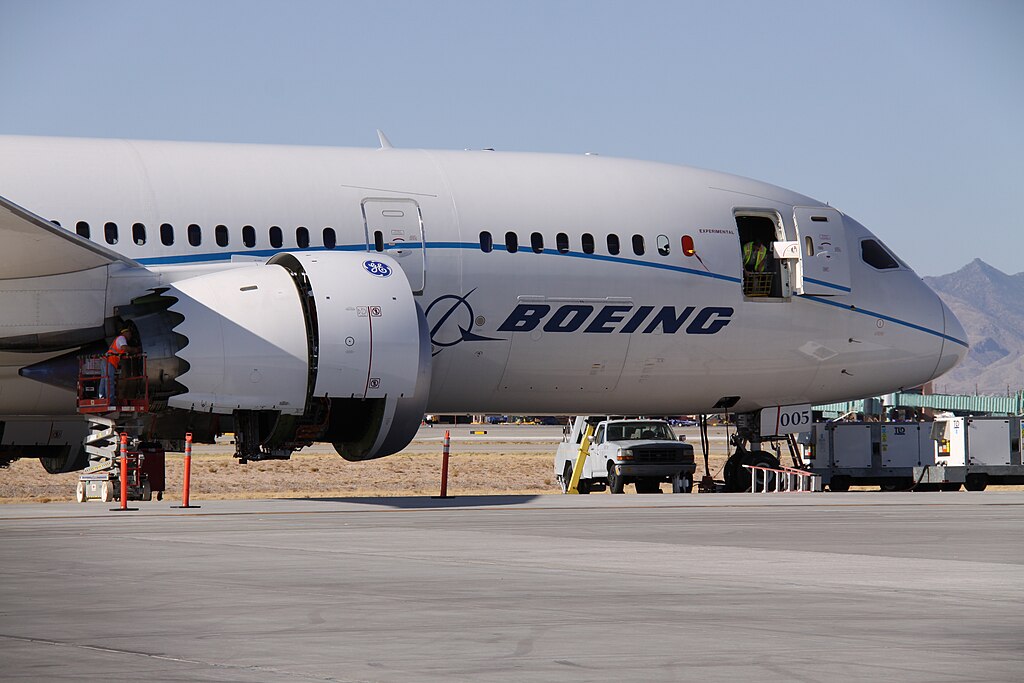
Boeing Defense Systems has secured a major $2.04 billion task order from the U.S. Department of Defense to advance the B-52 Commercial Engine Replacement Program (CERP), reinforcing the long-term modernization of the U.S. Air Force’s iconic strategic bomber. The contract was announced Tuesday and represents a significant milestone in upgrading the B-52 fleet to ensure continued operational effectiveness for decades to come.
The task order focuses on post–Critical Design Review development activities for the B-52 engine replacement effort. Under the agreement, Boeing will be responsible for extensive system integration work and the modification of two B-52 aircraft to accommodate new engines and associated subsystems. These upgrades are designed to improve fuel efficiency, reliability, and maintainability while reducing long-term operating costs for the Air Force.
Work on the B-52 CERP contract will be carried out across several key U.S. locations, including Oklahoma City, Oklahoma; San Antonio, Texas; Seattle, Washington; and Indianapolis, Indiana. This multi-site execution highlights Boeing’s broad industrial footprint and collaboration with government and industry partners nationwide. The project is scheduled for completion by May 31, 2033, underscoring the long-term nature of the B-52 modernization program.
Initial funding for the contract includes $35.77 million in Fiscal Year 2026 research, development, test, and evaluation funds. These funds will support early-phase engineering, integration, and testing activities critical to advancing the program toward full implementation. Tinker Air Force Base in Oklahoma is serving as the contracting activity, reflecting its central role in sustaining and modernizing the B-52 fleet.
The contract is officially designated under contract number FA8628-19-D-1000/FA8107-26-F-B001. With this award, Boeing continues to strengthen its position as a key defense contractor supporting U.S. Air Force modernization priorities. The B-52 Commercial Engine Replacement Program is expected to extend the bomber’s service life well into the future, ensuring it remains a cornerstone of U.S. strategic airpower in an evolving global security environment.







