


 White House Withdraws Trump’s National Park Service Nominee Amid Criticism
  China Conducts Live-Fire Drills Near Luzon as U.S.-Philippines Balikatan Exercises Expand
  US Envoy Urges Taiwan to Approve Defense Budget Amid Rising China Tensions
  Iran Proposes Strait of Hormuz Reopening Deal Amid Stalled U.S. Talks
  Erdogan Condemns White House Correspondents’ Dinner Shooting, Voices Support for Trump
  US and Iran Clash at UN Over Nuclear Program and NPT Conference Role
  Trump Administration Dismisses Entire National Science Board, Sparking Debate Over Scientific Independence
  U.S. Budget Airlines Seek $2.5 Billion Government Aid Amid Rising Jet Fuel Costs
  U.S. and EU Strengthen Critical Minerals Partnership to Reduce China Dependence
  US-Iran Tensions Rise as Nuclear Talks Stall and Strait of Hormuz Crisis Deepens
  King Charles Addresses U.S. Congress, Emphasizes UK-US Alliance Amid Political Tensions
  Republican Lawmakers Urge National Guard Role for World Cup Drone Security
  U.S. Warns Allies Over Alleged Chinese AI IP Theft Linked to DeepSeek
  Araqchi Leads Iran’s Diplomatic Push as U.S. Talks and Oil Market Tensions Rise
  Man Charged in Alleged Trump Assassination Attempt at White House Correspondents’ Dinner
  White House Dinner Shooting Sparks Security Concerns and Succession Discussions
  King Charles and Queen Camilla Visit the U.S. Amid Political Tensions and Historic Milestone


Thousands of Australians marked Australia Day on Monday by attending large-scale “Invasion Day” rallies across major cities, showing support for Indigenous Australians and calling for unity amid growing political and social tensions. At the same time, separate anti-immigration protests drew hundreds of participants, underscoring the sharp divide surrounding January 26 and broader national issues.
Australia Day commemorates the arrival of British ships in Sydney Cove in 1788, which led to the establishment of New South Wales as a penal colony. For many Indigenous Australians, who represent around 4% of the country’s 27 million population, the date symbolizes the beginning of colonization, cultural destruction, and long-standing injustices. As a result, the day is widely referred to as “Invasion Day” by Aboriginal and Torres Strait Islander communities and their supporters.
In Sydney’s Hyde Park, the annual Invasion Day rally began at 10 a.m. with a tribute to victims of a recent shooting in a rural New South Wales town. Indigenous speakers addressed key issues such as land repatriation, deaths of Aboriginal people in police custody, and the importance of solidarity in the face of rising nationalism. Concerns were also raised about the growing influence of Pauline Hanson’s right-wing One Nation party and increasing political polarization.
Australia, where one in two residents is either born overseas or has at least one parent born overseas, has experienced record-high immigration levels in recent years. While immigration has contributed significantly to economic growth, it has also fueled voter discontent due to rising living costs and a severe housing shortage. Aboriginal elder Gwenda Stanley emphasized the shared struggles of Indigenous people and immigrants, calling for unity and condemning anti-immigrant rhetoric.
Nearby, anti-immigration protesters gathered at noon under the banner of March for Australia, an organization criticized for alleged links to extremist groups. Similar rallies and counter-protests were held nationwide. Despite annual calls to change the date of Australia Day, a recent Sydney Morning Herald survey showed record support for keeping the holiday on January 26.
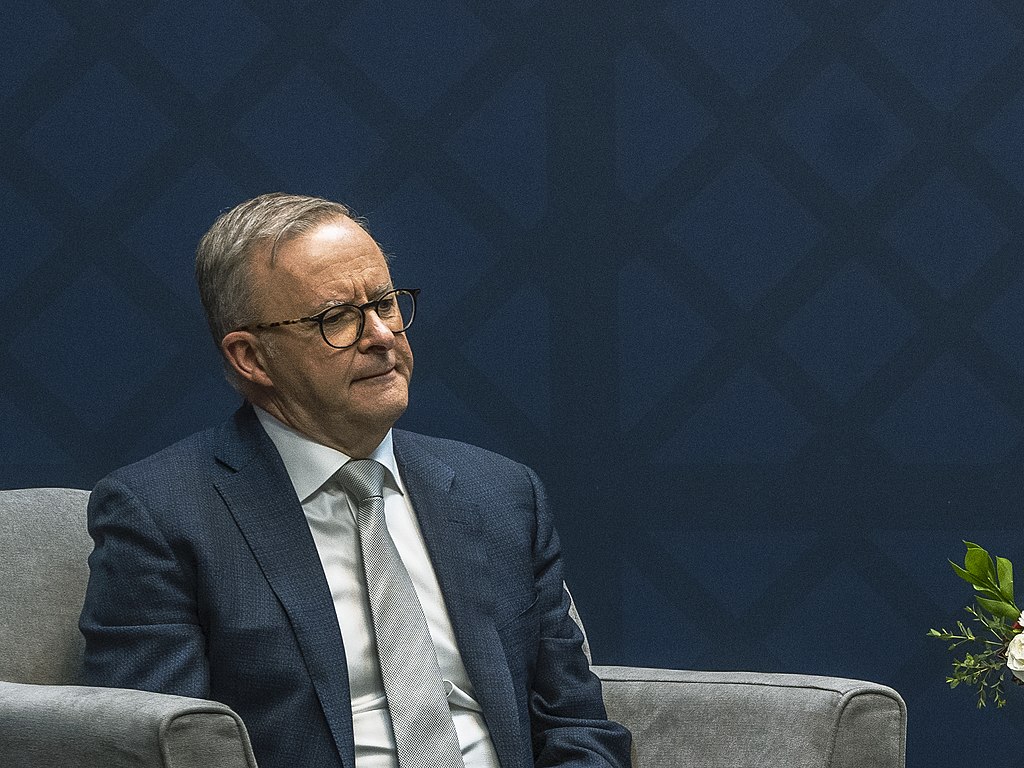
Prime Minister Anthony Albanese, speaking at an Australia Day citizenship ceremony, urged Australians to choose unity over division, reflecting the ongoing national debate over identity, history, and reconciliation.







