


 Oil Prices Slip as U.S.-Iran Peace Talks and Strait of Hormuz Risks Keep Markets on Edge
  US Stock Futures Steady as Investors Await Payrolls Data and Monitor Iran Tensions
  Canada Grants C$7 Million to Greenland Molybdenum Mine to Strengthen Critical Minerals Supply
  Asian Stocks End Strong Quarter as Dollar Surges, Yen Hits 40-Year Low Ahead of US Jobs Data
  Oil Prices Rise as US-Iran Tensions Threaten Strait of Hormuz Oil Shipments
  China Factory PMI Seen Returning to Growth in June as AI Export Demand Supports Economy
  Gold Price Ends Lower for Fourth Week Despite Rebound as Fed Rate Hike Bets Strengthen
  China Manufacturing PMI Edges Higher in June as Exports and AI Investment Boost Growth
  China Sets 1.25% Overnight Reverse Repo Rate Below Market Expectations
  Trump Urges Gasoline Retailers to Cut Prices to $2.50 Per Gallon, Warns of Legal Action
  World Bank Approves $1.1 Billion Emergency Funding for Bangladesh Amid Food and Energy Price Pressures
  Gold Price Falls as Fed Rate Hike Fears and U.S.-Iran Tensions Weigh on Bullion
  US Dollar Slips After PCE Inflation Data as Fed Rate Hike Expectations Stay Elevated
  Japan Targets 1%+ Real Economic Growth With ¥370 Trillion Investment Plan
  Gold Price Hits Annual Low as Fed Rate Hike Bets and Sticky Inflation Weigh on Bullion
  Dollar Slips Ahead of Key U.S. Jobs Data as Fed Rate Outlook, ECB, and Iran Talks Shape Forex Markets


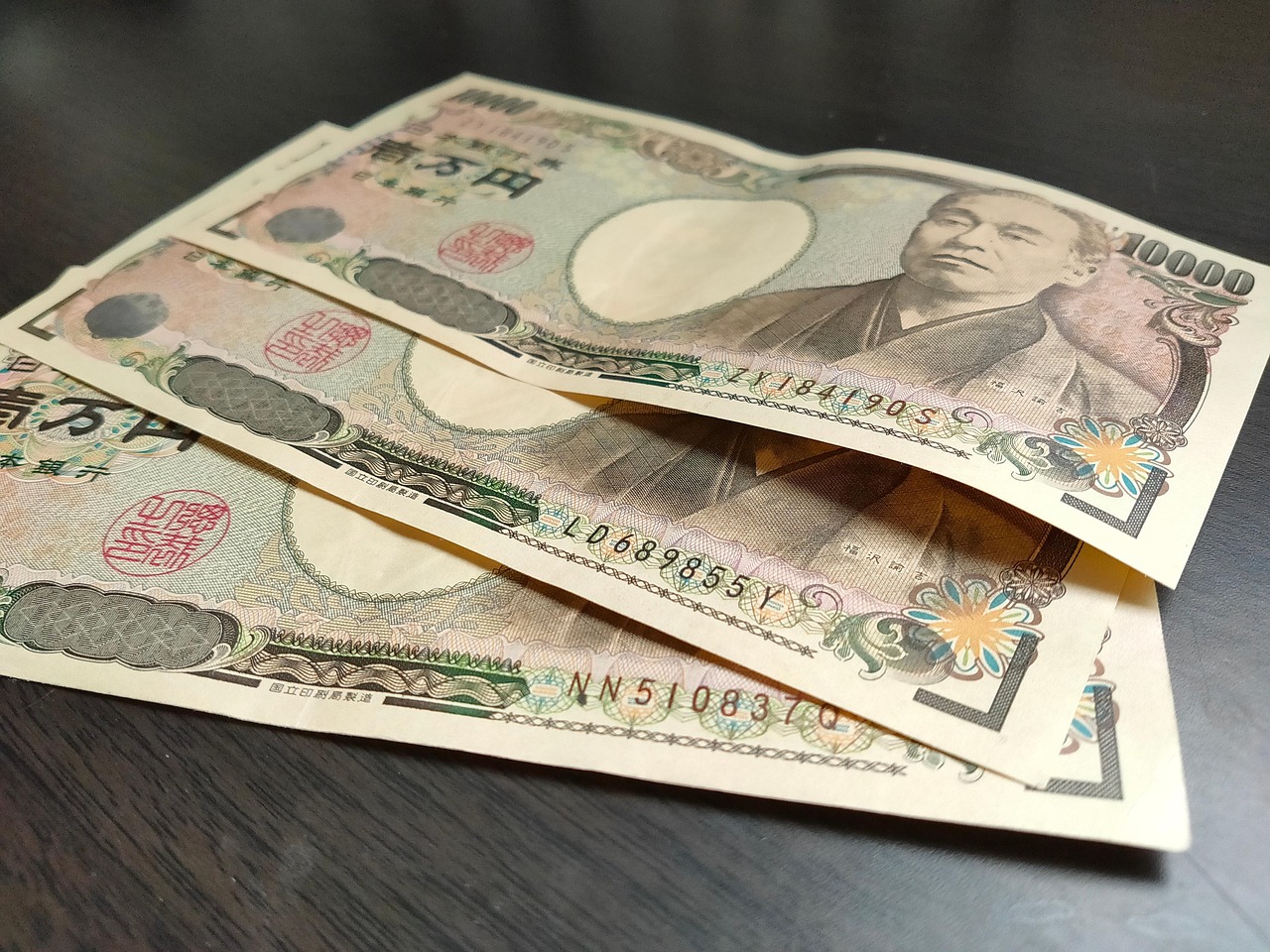
Asian currencies traded within narrow ranges on Monday as investors closely monitored ongoing geopolitical tensions in the Middle East and rising inflation risks that could keep U.S. interest rates higher for longer. The U.S. Dollar Index (DXY) edged up 0.1% to hover near the 99 level after recording losses in the previous week, reflecting cautious market sentiment.
Foreign exchange markets remained focused on stalled negotiations between the United States and Iran. Although reports suggested both countries were discussing extending a temporary truce and reopening key shipping routes through the Strait of Hormuz, significant disagreements remain unresolved. Any potential agreement would also require approval from U.S. President Donald Trump, adding further uncertainty to the outlook.
At the same time, Israel expanded military operations in Lebanon targeting the Iran-backed Hezbollah group. The escalation renewed concerns about broader regional instability, prompting a rebound in crude oil prices. Higher oil prices have intensified worries about inflation, influencing expectations for global central bank policies.
Across Asia, most currency movements were modest. The Japanese yen weakened slightly, with USD/JPY rising 0.1%. The Singapore dollar also softened, pushing USD/SGD up 0.1%. The South Korean won stood out, with USD/KRW climbing 0.6%, making it one of the region’s weaker performers.
According to ING analysts, the won’s weakness is linked to the strong rally in South Korean equities. As foreign investors increase their exposure to Korean assets, portfolio rebalancing has led to reduced holdings of domestic stocks, contributing to pressure on the currency.
Elsewhere, the Indian rupee strengthened modestly, with USD/INR falling 0.2%, while the Australian dollar remained largely unchanged. China’s yuan was also stable, as investors assessed mixed economic data. Official figures showed China’s manufacturing PMI slipped, indicating weak factory activity amid soft domestic demand and rising costs. However, the non-manufacturing PMI improved, signaling resilience in the services sector.
Markets are increasingly focused on inflation risks following recent gains in oil prices. Expectations for Federal Reserve rate cuts have been scaled back, with some analysts now considering the possibility of additional rate hikes if energy-driven inflation continues to accelerate.
Investors will closely watch upcoming U.S. economic releases, particularly Friday’s nonfarm payrolls report, for clues about the Federal Reserve’s next policy move. Market participants are also awaiting comments from Fed officials and policy decisions from major Asian central banks, including the Bank of Japan and the Reserve Bank of India.
As global economic uncertainty persists, currency markets are expected to remain sensitive to geopolitical developments, inflation trends, and central bank guidance throughout 2026.







