


 Asian Stocks Mixed as Korean Chipmakers Rally
  Fitch Eyes Japan Budget for Fiscal Discipline
  Asian Stocks Mixed as AI Chip Rally Meets Oil Surge
  TSMC August Revenue Jumps 53% on AI Chip Demand
  Canada Retaliatory Tariffs on U.S. Goods Take Effect
  Elon Musk’s Boring Company Raises $3 Billion at $23 Billion Valuation
  Longsys Raises $903 Million in Hong Kong IPO as Shares Debut Flat
  China Buys 1 Million Tons of U.S. Soybeans Ahead of Xi Visit
  China Exports Surge 25% in August as Trade Surplus Hits $119 Billion
  OpenAI Targets Specialized Industries as Enterprise AI Demand Grows
  Asian Currencies Steady as Yen Holds Firm, Oil Tops $100
  Trump Threatens Bombardier U.S. Sales Ban
  Gold Prices Steady Ahead of U.S. Inflation Data and Fed Decision
  Gold Prices Rebound as Dollar Weakens, Fed Decision Looms
  Oil Prices Rally as Brent Nears $100 on U.S.-Iran Escalation
  Apple Unveils $1,999 Foldable iPhone Duo
  Brent Oil Tops $100 as Middle East Conflict Threatens Supply


 Add as a preferred source on Google
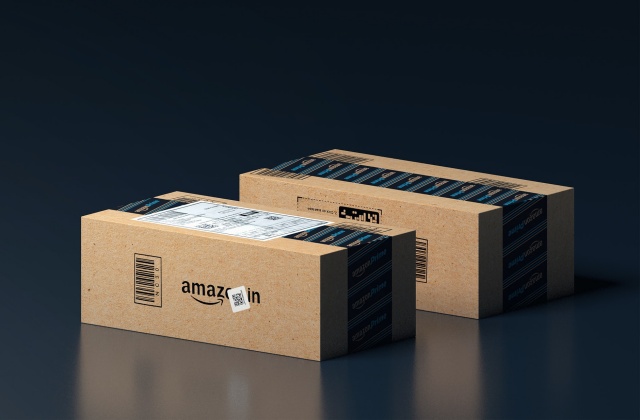
Amazon announced on Wednesday, April 14, that it would be adding a 5% fuel and inflation surcharge to the fees it charges third-party sellers who use the company’s fulfillment services.
The new fees are to be officially implemented on April 28. Amazon said it hiked up the seller fees to offset rising costs. The company also noted that the fees are still “subject to change” and will apply to apparel and non-apparel merchandise.
The Associated Press further reported that the latest increase in fee follows the hike that was announced in November and took effect in January this year. While Jeff Bezos’ e-commerce company did not immediately respond to inquiries related to its recent move, a notice that was sent to the sellers stated that costs had gone up since the COVID-19 pandemic started.
Amazon mentioned its costs have mainly increased due to wage hikes, construction of new warehouses, and recruitment of new workers. But then, the company said it is also trying to keep the fees down by absorbing costs as much as it could and whenever possible.
It was explained that it only expanded the fees to deal with permanent costs and remain competitive with rivals such as UPS and FedEx, which have also added fuel surcharges already. In recent data that was released by officials, inflation showed an increase of 8.5% last month and this was the fastest pace in over 40 years. This has also affected gas prices which have surged 48% in the last 12 months.
"In 2022, we expected a return to normalcy as Covid-19 restrictions around the world eased, but fuel and inflation have presented further challenges," Amazon wrote in a memo that was provided to CNN Business. "It is unclear if these inflationary costs will go up or down, or for how long they will persist, so rather than a permanent fee change."
Now, while Amazon is saying inflation and the rising cost of fuel was to be blamed for its new surcharge, Stacy Mitchell, the co-director of the Institute for Local Self-Reliance, an anti-monopoly group, said they believe the company is only taking advantage of the current situation.
“Amazon keeps increasing its fees on the sellers that have to depend on its platform,” she said. “The new fees are a way to take more money out of the pockets of independent businesses and put it into Amazon’s coffers.”







